Choosing the right signage is a critical decision for any business. It's your first handshake with potential customers, setting their expectations and guiding them to your door. Two of the most common options are blade signs and traditional flat signage. While both serve the same fundamental purpose, they differ significantly in design, functionality, and impact.
This article provides a comprehensive comparison to help you understand the nuances of each and determine which type is better suited for your business environment.
AGC Signs possesses unmatched expertise in blade sign and traditional signage options. Contact us today to discuss what’s best for your business.
Key Takeaways
Traditional Signage anchors the building’s identity and is best for destination/distance visibility.
Blade Signs are designed to capture pedestrian flow in busy, high-density areas.
Density vs. Distance: If your customers walk past your door (urban/downtown), go with a blade sign. If they drive to your door (freestanding/plazas), prioritize flat signage.
Permitting Matters: Blade signs face stricter projection rules. Check local ordinances first.
The Power of Both: Many effective storefront designs combine a large fascia sign for distance with a projecting blade sign for sidewalk visibility.
1. Understanding Blade Signs
A blade sign, also known as a projecting sign or a flag sign, is mounted perpendicularly to the building facade.
Unlike flat signs that sit flush against the wall, blade signs extend outwards, capturing the attention of people walking or driving parallel to the building.
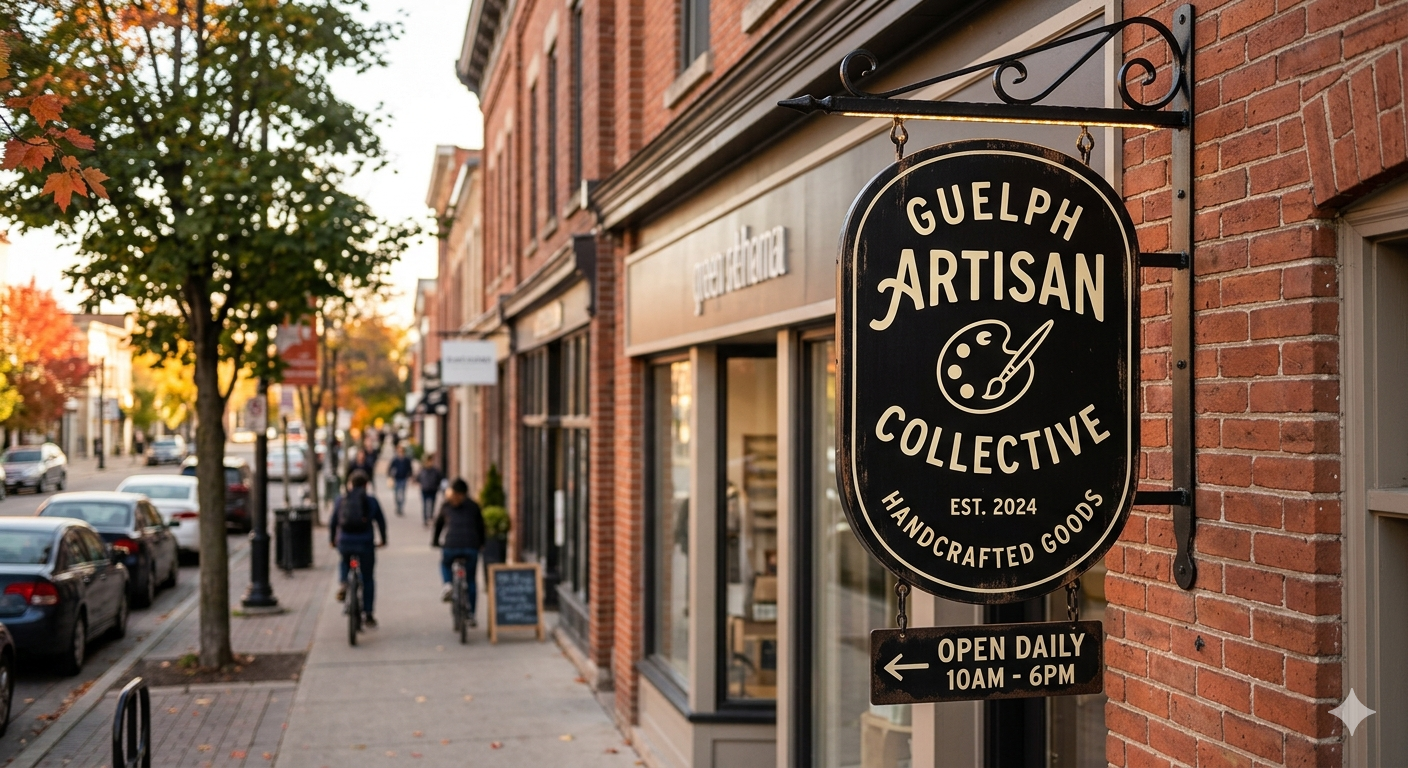
They can be single- or double-sided, often illuminated, and come in various shapes and materials. Their defining feature is their extension beyond the building line, maximizing exposure from different angles.
Where are Blade Signs Most Effective?
Busy Pedestrian Areas: Sidewalks, pedestrian malls, and high-foot-traffic streets are ideal for blade signs. They literally meet customers where they are looking.
Narrow Streets: In older or denser areas with narrow sidewalks, a flat sign may be missed entirely by pedestrians walking right past it.
Competing Businesses: When several storefronts are side-by-side, projecting signs differentiate each location and prevent them from blending in.
2. Understanding Traditional Signage
What are Traditional Signs?
Traditional flat signage refers to signs mounted parallel and flush to the building's exterior. This broad category includes:
Fascia Signs: The main sign above the entrance often spans the width of the storefront.
Awnings and Canopies: Can serve as signage while providing shelter.
Window Graphics: Decals or letters directly on the glass.
Wall Murals or Plaques: Large-scale branding painted directly or mounted on the wall.
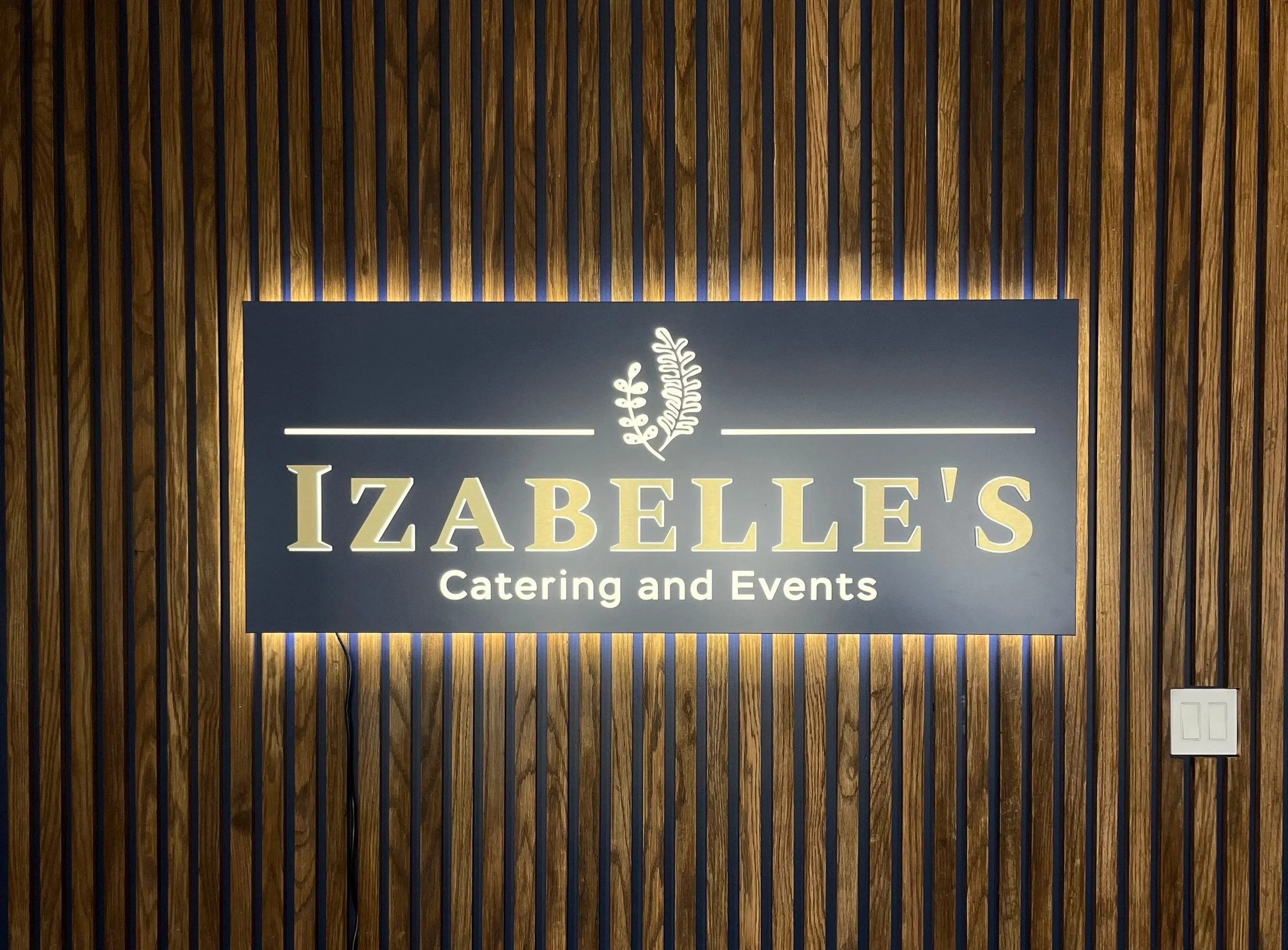
These signs provide a primary identification focal point when someone is facing the building.
Where are Traditional Signs Most Effective?
Freestanding Buildings: When a building stands alone, a large fascia sign offers the clearest identification from a distance.
Large Parking Lots: For businesses set back significantly from the road, a large flat sign on the facade is crucial for distance visibility.
Detailed Branding: Flat signs offer a large, flat canvas perfect for displaying intricate logos, detailed graphics, or long business names that might be cramped on a smaller projecting sign.
3. Head-to-Head Comparison: Blade Sign vs Traditional Signage
While both types of signage identify your business, they solve different spatial problems. One targets the "passerby" while the other targets the "arrival." The following table breaks down the technical and functional differences at a glance.
| Feature | Blade Sign | Traditional Signage |
|---|---|---|
| Primary Audience | Pedestrians & Foot Traffic | Drivers & Distance Viewers |
| Mounting | Perpendicular (Projects Out) | Parallel (Flush to Wall) |
| Best Location | Narrow Streets, Urban Centers | Plazas, Parking Lots |
| Visibility Angle | Dual-sided (Side-on view) | Single-sided (Head-on view) |
| Branding Space | Compact / Logo-focused | Large / Detailed Info |
| Installation | Structural brackets required | Standard wall mounting |
Which type will offer the best return on investment?
If your business relies on high foot traffic and walk-in curiosity, the Blade Sign is your most valuable asset.
However, if your storefront is set back from the road or located in a vehicle-heavy plaza, Traditional Signage remains the essential anchor for your brand’s physical presence.
4. Pros and Cons of Blade Signs
Pros:
Maximize Foot Traffic Exposure: Captures the attention of pedestrians walking parallel to the building.
High Visibility in Dense Areas: Essential where buildings are crowded and flat signs get lost.
Adds Character: Enhances the aesthetic appeal of a storefront.
Double-Sided Branding: Attracts customers from two directions.
Cons:
More Complex Permitting: Often requires special encroachment permits from the city.
Structural Considerations: Needs secure mounting, potentially requiring facade reinforcement.
Limited Canvas Space: Less room for text or complex details compared to a large wall sign.
Learn more about blade signs by watching this video:
5. Pros and Cons of Traditional Signage
Pros:
Primary Destination Identification: Best for welcoming customers who have arrived at your location.
Large Branding Canvas: Ideal for showcasing intricate logos, detailed services, and taglines.
Distance Visibility: Most effective for viewing from a parking lot or further down a wide street.
Generally Simpler Installation/Permitting: Stays within property lines, fewer structural demands.
Cons:
Easily Missed by Pedestrians: In busy areas, foot traffic can walk right past without noticing.
Blends in with Competition: When multiple flat signs are side-by-side, individual brand identity can be lost.
6. Which Sign is Right for Your Business Environment?
Downtown and Urban Areas
Winner: Blade Sign. In walkable city centers, capturing the attention of the surrounding sidewalk traffic is vital. Blade signs are the standard here for a reason. Combining a prominent blade sign with clean window graphics is often the ideal urban retail strategy.
Shopping Plazas and Strip Malls
Winner: A mix, with Traditional Signage as the anchor. Customers in plazas are usually in a "destination mode" or driving by. A large, illuminated fascia sign is critical so drivers can quickly locate the store. A blade sign can be a beneficial addition if there is a common covered walkway where pedestrians browse adjacent stores.
Freestanding Storefronts
Winner: Traditional Signage. A standalone building usually implies there's space for a large, imposing fascia sign that dominates the facade. This provides maximum brand expression and is easily seen by passing cars or visitors arriving at the location. A blade sign would typically be redundant or understated on a large, setback building.
There is no single "better" sign. The choice between a blade sign and traditional signage depends entirely on your location, your target audience, and how they navigate your area.
A freestanding restaurant in a plaza has different needs than a boutique clothing store in a historic downtown district.
By understanding the visual strengths of each sign type, you can invest in the right strategy to ensure your business stands out, gets noticed, and drives customer traffic.

Don't Let Potential Customers Walk Past Your Door
Whether you need the high-altitude visibility of a fascia sign or the sidewalk-turning power of a custom blade sign, we help your business get noticed. Let’s design a signage strategy that fits your budget and your building.
View Our Portfolio | Request a Custom Quote | Try Our Sign Calculator Tool
“I had a great client experience working with Rhonda from AGC signs. We were looking for lawn signs that the Pickering Garden Club volunteers could use, when working in the City of Pickering Gardens to profile who we are and what we do. The signs fit the bill perfectly. Thanks again to AGC signs for making the great signs and for a seamless process from start to finish”


