Discover what is involved in custom sign installation for different types of custom signage, including storefront signs, vehicle graphics, channel letters, and more!
Construction Hoarding: How the Right Hoarding Protects Your Site and Promotes Your Brand
When starting a commercial build or major renovation, securing the perimeter is often one of the first operational hurdles. However, viewing hoarding construction strictly as a safety barrier means missing out on one of the most valuable marketing spaces available during development.
High-quality construction site hoarding serves a dual purpose: it secures active jobsites, protects pedestrians, and manages compliance, while simultaneously transforming hundreds of linear feet of empty perimeter into high-impact branded construction hoarding.
Contact our team today to request a quote on your upcoming construction site hoarding project.
Key Takeaways
- • Dual Value: Construction hoarding combines mandatory physical security with large-scale project marketing.
- • Material Selection: Choose between Plywood, Aluminum Composite Panels (ACM), Freestanding, or Fence-Mounted systems based on site timeline, weather exposure, and foot traffic.
- • Engineering Matters: Proper installation must factor in municipal bylaws, wind load calculations, and pedestrian safety redirects.
- • Full-Service Partnering: Working with a turnkey signage team like AGC Signs ensures seamless project management from site survey through graphic installation and post-launch updates.
1. Why Construction Hoarding Is Essential for Every Project
At its core, construction hoarding provides critical site management functions that extend well beyond basic fencing:
Public Protection: It restricts unauthorized entry, secures dangerous machinery, and buffers heavy foot traffic from active work zones.
Regulatory Legitimacy: Municipalities mandate perimeter containment for commercial builds. Proper hoarding installation ensures your jobsite complies with local safety codes and building bylaws from day one.
On-Site Project Safety: Enclosing the perimeter deters vandalism, prevents equipment theft, and keeps high-value raw materials secure overnight.
Environmental Impact & Noise Control: Solid construction site signage and barrier walls help contain airborne dust, debris, and acoustic disruption within the boundary.
High-Impact Project Branding: Blank perimeter barriers are a missed opportunity. Custom construction fence graphics allow developers and contractors to engage pass-by traffic, generate pre-leasing buzz, and highlight key project milestones.
2. Choosing the Right Type of Construction Hoarding
Selecting the right enclosure system depends on project duration, footprint, and public visibility.
3. Key Factors to Consider Before Installing Construction Hoarding
A successful hoarding installation requires planning long before materials arrive on site. Consider these technical factors during the planning phase:
Pedestrian Flow & Site Layout
Map out surrounding sidewalks, bus stops, and road lanes. High-density zones require clean sightlines, smooth pedestrian redirects, and covered walkways when builds overhang public property.
Municipal Bylaws & Permitting
Local authorities dictate barrier height, setback clearance, lighting mandates, and allowed signage square footage. Non-compliant setups can trigger project delays or costly municipal fines.
Structural Integrity & Wind Loads
Ontario weather brings freezing temperatures, heavy snow accumulation, and high winds. Solid panels function like sails - improperly anchored posts or inadequate structural bracing can fail under severe wind loads.
Accessibility & Clear Entrances
Keep vehicle access points, delivery gates, and emergency worker exit routes clearly defined with custom directional construction site signage.
4. Why Professional Design and Installation Matter
To maximize safety, longevity, and brand impact, commercial developers work with experienced signage specialists. AGC Signs delivers turnkey custom signage and barrier solutions across Ontario:
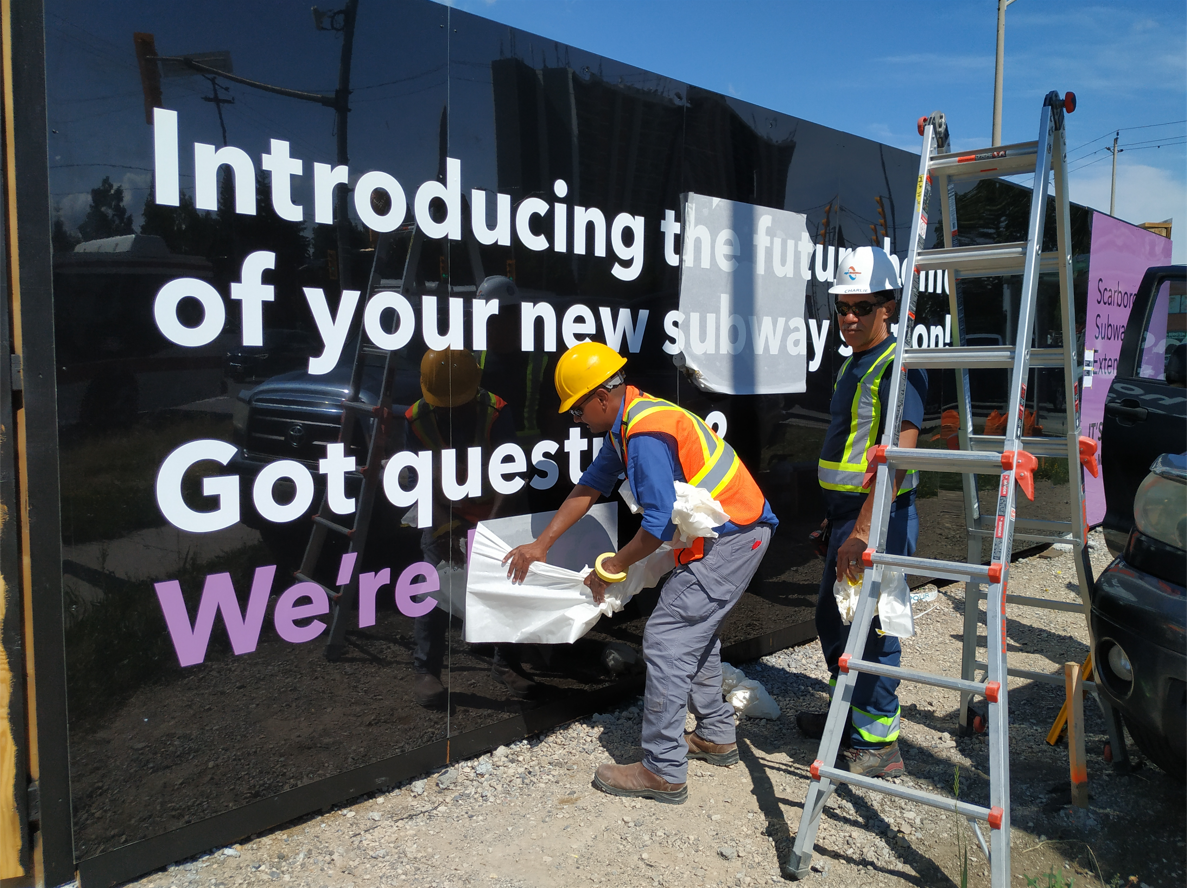


Accurate Site Surveys: We take precise measurements, evaluate surface terrain, and verify load requirements before production starts.
Custom Graphic Design: Our team creates vivid, high-resolution custom hoarding graphics that showcase architectural renderings, tenant logos, and project timelines.
In-House Fabrication: Using industrial-grade substrate materials, UV-resistant inks, and protective laminates, our branded construction hoarding withstands harsh weather without fading or peeling.
Certified Sign Installation: Our field crews handle secure bracing, structural mounting, and full compliance checks to keep your jobsite safe and legal.
End-to-End Project Management: From original concept drawings and permit approvals to final teardown, we streamline the entire process.
5. Get More Value from Your Construction Hoarding
Treating your perimeter barrier as an active marketing engine increases ROI throughout the lifecycle of your development:
Maximize High-Traffic Advertising: Leverage long street frontage to communicate brand stories, showcase architectural renderings, and promote retail or condo pre-sales.
Drive Digital Engagement: Integrate high-contrast QR codes, website URLs, phone numbers, and social media handles directly onto your hoarding graphics so interested passersby can take immediate action.
Keep Site Aesthetics Clean: Professional graphic panels prevent graffiti accumulation, project an image of quality, and build goodwill within the surrounding community.
Update Graphics as Phases Progress: Transition messaging across project phases - moving from initial site announcements and leasing opportunities to grand opening reveals.
Partner with AGC Signs
Ready to elevate your jobsite with high-performance commercial signage?
AGC Signs provides full-service design, fabrication, and sign installation tailored to your project requirements.
Contact our team today to request a quote on your upcoming construction site hoarding project!
“Great craftsmanship but even better service. Quick responses and fabrication time! Will for sure be using them in the future!”
Corporate Exterior Signage: How to Make a Lasting First Impression
First impressions are formed in seconds, and for physical businesses, that initial judgment starts before a customer ever steps through the front door. Your corporate exterior signage is one of the most consistent, high-impact investments you can make to showcase your brand, drive foot traffic, and establish trust.
Whether you operate a single corporate headquarters or manage multiple commercial locations, implementing effective outdoor signage requires careful planning, direct alignment with your site dynamics, and seamless execution from concept to maintenance.
Get your corporate exterior signage done right with AGC Signs. Contact us today to get started on your next project.
Key Takeaways
- • First impressions drive revenue: High-visibility commercial exterior signage establishes immediate trust and captures potential customers right at your entrance.
- • Location dictates style: Sign types must be tailored to viewing distance, local municipal regulations, architectural style, and overall site layout.
- • Full-service execution saves money: Working with a provider handling design, permitting, fabrication, installation, and maintenance prevents costly compliance errors and delays.
- • Scalability is essential: Modular, adaptable signage simplifies future updates, rebranding, and multi-location expansion.
1. Why Corporate Exterior Signage Matters for Your Business
Your building facade is often the primary touchpoint a potential client evaluates before stepping through your door. Investing in high-impact corporate exterior signage goes far beyond basic location identification; it anchors your physical presence, builds instant credibility, and enhances brand visibility in high-traffic areas.
Thoughtfully executed commercial signs capture attention from passersby, converting passive street traffic into prospective business.
For multi-site organizations, regional offices, or expanding retail networks, cohesive exterior business signs are critical.
Utilizing standardized design elements ensures a unified corporate identity across every location, reassuring clients of your established reputation regardless of where they interact with your brand.
2. Choosing the Right Type of Corporate Exterior Signage
Selecting the ideal format requires balancing visual impact with functional requirements:
Channel Letters: Individually crafted, internally illuminated letters offering high-contrast legibility day or night.
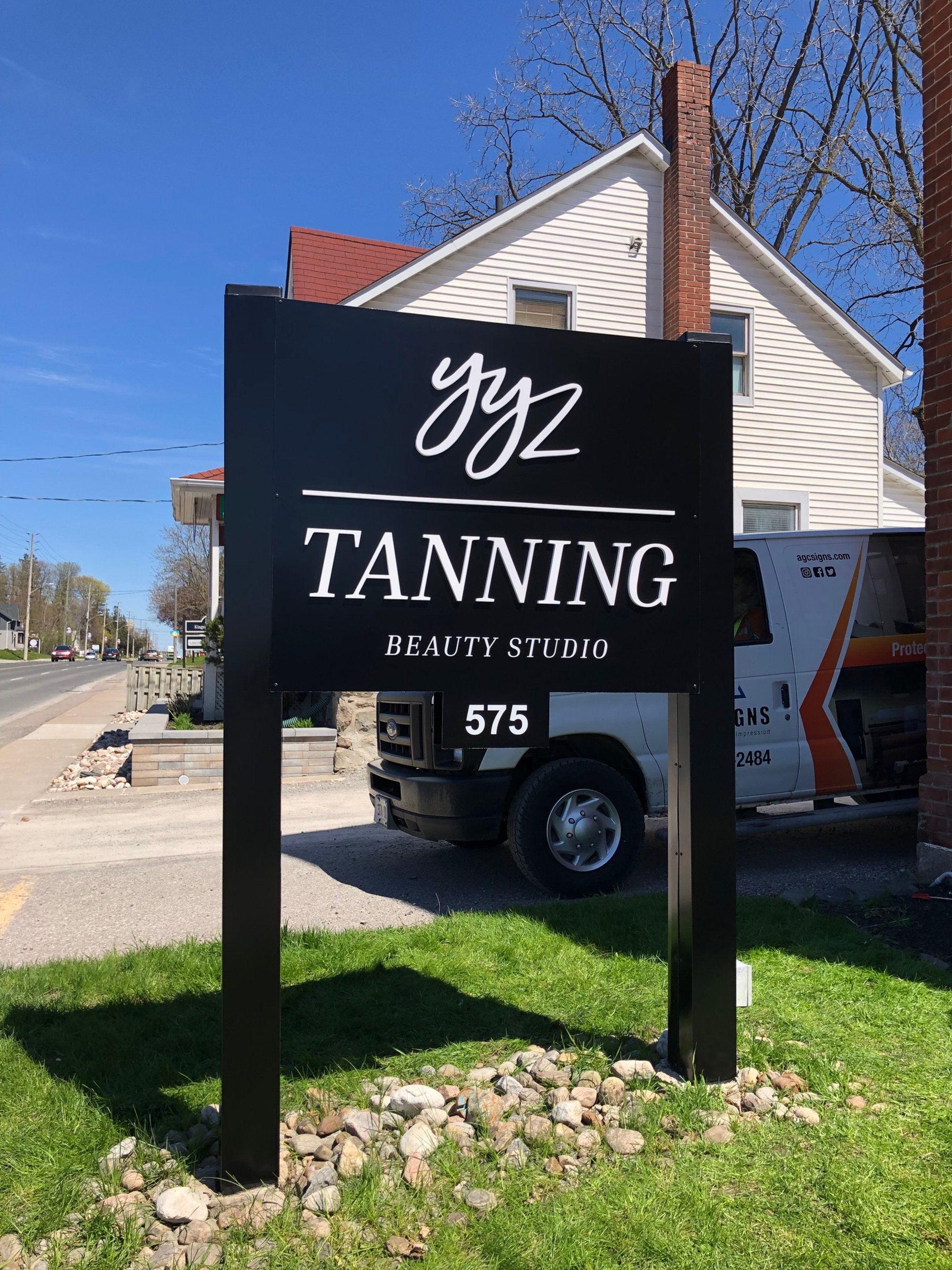
Monument Signs: Ground-level structures that provide an impressive, permanent entrance marker for corporate campuses.
Pylon Signs: Freestanding, elevated building signage designed to capture visibility from nearby highways and major arteries.
Cabinet Signs: Durable, self-contained boxes suitable for complex graphics or budget-conscious exterior sign installations.
Dimensional Lettering: Non-illuminated acrylic, metal, or wood lettering that complements historic or architectural facades.
Aligning your choice with your architectural design, target customer demographics, and required viewing distances ensures your custom exterior signs complement the physical building while maximizing street visibility.

3. Key Factors to Consider Before Investing
Location & Sightlines: Evaluate traffic speeds, tree lines, and adjacent structures to determine optimal sign height and scale.
Material Durability: Select regional weather-rated substrates, high-grade metals, and UV-resistant finishes designed to withstand harsh outdoor elements.
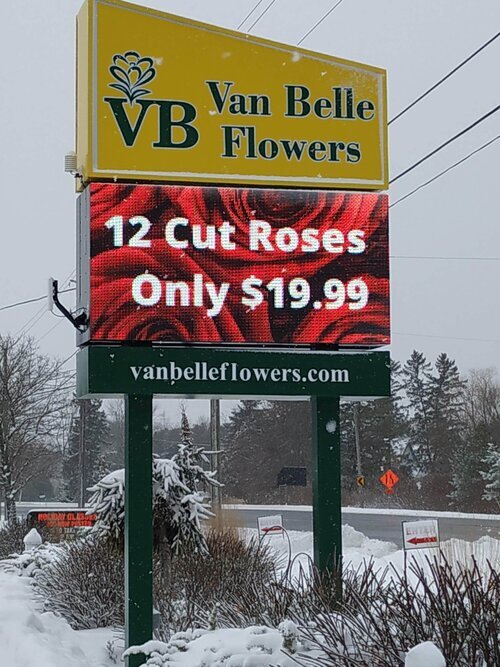
Illumination Options: Decide between halo-lit LED, direct face lighting, or ambient external lighting based on your operating hours.
Local Municipal Bylaws: Review local zoning codes, maximum allowable square footage, setback requirements, and historic preservation rules before final design approval.
Choosing modular, adaptable signage components early in the planning process prevents structural replacements during future office expansions or brand refreshes.
4. Why Professional Design and Installation Matter
Designing effective corporate signage involves far more than scaling up a logo file. Experienced design teams optimize font legibility, color contrast, proportions, and lighting technology specifically for long-distance viewing environments.
Step 01
Design & Planning
➔
Step 02
Permitting
➔
Step 03
Sign Fabrication
➔
Step 04
Sign Installation
➔
Step 05
Maintenance
Partnering with a full-service provider like AGC Signs streamlines the end-to-end journey. From managing complex municipal permit applications to precision sign fabrication and final site installation, a single-source partner protects your investment and delivers long-term durability without project management friction.
5. Keeping Your Corporate Exterior Signage Looking Its Best
Routine preventative care preserves both the structural integrity and aesthetic clarity of your commercial exterior signage:
Scheduled Cleaning: Clear away road grime, environmental buildup, and organic debris every six months to maintain colour vibrancy.
Hardware & Electrical Inspection: Perform annual checks on structural anchors, weather seals, and internal LED drivers.
System Upgrades: Retrofit older neon or fluorescent illuminated signs with energy-efficient LED components to reduce operating costs.
Fading colours, damaged cabinet panels, flickering lights, or outdated corporate branding negatively impact public perception. Timely repairs and graphic updates ensure your signage consistently reflects a modern, professional image.
Transform Your Business Facade into a 24/7 Brand Magnet
Ready to elevate your property's visibility with high-performance corporate exterior signage? Contact the experts at AGC Signs today to request your custom consultation.
From initial concept and municipal permitting to precision fabrication, expert installation, and ongoing maintenance, our team delivers turn-key signage solutions tailored to your brand.
“We had a great experience working with Adrian from AGC Signs! From design plan to installation, their team was professional, responsive, and wonderful to work with. The final product exceeded our expectations—we’re so happy with the results. Highly recommend them for any signage needs!”
Signs Installation: What to Expect from Start to Finish
Investing in custom business signage is one of the most effective ways to boost visual impact, attract foot traffic, and build brand recognition. However, if you are actively searching for professional sign installation services, you might be wondering: How does sign installation work? How long does sign installation take? And what should I expect along the way?
At AGC Signs, we believe the sign-buying process should be exciting, transparent, and completely stress-free. From initial site assessments to final electrical connections, our experienced commercial sign installers manage every single detail with precision.
Here is your complete guide to what to expect during sign installation from start to finish - and why working with a full-service professional ensures zero surprises. Contact us today to learn more.
💡 Key Takeaways
- End-to-End Handling: AGC Signs manages every phase of your project, including site assessment, municipal permits, fabrication, and mounting.
- Quick On-Site Timelines: While custom fabrication and permitting can take 2–6 weeks, actual on-site installation usually takes only 4 to 8 hours for standard signs.
- Zero Surprises: Working with licensed commercial sign installers ensures full building code compliance, structural safety, and protected warranties.
1. The First Step: Planning Your Sign Installation Project
Successful commercial sign installation begins long before heavy equipment arrives at your business. A seamless installation relies on meticulous preparation, accurate measurements, and full regulatory compliance.
Comprehensive Site Assessment & Precision Measurements
Our team begins with a thorough site survey. We evaluate structural walls, rooflines, ground stability, and line-of-sight visibility from surrounding roadways. Precise laser measurements guarantee that your custom business signs installation fits perfectly into its intended space without unexpected on-site modifications.
Navigating Municipal Permits & Zoning Rules
Signage regulations vary significantly across municipalities within Durham Region. Bypassing legal approvals in Oshawa, for example, can lead to costly delays, heavy fines, or forced removals.
AGC Signs handles the entire permit application process on your behalf, ensuring your design complies with local height restrictions, illumination limits, set-backs, and structural engineering codes.
Selecting the Ideal Signage Location
Optimal placement balances maximum visual exposure with structural integrity. We analyze traffic patterns, sun exposure, tree canopy growth, and surrounding architectural elements to pinpoint the precise location where your sign will drive the highest return on investment.

2. How Professional Signs Installation Works
Once permits are secured and designs are finalized, our streamlined business sign installation process moves into active execution. We coordinate every stage so your day-to-day business operations remain uninterrupted.
In-House Fabrication: Your sign is manufactured using high-grade, weather-resistant materials in our state-of-the-art facility, ensuring strict quality control before installation day.
Seamless Scheduling: We schedule installation at a time that minimizes impact on your customer traffic, offering off-peak or off-hour services when necessary.
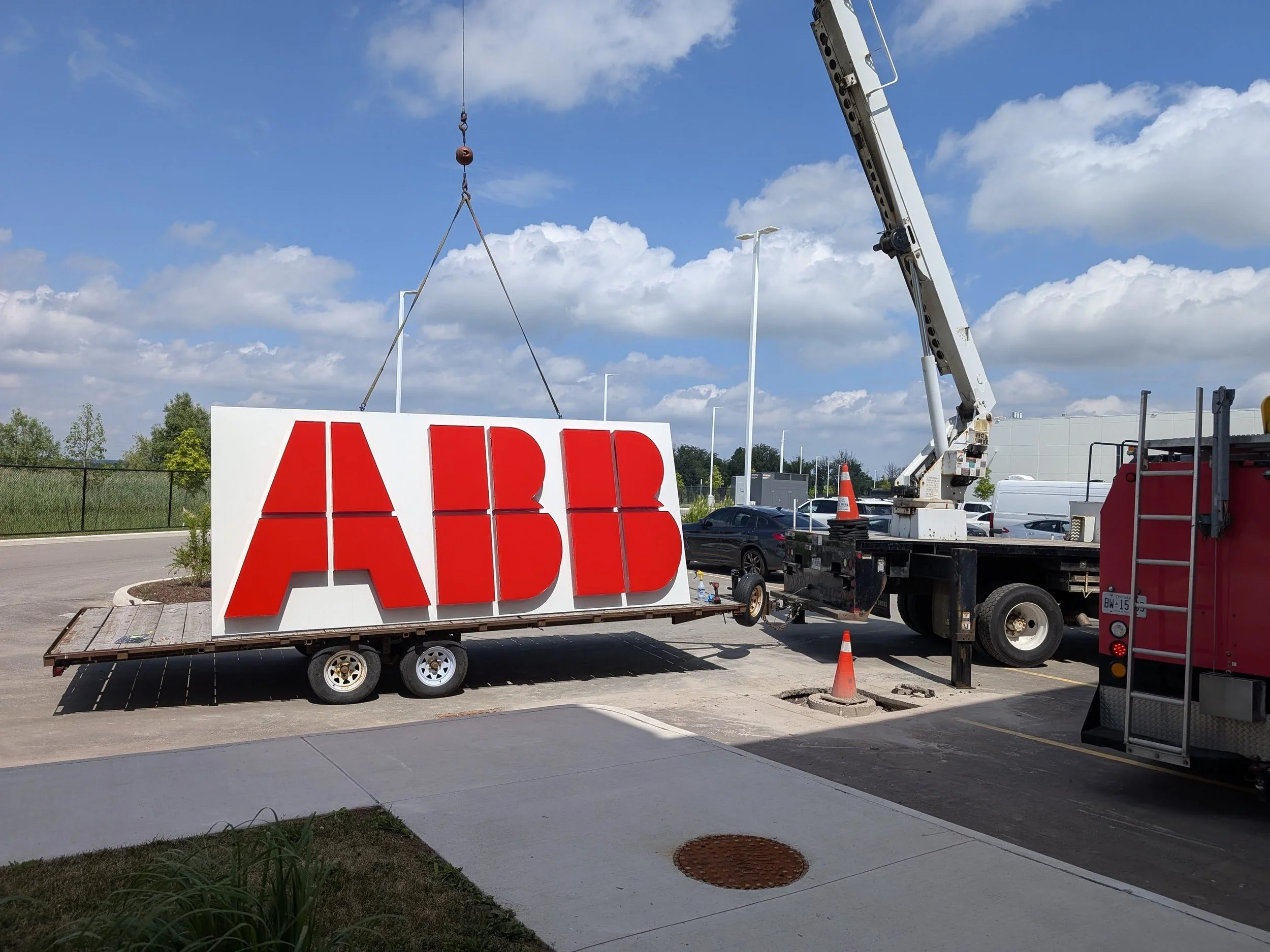
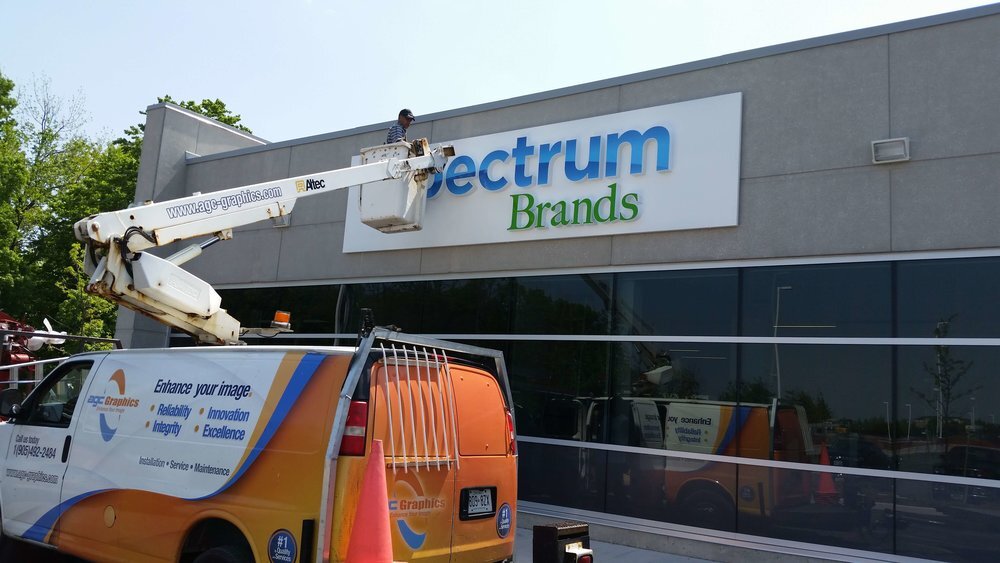
Specialized Equipment Preparation: From crane trucks and bucket lifts to specialized mounting hardware, our crew arrives fully equipped for your specific building layout.
Rigorous Safety & Mounting Execution: Our certified installation crew establishes secure safety zones, secures heavy structural anchors, connects certified electrical wiring, and conducts final lighting and alignment tests
⏱️ How Long Does Sign Installation Take?
Standard Signs
4–8 Hours
Complex Pylons
1–3 Days
Total project timelines (permits + custom fabrication) take 2 to 6 weeks, but on-site mounting is streamlined to minimize interference with your daily business operations.
3. Common Challenges During Signs Installation (And How We Solve Them)
Every commercial property presents unique architectural and environmental conditions. Choosing experienced outdoor sign installation services ensures potential obstacles are anticipated and resolved seamlessly.
Complex Building Materials: Mounting heavy channel letters or cabinet signs on brick, EIFS, glass, stucco, or metal cladding requires specialized anchors and weather-sealing to protect structural integrity.
Electrical Requirements & Power Access: Illuminated channel letters, LED cabinets, and digital displays require certified electrical hookups. We plan power line routes, transformers, and dedicated circuit access ahead of time.
Weather Constraints: Extreme winds, heavy freezing, or torrential rain can impact safety and material curing. Our team monitors local forecasts closely to ensure safe working environments.
Site Accessibility & Traffic Control: Multi-story buildings, tight urban parking lots, or busy pedestrian thoroughfares require specialized boom trucks and safety flagging to protect passersby and keep traffic flowing smoothly
4. Why Professional Installation Matters
While DIY or uncertified installations may seem cost-effective initially, professional installation protects your business brand, legal standing, and physical property over the long run.
Uncompromising Safety & Structural Integrity: Commercial signs can weigh hundreds of pounds and face extreme wind loads. AGC Signs ensures every bracket, bolt, and weld meets strict structural engineering standards.
Full Regulatory & Code Compliance: Avoid shutdown notices or municipal fines. Professional installation guarantees adherence to local building, electrical, and zoning codes.
Superior Visual Finish & Longevity: Flawless alignment, clean concealed wiring, and waterproof sealing guarantee your sign looks incredible and withstands harsh weather for years.
Comprehensive Warranty Coverage: Working with a full-service partner like AGC Signs ensures your investment is protected by robust material and installation warranties.
5. Maintaining Your Sign After Installation
To maximize the lifespan of your commercial sign and keep it looking brand-new for decades, establish a simple routine maintenance plan:
Regular Exterior Cleaning: Wash non-illuminated and acrylic surfaces periodically with mild soap and water to remove airborne grime, salt, and atmospheric dust.
Routine Visual Inspections: Perform bi-annual checks on LED illumination, face plates, sealant beads, and mounting hardware to catch minor wear early.
Prompt Repairs & Servicing: Address flickering LEDs, storm damage, or wear immediately. AGC Signs offers ongoing maintenance and repair services to keep your display in peak condition.
Ready to Elevate Your Business with Signs installation?
If you are searching for reliable sign installation near me, trust the experts at AGC Signs.
We deliver professional, straightforward, and streamlined service from concept to cleanup—with zero surprises.
“AGC Signs installed three signs at our new office in Oshawa. Professional, courteous and beautiful signs (day and night). Thanks AGC!”
Neon Sign Shop: How to Find the Right Company for Your Custom Sign
Choosing the right partner to bring your visual brand to life is one of the most critical decisions you will make as a business owner. When customers search for a neon sign shop, they often navigate a crowded market of varying quality, hidden outsourcing fees, and confusing municipal rules that can lead to delayed installations and fading materials.
In this article, you will learn what separates an average vendor from an elite sign shop, the exact questions to ask before committing, and why local expertise makes all the difference. Read on to discover how to secure high-impact custom signage that elevates your storefront day and night.
As a trusted, full-service custom sign company, we understand the local landscape inside and out. Contact us today to get started on your neon sign project.
Key Takeaways
- End-to-End Control Matters: Working with a full-service sign company that handles design, fabrication, permitting, and installation in-house eliminates miscommunication and prevents costly project delays.
- Modern Efficiency: Today’s businesses are increasingly pivoting toward durable LED neon signs and commercial neon signs for superior energy efficiency, lower maintenance, and long-term cost savings.
- Local Expertise Counts: Partnering with a dedicated local sign shop ensures compliance with regional municipal bylaws, hassle-free permit management, and reliable, responsive post-installation support.
- Value Over Price: The cheapest upfront quote rarely translates to long-term value; prioritizing professional craftsmanship, premium materials, and robust warranties protects your brand investment.
1. What to Look for in a Neon Sign Shop
Not all sign shops offer the same level of service, technical capability, or quality control. When investing in custom neon signs or striking neon business signs, understanding a shop's operational structure is vital to a smooth experience.
Why Experience Matters: Designing and fabricating vibrant illuminated signs requires a specialized mix of artistic vision and electrical engineering. An experienced partner knows how to balance aesthetic brilliance with structural integrity, ensuring your display withstands local weather conditions year after year.
In-House vs. Out-Sourced Operations: Many brokers take your order only to outsource the design, printing, or manufacturing to third-party facilities. This creates a chain of telephone tag where accountability is lost.
The Power of an Under-One-Roof Workflow: Having design, fabrication, installation, and permitting managed under a single roof drastically cuts down on miscommunication and timeline delays.
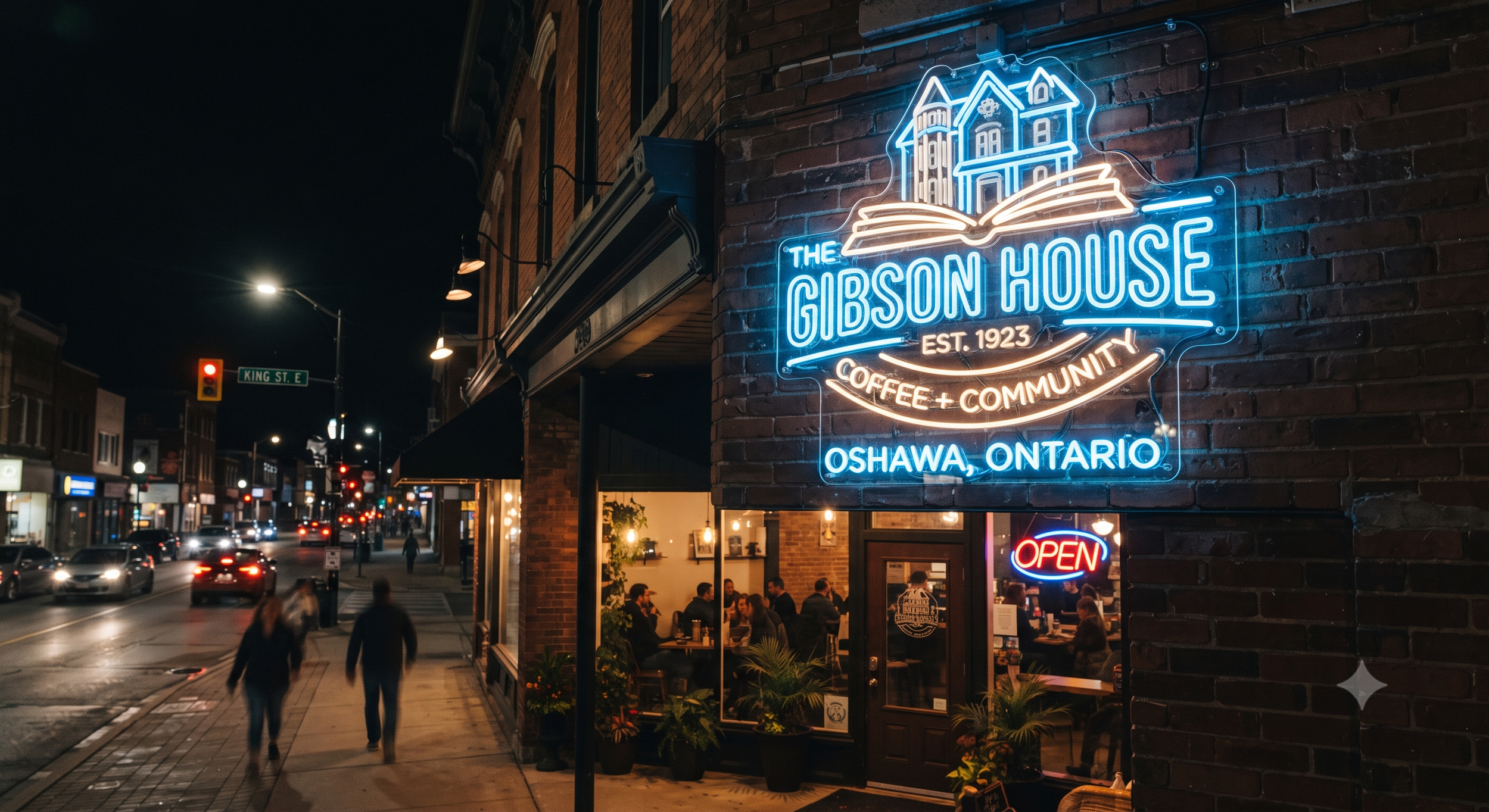
The AGC Advantage: AGC Signs manages every single stage of your project in-house - from initial concept to final installation. By keeping operations centralized, we maintain strict quality control, ensuring your custom neon sign or business neon signs meet the absolute highest standards of craftsmanship.
2. Questions to Ask Before Ordering a Custom Neon Sign
Before signing a contract with any sign company, you need clear answers regarding how your project will be handled. Transparency builds trust, and a reputable sign company should welcome your inquiries.
Ask potential providers the following questions:
| Question to Ask | Why It Matters | The AGC Approach |
|---|---|---|
| Can you create a custom design that matches my branding? | Your sign must mirror your exact corporate identity, fonts, and pantone colours. | Our expert designers collaborate closely with you to craft eye-catching custom business signs tailored to your brand. |
| Will the sign comply with local municipal sign bylaws? | Non-compliant signs face costly fines or forced removal orders. | We leverage deep regional expertise to ensure every project strictly adheres to local code. |
| Do you handle permits if they're required? | Permitting paperwork can stall a project for weeks if mismanaged. | We take care of all municipal permit paperwork from start to finish. |
| Who installs the sign? | Subcontracted installers may lack proper insurance or technical training for electrical connections. | Our fully trained, in-house team executes safe, precise electrical installations. |
| What maintenance or support is available after installation? | Lights can burn out or weather can take a toll over time. | We offer ongoing maintenance, bulb replacements, and repair support across our entire service region. |
3. How to Compare Quality, Pricing, and Warranties
When browsing for custom signage, it is easy to default to whoever offers the lowest price tag. However, in the sign industry, you truly get what you pay for. Choosing a partner focused on long-lasting, professionally manufactured products protects your bottom line.
The Trap of the Cheapest Quote: Low-cost providers often cut corners by using inferior acrylics, unsealed wiring, or low-grade transformers that degrade quickly under Canadian weather extremes, leading to premature failure and expensive replacements.
Key Factors Affecting Pricing:
Size and scale of the display.
Indoor vs. outdoor use (weatherproofing requirements).
Illumination type—whether you choose classic glass styling or energy-efficient LED neon signs.
Mounting method (e.g., raceway mounts, direct wall mounts, or halo-lit standoffs).
Installation complexity (height, electrical access, and building facade material).
Durability and Workmanship: Ask potential vendors about their material quality and expected lifespans. Modern commercial neon signs utilizing low-voltage LED flex technology offer incredible energy savings and tens of thousands of hours of vibrant illumination without the high maintenance associated with vintage glass tubes. Always ensure your investment is backed by a solid workmanship warranty.
4. Reviewing Past Projects and Customer Testimonials
Evaluating a sign shop before signing an agreement requires looking closely at their track record. A portfolio speaks volumes about versatility and execution quality.
Browse the Portfolio: Look through a company’s past project gallery to find examples similar to what you envision. Whether you need a sophisticated display for a corporate office, bright retail window lettering, or bold outdoor branding, seeing real-world results instills confidence.
Scan Google Reviews: Read independent customer feedback focusing specifically on communication clarity, installation professionalism, and adherence to timelines.
Industry Versatility: A top-tier sign shop should have experience across a wide spectrum of sectors—including retail storefronts, restaurants, healthcare offices, industrial complexes, and municipal projects. AGC Signs has built a stellar reputation across Pickering, the Durham Region, and the GTA by consistently delivering excellence for diverse local businesses and public organizations alike.
5. Why Choosing an Experienced Local Sign Company Matters
Partnering with a distant online vendor or an out-of-town broker might seem convenient, but it often introduces friction when logistical challenges arise. Opting for a dedicated local sign company offers unbeatable advantages:
In-Depth Municipal Insight: A local team understands the specific sign bylaws, height restrictions, and illumination limits enforced by municipal offices throughout Pickering, Ajax, Whitby, and Oshawa.
Seamless Communication and Site Visits: Local proximity allows for quick, on-site property evaluations to check electrical hookups, wall construction, and optimal viewing angles.
Reliable Scheduling: Eliminate the unpredictability of long-distance freight shipping and third-party installation crews. Local teams arrive on schedule and equipped for the job.
Ongoing Local Support: If you ever need routine maintenance, seasonal repairs, or future brand expansions, your local partner is just a phone call away.
Ready to Illuminate Your Brand?
If you are looking for a dependable neon sign shop that delivers complete in-house solutions from design to installation, trust the experts at AGC Signs.
Serving businesses throughout Pickering, Ajax, Whitby, Oshawa, Bowmanville, the Durham Region, and the Greater Toronto Area, we are here to make your business shine.
Contact AGC Signs today to request a free quote and discuss your custom signage project!
“I have an indoor sign, a store front sign, and a pylon sign from AGC. They all look great (especially the 3D lettering indoors). The whole team was very flexible and understanding of our needs. Lots of compliments on all of our signs. 5 stars!”
Signs that Fit In: How to Match Your Location to the Right Sign
When designing commercial signage, it is easy to focus strictly on branding—your logo, brand colours, and typography. However, one of the most critical factors in sign effectiveness is often overlooked: the physical environment surrounding your business.
A sign that looks striking on a computer mockup might end up obscured by landscaping, dwarfed by a wide setback, or jarringly out of place in a serene setting. Matching your signage to your physical landscape, property layout, and location ensures high visibility, local compliance, and maximum aesthetic appeal.
Here is how to match your location to the right sign to make sure your investment delivers maximum impact.
Suburban Schools & Institutional Grounds: Short & Non-Obstructive
High-Density Urban Streets: Bold Channel Letters & Storefront Impact
Used Car Lots & High-Traffic Hubs: Maximum Height & Excitement
Ready to match your location to the right sign? Contact the team at AGC Signs today for a free consultation and quote.
Key Takeaways
Site First, Design Second: Always analyze speed limits, foliage growth, and property setbacks before selecting sign height and style.
Respect the Setting: Natural spaces require organic textures like wood or stone, while high-density commercial strips demand high-contrast illumination.
Prioritize Safety: Institutional and school signage should focus on clear sightlines for drivers and pedestrians.
Plan for All Seasons: Factor in how summer tree canopies, winter snow drifts, or changing brush line heights will impact year-round visibility.
1. Natural Landscapes & Parks: Blending Form and Function
For parks, nature reserves, recreational facilities, and environmentally integrated properties, signage should complement the natural surroundings rather than clash with them.
Recommended Style: Carved or rustic wood signs, stone monuments, or wood-grain textured composite materials.
Colours & Finish: Earthy tones (browns, greens, muted neutrals) and matte finishes.
Why It Works: High-gloss, neon, or hyper-vibrant illuminated plastic signs can feel disruptive in natural environments. High-quality wooden or carved signs communicate quality while respecting the natural landscape.
2. Large Lawns & Suburban Campuses: Low-Key Integration
If your building sits back from the road behind a wide, landscaped lawn - such as a corporate campus, church, or community centre - the goal is to establish presence without overwhelming the green space.
Recommended Style: Low-profile monument signs integrated with stonework or brick bases.
Placement & Design: Positioning the monument near the primary drive entrance keeps it readable for drivers while allowing the sign base to blend into garden beds or turf.
Why It Works: Monument signs grounded near eye level feel permanent and cohesive on expansive lawns, whereas oversized pylon signs can disrupt the estate-like appearance of the property.
3. Suburban Schools & Institutional Grounds: Short & Non-Obstructive
Schools, daycare facilities, and municipal buildings require high readability for visitors and traffic, but safety and neighbourhood character come first.
Recommended Style: Low-height, ground-mounted monument signs with built-in digital LED message centres.
Key Considerations: Keep sightlines clear near pedestrian crosswalks, drop-off lanes, and intersections.
Why It Works: A shorter sign prevents sightline obstruction for bus drivers, parents, and young pedestrians, while an integrated LED screen provides a clean, adaptable space for announcements without cluttering the lawn with temporary banners.

4. Rural Roads & Heavy Shrubbery: Reaching Above the Obstacles
Rural commercial properties, country markets, nurseries, and roadside operations often face physical challenges like high-speed passing traffic, mature trees, dense brush, or rolling topography.
Recommended Style: High-standing pylon signs or elevated post-and-panel systems.
Key Considerations: Measure tree canopy growth and setback distances from the roadway before determining final height.
Why It Works: If overgrown foliage or elevation changes block line-of-sight from 100 meters away, a low ground sign is essentially invisible. Elevating the sign above brush line gives passing drivers ample time to react and turn in safely.
5. High-Density Urban Streets: Bold Channel Letters & Storefront Impact
In bustling downtown corridors, industrial parks, or retail strip centers, your sign competes with dozens of competing visual distractions, architectural details, and adjacent businesses.
Recommended Style: Individually mounted dimensional channel letters (front-lit or halo-lit) paired with sleek projecting blade signs.
Design Focus: High contrast, crisp typography, and direct line-of-sight illumination.
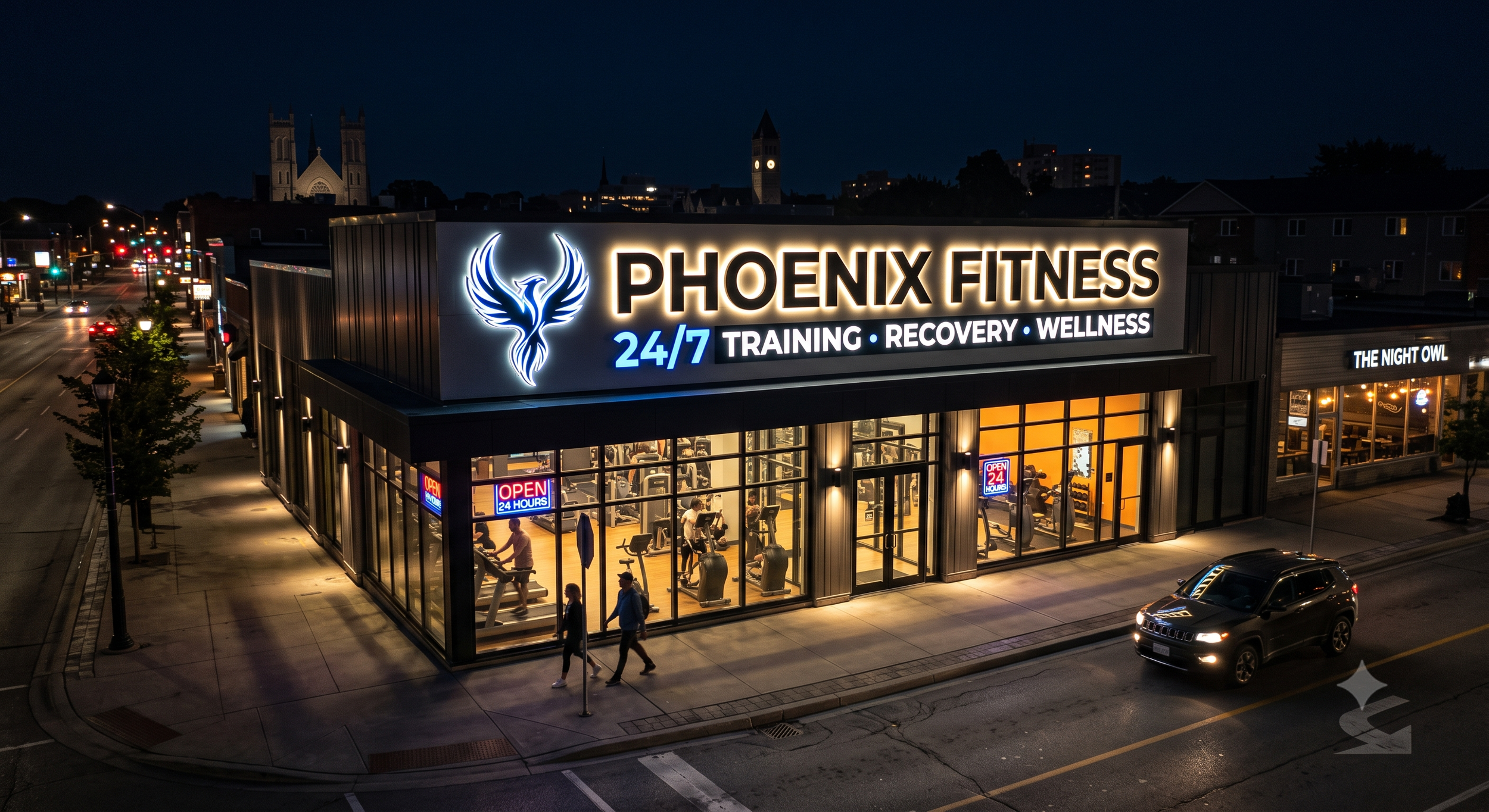
Why It Works: Flat banner signs blend into the background on dense commercial streets. Bold, illuminated channel letters pop against brick or concrete facades, ensuring your storefront remains visible day and night.
6. Used Car Lots & High-Traffic Hubs: Maximum Height & Excitement
For highway-adjacent businesses, auto dealerships, and retail plazas where traffic travels at high speeds, subtlety takes a backseat to immediate impact.
Recommended Style: Tall pylon signs, dynamic digital displays, and illuminated cabinet signs with vibrant colors.
Design Focus: High contrast, large lettering, and clear branding visible from several hundred meters away.
Why It Works: Drivers moving at high speeds need split-second recognition. Tall pylon signs clear parked inventory or roadside obstructions, delivering maximum promotional impact before drivers pass your entrance.
7. Location vs. Signage Match Guide
| Business Location / Setting | Primary Environmental Challenge | Ideal Sign Format | Key Material & Feature Focus |
|---|---|---|---|
| Parks & Nature Reserves | Maintaining natural aesthetics | Carved wood or stone monuments | Earth tones, matte finishes, organic textures |
| Corporate Lawns & Campuses | Large open green space setbacks | Ground-level masonry monuments | Brick/stone bases, cohesive estate look |
| Schools & Institutions | Pedestrian safety & sightlines | Low-profile LED monument signs | Clear crosswalk visibility, digital updating |
| Rural Roads & Country Properties | Overgrown brush & fast traffic | Elevated pylon or post-and-panel signs | High clearance above tree line, bold contrast |
| Urban Downtown Streets | Visual noise & competition | Illuminated channel letters | Front-lit or halo-lit dimensional lettering |
| High-Speed Highways / Dealerships | Fast traffic & large vehicle stock | Tall pylon signs & digital cabinets | High height, maximum visibility, dynamic LEDs |
8. How to Assess Your Property Before Ordering
Before settling on a sign format, ask yourself these four spatial questions to ensure you match your location to the right sign:
What is the viewing distance and speed limit? Faster traffic requires larger text, higher placement, and bolder contrast.
What seasonal changes occur around the site? Consider how summer foliage, winter snow drifts, or blooming shrubs will impact sightlines year-round.
What is the architectural tone of your building? Your sign should feel like a natural extension of your facade and grounds.
What are local municipal signage bylaws? Height limits, setback requirements, and illumination rules vary significantly between rural, residential, and commercial zones.
Partner with AGC Signs for Your Next Custom Project
At AGC Signs, we bring decades of experience designing, manufacturing, and installing high-quality custom signs tailored specifically to your site's physical landscape.
From initial site surveys and permit approvals to final installation, we ensure your business stands out for all the right reasons.
Contact the team at AGC Signs today for a free consultation and quote.
“AGC has produced various signs, plaques, and banners for my company, and I am happy to remain a loyal customer as all of their work has been fantastic. They are a kind and hard-working team!”
10 Business Sign Ideas Proven to Attract More Customers
Effective business signage isn't just decoration - it is one of the highest-ROI marketing investments a brick-and-mortar location can make, directly influencing whether passing motorists become paying customers.
In this post, we will take a look at studies that have been done on signage techniques that actually lead to more traffic for your business:
Contact AGC Signs today to discuss your business sign ideas and to get a free quite on your next project.
Key Takeaways
First Impressions Dictate Foot Traffic: Over 76% of consumers enter a business they’ve never visited before based purely on its signage, while 68% link a sign's quality to the products inside.
Design for Drivers & Distance: Signage mounted perpendicular to traffic requires 70% less surface area to achieve the same readability as parallel-mounted signs. Text size must follow a minimum standard of 1 inch per 25 feet of distance.
Maintain Visual Integrity: Poorly maintained or outdated signage actively drives customers away—nearly 60% of consumers avoid businesses with broken or misspelled signs.
Clarity Outperforms Complexity: High-contrast text, clear typography, and generous white space allow motorists to process messaging within 1 to 2 seconds at road speeds.
1. Prioritize Font Size and Readability Distance
A sign cannot convert a passerby into a customer if it cannot be read in time.
Vehicle speed directly reduces a driver's field of vision and processing window. If typography is too small or stylized, drivers will bypass your business before they can react.
The Science Behind It
Research compiled by the United States Sign Council (USSC) establishes the Legibility Index (LI), which dictates letter height relative to speed and distance. Industry standards recommend a minimum letter height of 1 inch for every 25 feet of viewing distance.
For a storefront viewed from 100 feet away by traffic moving at 35 mph, primary lettering needs to be at least 4 to 6 inches tall to ensure safe reaction times.
Rule of Thumb: Stick to clean, sans-serif fonts with even stroke widths. Script or decorative typefaces drastically reduce legibility at speed. Check out our business sign letter height calculator for more help with this.
2. Mount Perpendicular to Oncoming Traffic
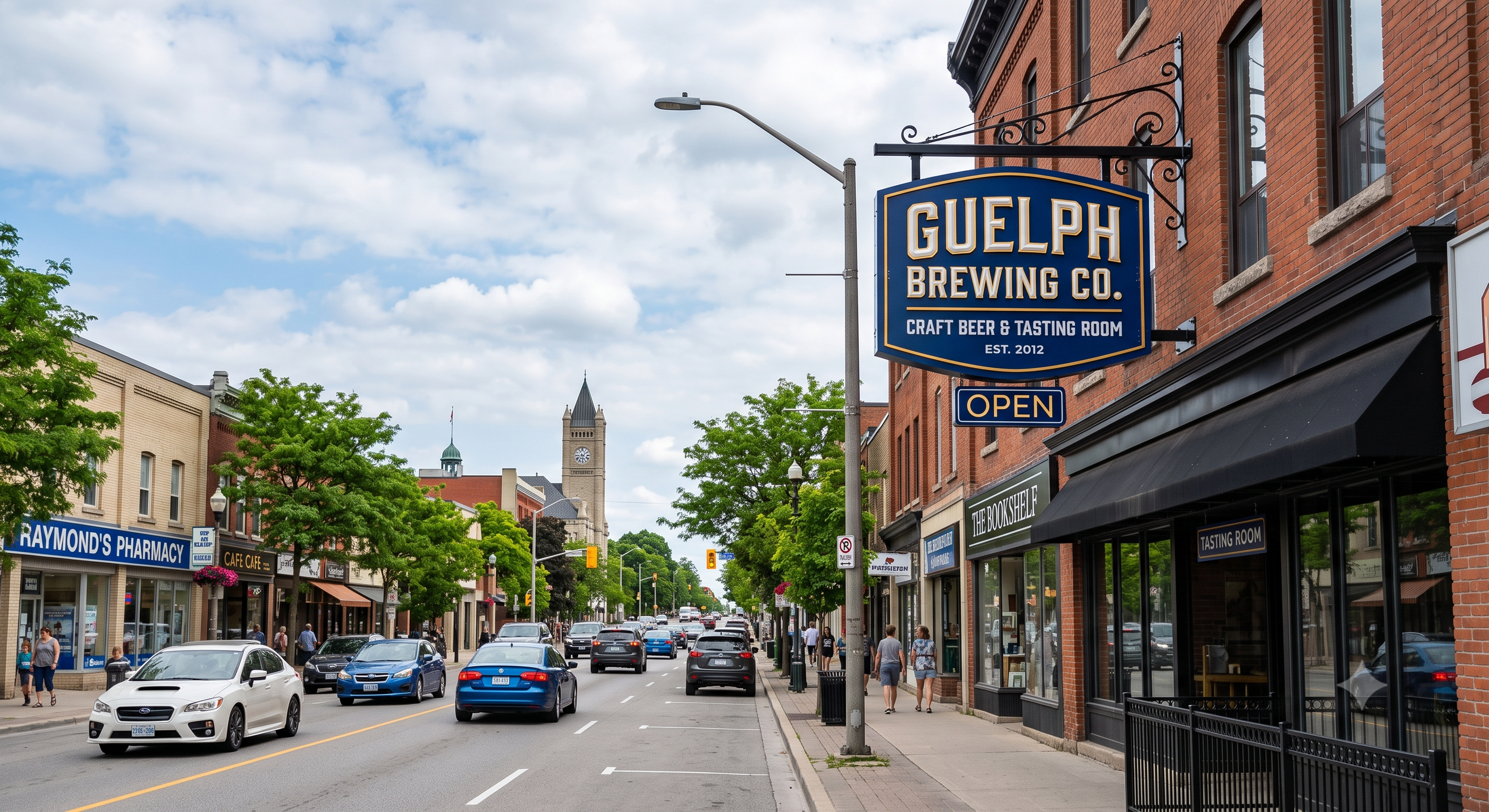
Storefront signs mounted flat against a building wall (parallel to the road) are virtually invisible to drivers travelling in either direction until they are directly alongside the property.
The Science Behind It
Studies highlighted by the International Sign Association (ISA) reveal that signs mounted parallel to the roadway must be at least 70% larger than perpendicular signs (like pylon, monument, or projecting blade signs) to achieve the same visual impact and reaction window.
Perpendicular placement aligns directly with a driver’s natural cone of vision, giving them the necessary distance to read, decide, and safely pull into your lot.
3. Embrace Simplicity and High-Contrast Design
When designing signage, creativity should never come at the expense of clarity. Passing motorists have approximately 1.5 to 2 seconds to absorb your sign's message.
The Science Behind It
Research published in the Signage Readability Guide demonstrates that visual contrast is the single most important factor in rapid comprehension. High-contrast combinations - such as black text on yellow, dark blue on white, or white on black - stand out across changing light conditions.
Furthermore, keeping 30% to 40% of the sign face as open white space prevents visual clutter and allows the core brand name to stand out immediately.
4. Ensure Flawless Maintenance and Modern Aesthetics
Your exterior sign is often the very first touchpoint a prospective buyer encounters. Outdated, weathered, or broken signage projects neglect and low quality onto the business itself.
The Science Behind It
A national study conducted by FedEx Office and Ketchum Global Research found that 68% of consumers believe a store's signage reflects the overall quality of its products and services.
Additionally, over 50% of respondents noted that poor, misspelled, or damaged signs deterred them from entering a storefront. Regular maintenance and modern materials directly protect your store traffic.
5. Incorporate Proper 24/7 Illumination
Your business sign should continue generating impressions long after business hours end. Unlit signs vanish at dusk, squandering valuable advertising time to night-time commuters.
The Science Behind It
Economic studies from the Sign Research Foundation (SRF) show that adding internal illumination (such as LED channel letters or backlit cabinets) yields a measurable boost in sales, particularly for businesses open during evening hours like restaurants, grocery stores, and retail centres.
Proper illumination maintains consistent contrast against dark backgrounds and ensures 24/7 brand recall.
6. Standardize Brand Elements and Distinctive Logos
Consistency breeds trust. If your street sign uses a different font, logo, or colour scheme than your website or interior branding, it creates cognitive dissonance for first-time visitors.
The Science Behind It
Research by Dr. James Kellaris at the University of Cincinnati’s Lindner College of Business highlights how standardized brand elements help consumers store your visual identity in long-term memory.
A distinct, repeated logo speeds up brand recognition on busy commercial corridors, allowing customers to spot your location from further away.
7. Optimize Wayfinding and Directional Signage
Getting a customer's attention from the main road is only half the battle. If parking entrances, door locations, or pick-up windows aren't clearly marked, prospective buyers often abandon the trip due to minor frustration.
The Science Behind It
Urban planning research featured in the International Journal of Research emphasizes that seamless wayfinding directly increases visitor retention and foot traffic.
Testing your directional signs from a visitor's perspective eliminates navigation friction, ensuring that driver interest converts smoothly into an in-store visit.
8. Leverage Digital Variable Messaging for Impulse Buys
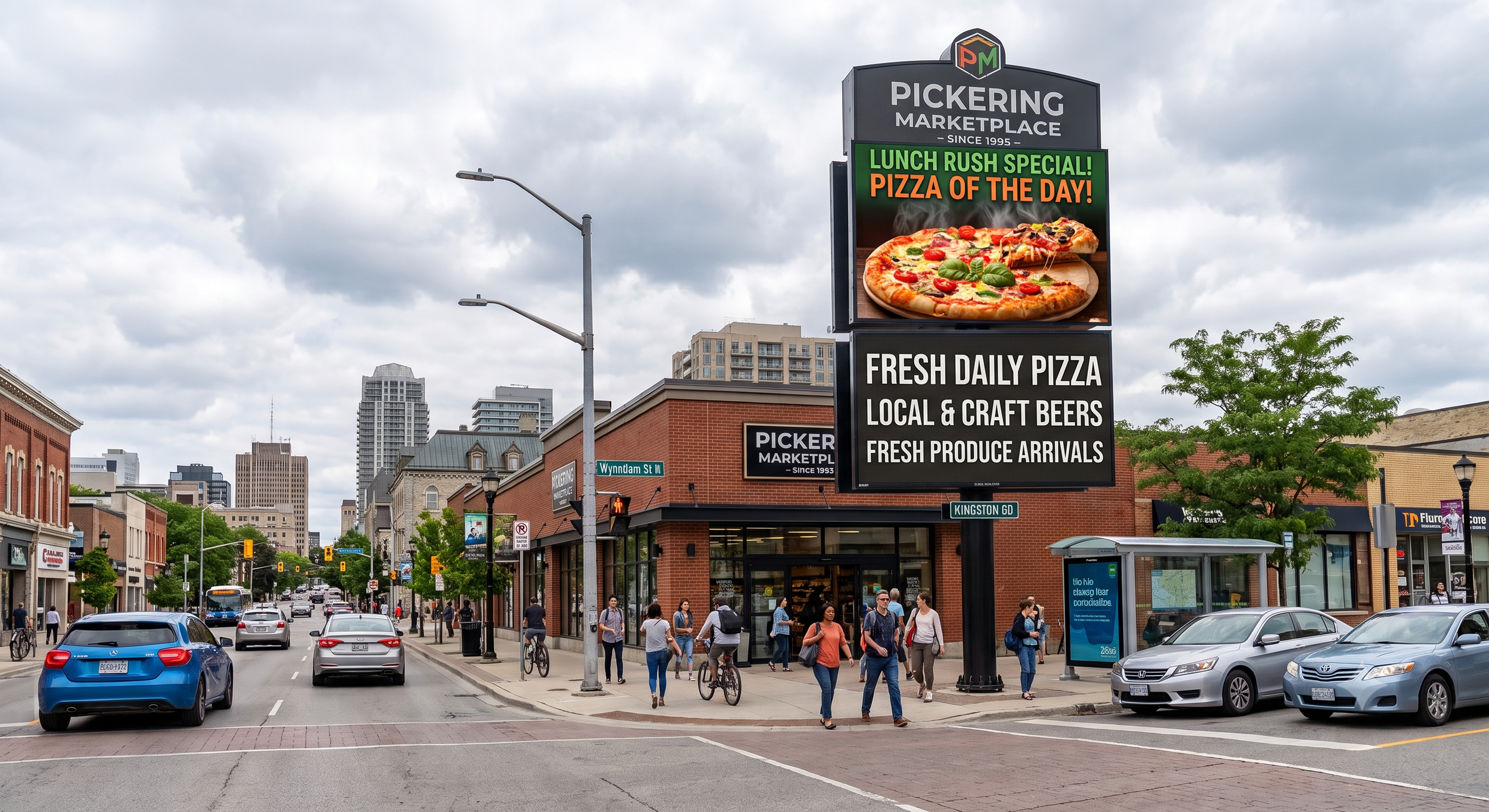
Static signs communicate who you are; dynamic digital message centres (EMCs) communicate what you are offering right now.
The Science Behind It
Data provided by the U.S. Small Business Administration (SBA) indicates that between 20% and 45% of retail purchases are impulse buys made by drivers who had not planned to stop.
Studies on dynamic electronic displays show that businesses updating time-sensitive deals, seasonal specials, or community updates experience sales lift increases ranging from 15% to over 150%.
9. Eliminate Visual Background Clutter
Even a massive sign can fail if it blends into a cluttered environment—such as brick backgrounds, busy window displays, or competing foliage.
The Science Behind It
The Signage Readability Guide emphasizes that background interference degrades text processing speed. Placing primary lettering over busy textures or un-blurred photography reduces readable contrast.
Utilizing solid backing panels or neutral raceways behind channel letters keeps the typography separated from the building facade, maximizing visual pop.
10. Deploy Multiple Strategic Sign Types
Relying on a single wall sign limits your exposure to different customer touchpoints. A complete sign strategy utilizes a mix of primary street identity, architectural accents, and window graphics.
The Science Behind It
According to the FedEx Office Signage Survey, the average consumer expects a professional small business to have two to three distinct signs around its perimeter (e.g., a monument sign at the road, a blade sign over the sidewalk, and entrance window decals).
Studies from the University of California, Berkeley further show that layered signage drives both major planned trips and unplanned impulse stops by maintaining visibility at every approach angle.
Ready to Upgrade Your Business Signage?
Your signage is working for you 24 hours a day, 7 days a week - make sure it’s driving the results your business deserves. Whether you need to update an outdated display, design high-impact LED channel letters, or install a dynamic electronic message centre that captures impulse traffic, AGC Signs is here to help.
With decades of experience crafting custom, high-visibility business signage solutions, our expert team handles everything from initial concept and local permit approvals to professional installation and maintenance.
Transform your storefront and turn passing traffic into loyal customers today.
Come Talk To Us : 860 Brock Rd #8, Pickering, ON L1W 3X3
Give Us a Call: (905) 492-2484
Reach Out Via Email: info@agcsigns.com
“We reached out to Adrian and Rhonda for signage for our new clinic, and they were amazing. We sent over our design and swiftly received a quote and mock-up. They provided excellent customer service and clear communication, high quality work including installation, with a fast turn around time. All during the Holiday season I might add! We will be reaching out to them for all our signage needs and have already recommended them to friends. 5 stars!”
The Best Types of Storefront Signs in Ontario, Sorted by Business
Your storefront sign is often the very first interaction a customer has with your brand. It serves as your 24/7 silent salesperson, working hard to grab attention, establish trust, and drive foot traffic. But because every business footprint is unique, there is no single "perfect" sign. What works beautifully for a high-traffic retail boutique on a pedestrian street won't move the needle for a massive industrial facility situated along Highway 401.
To help you navigate your options, we’ve broken down the Best Types of Storefront signs based on your specific business model, environment, and physical location.
Multi-Tenant Strips & Business Centres (Directory/Plaza Signs)
Late-Night Hotspots & Restaurants (Illuminated & Neon Signs)
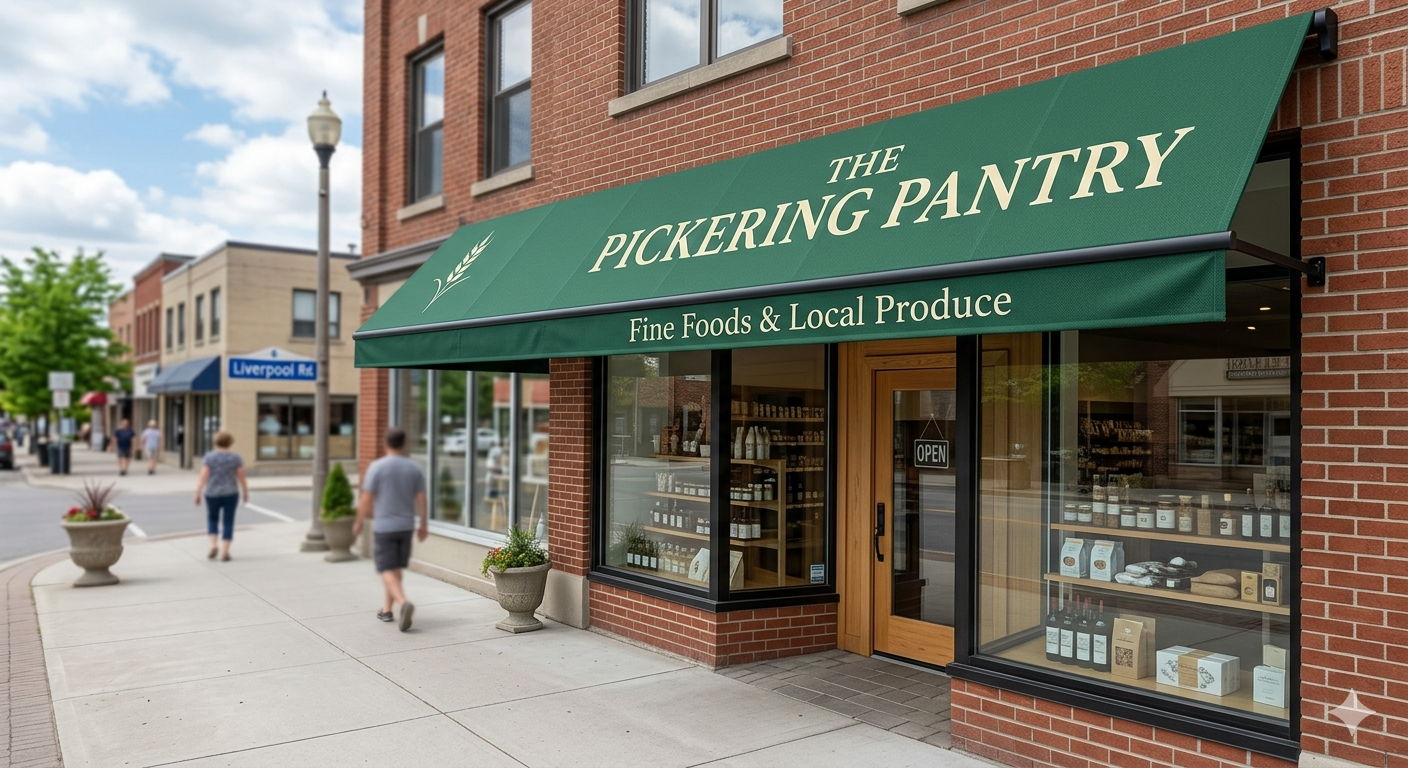
Main Street Boutiques & Small Businesses (Awnings & Window Decals)
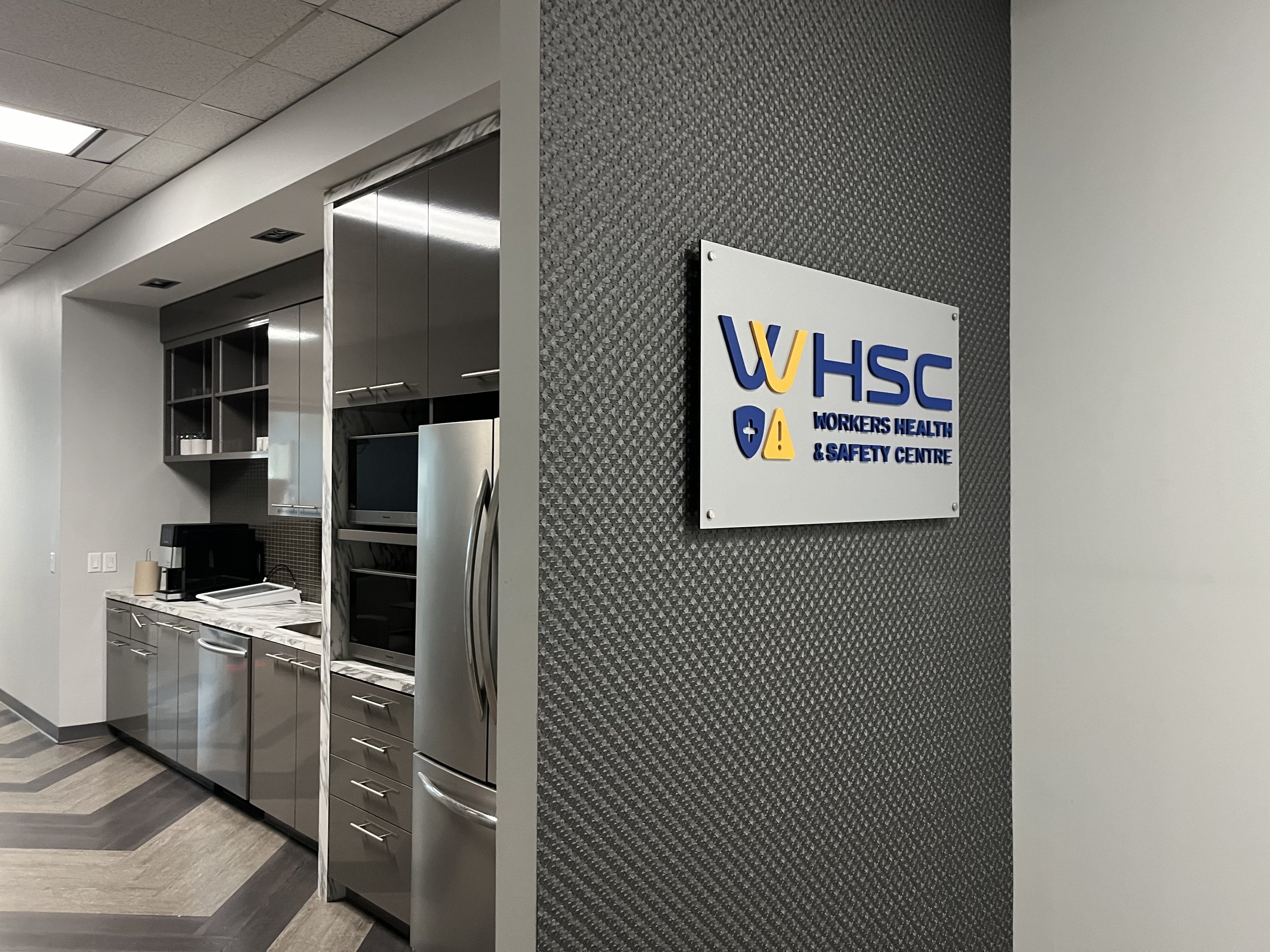
Multi-Level Office Towers (Interior Lobby & Wayfinding Signs)
Choosing the right storefront sign is only half the battle. To make sure your investment stands the test of time, you need a partner who understands the local landscape. Contact us today to get started on your custom sign.
Key Takeaways
Match Signage to Location Speed: High-speed locations (like highways) require high-rise pylon signs, while pedestrian zones demand intimate, high-detail storefront awnings or window decals.
Focus on Local Bylaws: Ontario municipalities have strict, varying regulations regarding illuminated signs, sign heights, and setbacks. Working with a local partner like AGC Signs ensures you navigate these rules seamlessly.
Integrate Indoor & Outdoor Branding: For multi-story or corporate spaces, your outdoor signs should match the design of your interior lobby graphics to create a cohesive brand experience.
1. Highway-Side & Large Industrial Businesses
When your business sits beside a major Ontario freeway, your biggest obstacle is speed. Drivers passing by at 100 km/h only have a few brief seconds to spot your building, read your name, and decide to exit.
The Recommendation: Custom Pylon Signs
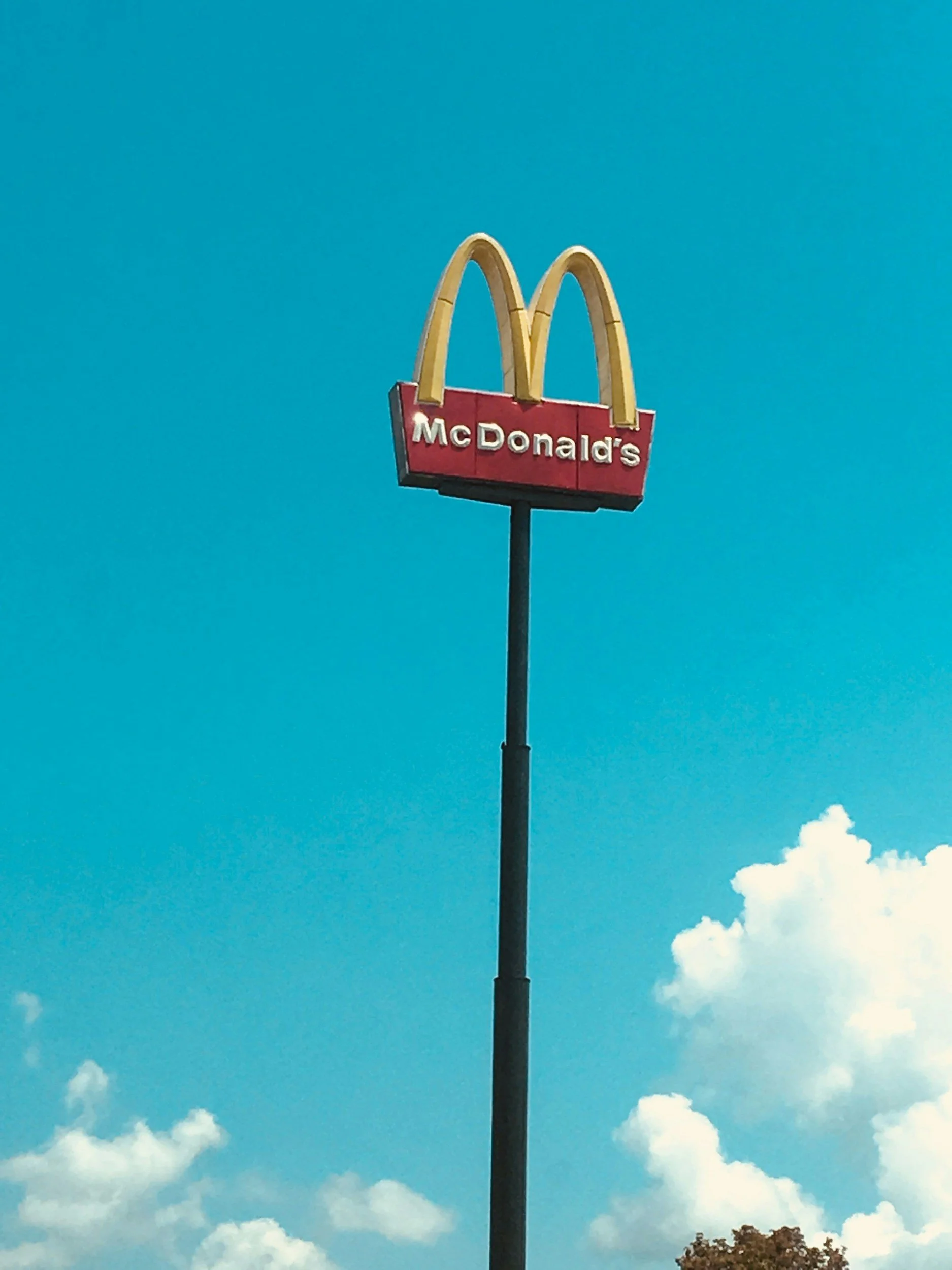
A pylon sign is a freestanding structure supported by one or more tall poles. These signs lift your brand high above surrounding trees, traffic, and adjacent buildings.
For greenhouses, massive warehouses, and industrial parks, a pylon sign acts as a beacon, giving motorists plenty of advance notice to safely exit the highway and navigate to your front doors.
One of the best example of effective pylon signage is the McDonald’s golden arches. If you’re driving down the 401 and your kids spot them you know there will be a request to stop.
2. Multi-Tenant Strips & Business Centres
If your business operates out of a commercial plaza or multi-tenant strip mall, you share physical road real estate with several other brands. Individual storefront signs are crucial, but they don't help customers find the plaza entrance from the main road.
The Recommendation: Modular Plaza & Directory Signs
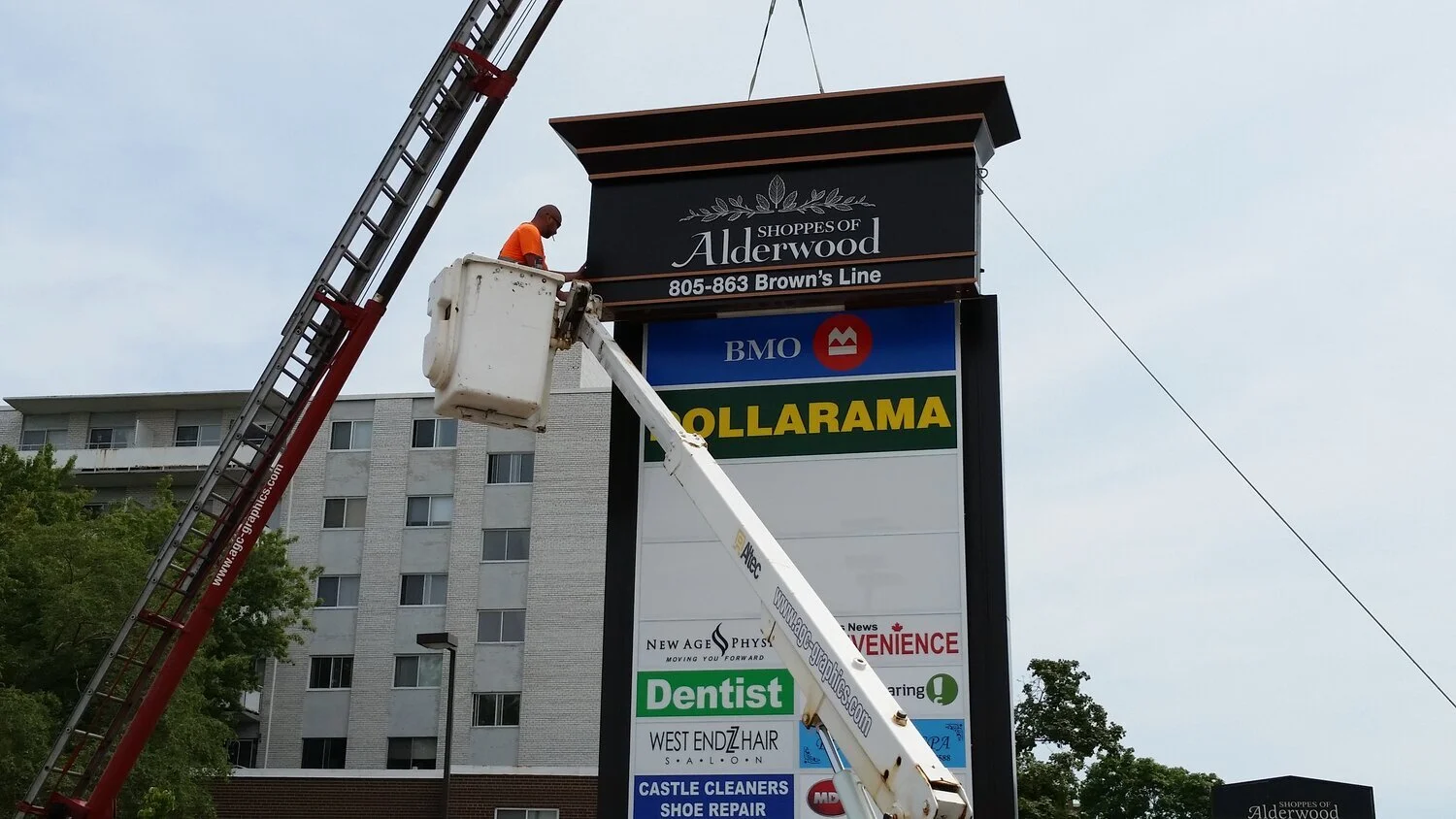
A modular directory sign features multiple removable, illuminated lightboxes stacked on top of one another. It allows every business within the complex to have dedicated brand representation on the street. Because the individual panels are modular, landlords can easily swap out tenant names as the roster changes without replacing the entire physical structure.

3. Late-Night Hotspots & Restaurants
For bars, late-night eateries, comedy clubs, and 24-hour convenience hubs, the sunset shouldn't mean a drop in visibility. You need to radiate warmth and welcome hungry or curious evening travelers.
The Recommendation: Illuminated Channel Letters & Neon Accents
Illuminated signs - specifically individual LED-lit channel letters or custom faux-neon signs - make your storefront pop against the dark night sky. LED illumination is highly energy-efficient, long-lasting, and incredibly bright.
Whether you opt for a classic warm-glow neon look or sleek, modern halo-lit lettering, a bright storefront sign instantly signals to passersby that your doors are open and ready for business.
4. Corporate Offices & Corporate Parks
For corporate headquarters, professional firms, and private business parks, your signage needs to project prestige, stability, and professionalism. You don't need to shout to get noticed; instead, you want to make a classy, permanent statement.
The Recommendation: Stonework or Concrete Monument Signs
Monument signs are low-profile, ground-level structures that typically sit near the entrance of a driveway or landscaped courtyard. Often built from heavy, premium materials like concrete, brick, stone, or architectural metals, they blend perfectly with high-end landscaping.
They tell incoming clients they have arrived at a established, reputable institution.


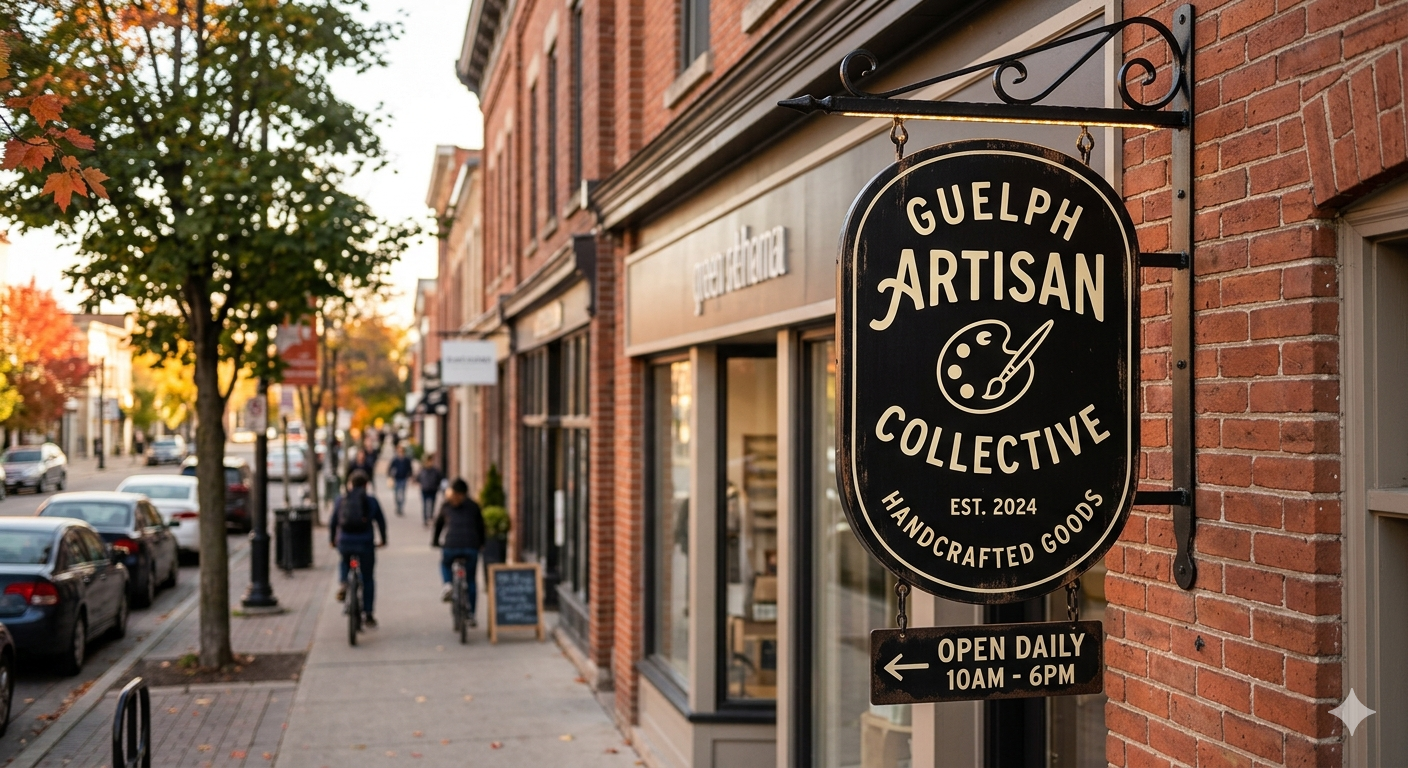
5. Main Street Boutiques & Small Businesses
If your shop is nestled in an intimate, pedestrian-heavy downtown core (like historic parts of Durham Region or the GTA), you are appealing to people walking at a slower pace.
Giant, glowing plastic signs can feel out of place here; instead, you want to invite people inside with charming, human-scale details.
The Recommendation: Custom Awnings paired with Window Decals
A high-quality fabric awning adds vintage charm, offers pedestrians shelter from Ontario weather, and extends your branding out over the sidewalk. Pair this physical shelter with custom, high-contrast vinyl window decals.
Decals let you display essential store info (like hours of operation, accepted payments, or your social handles) right at eye level, transforming your window glass into an active marketing tool.
6. Multi-Level Office Towers
What happens when your storefront isn't actually on the street? If your business operates inside a large, shared high-rise, your "storefront" is your office lobby.
Visitors need to navigate elevators, long corridors, and multiple floors to find you.
The Recommendation: Wayfinding Signs & Dimensional Lobby Graphics
Once a customer enters the main building, they rely entirely on clear interior signs. Help them navigate with clean, branded directional and wayfinding signs.
Once they arrive at your suite, welcome them with dimensional lobby graphics - like acrylic, metal, or wood lettering spelling out your logo behind the reception desk.
This seamless transition from outdoor directions to indoor branding solidifies your professional authority.

Partner with the Experts at AGC Signs
At AGC Signs, we handle the entire process in-house from our Brock Road facility in Pickering, Ontario.
From creative custom design and high-quality fabrication to navigating tricky local municipal bylaws, acquiring the correct permits, and executing professional installation, our experienced team has you covered.
Contact AGC Signs today to discuss your next storefront project and receive a custom quote!
“The team at AGC has been great and we have used them on three projects now. Top quality professional work. Highly recommended.”
How Much Does a Business Sign Cost?
Parking Lot & Outdoor Directional Signs: Guide Customers and Stay Compliant in the Durham Region
While interior wayfinding systems keep foot traffic moving smoothly inside your buildings, your customer experience actually begins the moment a vehicle pulls off the road. For commercial plazas, multi-unit residential buildings, and industrial complexes, high-quality exterior navigation is essential. Investing in robust parking lot signs in Durham ensures safety, streamlines traffic flow, and protects your business from liability.
As property managers, plaza owners, and commercial developers, maintaining a well-regulated exterior is a top priority. Below is a comprehensive guide to the essential outdoor directional signs required to keep your properties safe, efficient, and fully compliant with local Ontario regulations.
Ready to secure your property? Request a professional site assessment from AGC Signs.
Key Takeaways
First Impressions Matter: Effective exterior wayfinding prevents driver frustration, eliminates traffic congestion, and reduces on-site accidents.
Compliance is Mandatory: Accessible parking and traffic control signs must adhere strictly to the Accessibility for Ontarians with Disabilities Act (AODA) and municipal bylaws.
Durability is Key: Outdoor signs must be constructed from commercial-grade, weather-resistant materials to withstand harsh Ontario winters.
1. The Critical Role of Exterior Property Signs
An disorganized parking lot is a liability. Without clear visual cues, drivers become distracted, delivery trucks block vital fire lanes, and pedestrians face unnecessary safety risks.
Strategically placed outdoor directional signs in Oshawa or Whitby and across the GTA solve these common property management headaches.
Clear signage optimizes the use of your available parking space, reduces vehicular gridlock during peak business hours, and establishes clear boundaries regarding private property rules.
2. 5 Essential Types of Outdoor Directional Signage
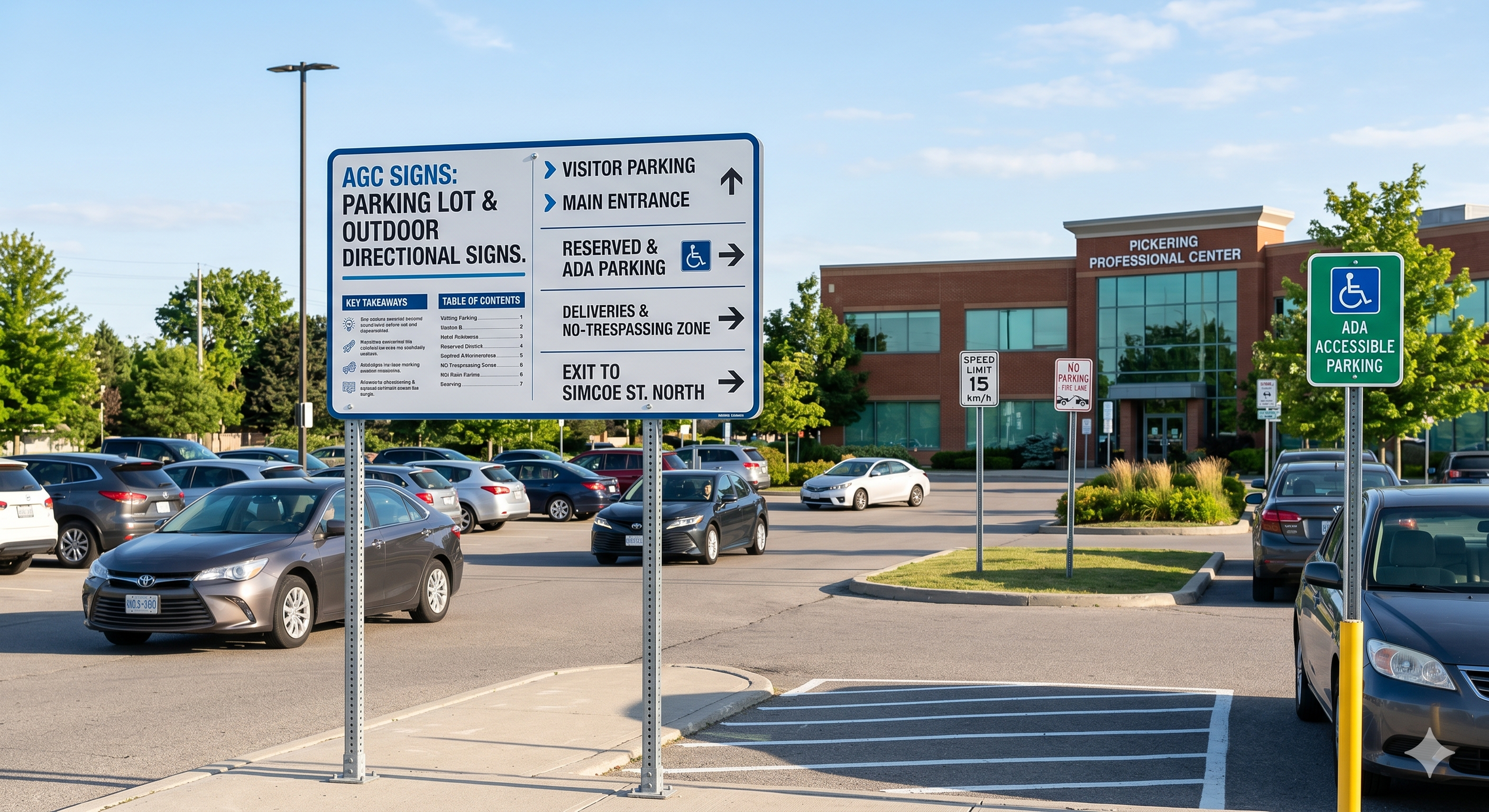
To create a seamless and safe outdoor navigation system, your commercial property requires a balanced mix of specialized signage styles:
1. Parking Lot Signs
Dedicated parking zones maximize space efficiency. Property managers rely on these signs to clearly designate staff-only areas, short-term visitor spaces, tenant-reserved spots, and curbside pickup lanes for retail and restaurant spaces.
2. Entrance and Exit Signs
Eliminate confusion at the property line. High-visibility entry and exit signs prevent dangerous head-on collisions at narrow bottlenecks, directing vehicles safely into the correct traffic lanes from busy regional roads.
3. Traffic Control and Speed Limit Signs
Private properties are still subject to traffic safety principles. Implementing standard stop signs, yield markers, one-way indicators, and explicit speed limit signs (e.g., Maximum 15 km/h) forces motorists to slow down and stay alert.
4. ADA/AODA-Compliant Signs
Accessible parking spaces require standardized, highly visible regulatory signs. Under Ontario law, these markers must meet exact height, color contrast, and symbol specifications to remain legally compliant.
5. No-Trespassing and Private Property Signs
Protect your investments and limit your legal liability. Explicitly posting "Private Property," "No Trespassing," or "Unauthorized Vehicles Will Be Towed" signs gives you the legal backing needed to enforce parking rules and deter unwanted activity after hours.
3. Meeting Accessibility and Municipal Regulations
When installing commercial property signs in Ajax or Pickering, local bylaws and provincial mandates cannot be overlooked. Every municipality across the Durham Region has strict rules governing sign dimensions, structural setbacks, and retroreflective materials for nighttime visibility.
Furthermore, compliance with the Accessibility for Ontarians with Disabilities Act (AODA) is mandatory for commercial developments. Failing to install correct accessible parking signage can lead to steep provincial fines and significant liability risks in the event of an on-site incident.
Partnering with a professional team ensures your layout is designed and installed completely to code.
4. Choosing Commercial-Grade Materials
Exterior signage must endure punishing seasonal elements, from blistering summer heat to freezing winter salt spray.
Choosing Commercial-Grade Materials
Exterior signage must endure punishing seasonal elements, from blistering summer heat to freezing winter salt spray. Selecting the right substrate ensures long-term visibility and protects your property investment.
| Material Type | Ideal Application | Key Benefits |
|---|---|---|
| Heavy-Gauge Aluminum | Parking markers, stop signs, traffic flow | Rust-proof, highly durable, accepts reflective sheeting |
| Alumapanel / ACM | Large property directional maps, entrance markers | Exceptional structural rigidity, sleek modern finish |
| Galvanized Steel Posts | Mounting traffic and regulatory signs | Resists bending, stays anchored securely in heavy winds |
Optimize Your Property with AGC Signs
Designing a compliant, highly visible outdoor wayfinding system requires professional oversight.
From navigating complex local municipal permits to executing secure, poured-concrete post installations, handling the process end-to-end demands specialized expertise.
AGC Signs is the trusted, full-service partner for property managers and developers across the Durham Region.
Based locally in Pickering, our experienced team manages your entire project in-house - including custom graphic design, durable local manufacturing, permit handling, and secure on-site installation.
“Great craftsmanship but even better service. Quick responses and fabrication time! Will for sure be using them in the future!”
Fleet Wraps for Business - Turn Your Vehicles into Moving Billboards in Durham Region
For local businesses operating multiple vehicles, every delivery run, service call, and commute is a missed marketing opportunity if your vehicles remain unbranded. Managing a fleet means you already own the most valuable advertising real estate in your service area.
Transforming those vehicles into high-impact moving billboards allows you to generate massive local brand awareness effortlessly.
AGC Signs designs, manufactures, and installs premium commercial fleet wraps in Durham Region, turning your everyday operations into a non-stop lead-generation engine across Southern Ontario.
Designed for Impact: Serving Key Industries in Durham Region
Maintaining Design Consistency Across Diverse Fleet Vehicles
Ready to transform your business vehicles? Request a free custom fleet wrap consultation today.
Key Takeaways
Highest ROI: Fleet advertising offers the lowest cost-per-impression (CPI) of any major marketing medium, working 24/7 without recurring monthly fees.
Scalable Consistency: Professional design ensures a unified brand identity across varied vehicle types, from commercial trucks to delivery vans.
End-to-End Local Expertise: AGC Signs handles everything in-house from our Pickering facility - including custom design, local permit planning, precise fabrication, and expert installation.
1. The Unrivaled ROI of Fleet Advertising
Traditional advertising mediums require continuous, recurring payments to keep your message active. Print ads are discarded, radio spots end in seconds, and digital pay-per-click campaigns stop generating leads the moment your daily budget runs out.
Investing in high-quality fleet wraps in Durham Region requires a single upfront payment and delivers continuous marketing value for up to five to seven years.
Cost-Per-Impression Breakdown
Out-of-home (OOH) marketing metrics consistently rank vehicle graphics as the single most efficient form of local advertising.
| Advertising Medium | Estimated Cost-Per-Impression (CPI) | Longevity & Exposure |
|---|---|---|
| Fleet Vehicle Wraps | A fraction of a cent | 24/7 exposure for 5–7 years |
| Local Billboards | Moderate to High | 4-week flight cycles with recurring rental fees |
| Digital Ads (Google/Meta) | High (Pay-per-click) | Disappears instantly when the budget runs dry |
| Newspaper & Print | High | Single-use visibility with declining readership |
2. Designed for Impact: Serving Key Industries in Durham Region
Different business models demand distinct functional and visual layouts. AGC Signs creates high-impact corporate layouts tailored to the operational realities of multiple regional industries requiring durable fleet wraps in Durham Region:
Trades Companies (Plumbers, Electricians, HVAC): Turn residential service calls into neighborhood lead generators. When homeowners see a clean, professional commercial truck wrap parked next door, it builds instant credibility and local trust.
Delivery & Logistics Businesses: Frequent stops and high mileage mean maximum exposure. Optimized typography ensures your brand name, web address, and core services are easily readable by drivers and pedestrians alike.
Contractors & Renovation Crews: Large-scale commercial truck wraps and trailer graphics provide an ideal canvas to showcase crisp, high-resolution project photography and clean branding on busy job sites.
Franchises: Maintain strict adherence to corporate brand guidelines across a decentralized regional fleet, ensuring every vehicle matches national visual compliance standards perfectly.


3. Maintaining Design Consistency Across Diverse Fleet Vehicles
A major challenge in fleet management is applying cohesive branding across a mixed inventory of vehicles. Your fleet might include a combination of compact delivery vans, half-ton pickup trucks, full-sized cargo vans, and heavy-duty utility trailers.
An identical graphic layout forced onto different vehicle body shapes will look distorted, unaligned, or unprofessional.
When executing coordinated fleet wraps in Durham Region, our expert designers template every vehicle precisely, adjusting visual assets dynamically to maintain optical consistency:
Scale and Alignment: Adjusting logo sizes and contact information so they sit naturally around factory body lines, door handles, and fuel caps.
Strategic Partial Visuals: Implementing partial wraps or spot graphics to achieve a unified appearance, ensuring a cube van and a standard sedan look undeniably part of the same corporate identity.
Color Matching Accuracy: Utilizing advanced, color-calibrated digital printing technology so your corporate color palette matches identically across every vehicle, regardless of production date.
4. The AGC Signs Professional Fleet Wrap Process
We manage the entire lifecycle of your project directly from our state-of-the-art Pickering facility, providing seamless project management and rigorous quality control for all corporate fleet wraps in Durham Region.
1. Custom Strategy & Design Consultation
We begin by auditing your current fleet inventory, brand goals, and target demographic. Our designers build precise digital mockups over your specific vehicle makes and models, allowing you to see exactly how your branding flows along the body panels before a single piece of vinyl is cut.
2. Premium In-House Production
Using top-tier, industrial-grade cast vinyl and UV-resistant protective laminates, we manufacture your graphics in-house. This heavy-duty material withstands the harsh Canadian elements - resisting fading from UV rays, salt corrosion, and flying road debris.
3. Certified Precision Installation
Our professional installation technicians utilize specialized facilities and tools to securely apply each panel. We carefully prep every vehicle surface to ensure smooth, bubble-free adhesion that eliminates peeling at edge seams and deep body contours. We coordinate installation timelines around your operational downtime to keep your business moving smoothly.

Maximize Your Local Reach Today
Stop driving unbranded vehicles and letting potential local clients pass you by. Partner with the trusted local sign experts who have spent over a decade helping businesses build dominant brand presences throughout Southern Ontario.
Whether you need a cohesive fleet of commercial truck wraps in Ajax, durable fleet vehicle wraps in Oshawa, or high-impact fleet graphics in Durham Region, AGC Signs delivers exceptional craftsmanship from concept to completion.
Schedule Your Fleet Consultation
Contact the AGC Signs team today to discuss your fleet goals, review material specs, and get a comprehensive quote.
Phone: (905) 492-2484
Email: info@agcsigns.com
“AGC Signs did a great job and the price was competitive - actually less expensive than other companies that I got quotes from. They kept me up-to-date with the project and I am really pleased with their work. I would definitely use their services again.”
Illuminated & Backlit Signs Durham Region: Keep Your Business Visible Day and Night
When the sun sets over the Kingston Road corridor or the bustling streets of downtown Oshawa, your business shouldn’t fade into the background. In a competitive marketplace, standing out requires 24/7 visibility. Standard, non-lit signage loses its power the moment night falls or a gloomy winter afternoon rolls in.
High-impact, building-mounted illuminated business signs in Oshawa, Pickering, and the wider Durham Region ensure your storefront remains a beacon for foot traffic and passing vehicles, keeping your brand working around the clock.
Contact us today to request a custom quote for your illuminated business sign.
Key Takeaways
24/7 Marketing Power: Building-mounted illuminated signs turn your dark storefront into an active, round-the-clock billboard that builds brand equity even when doors are locked.
Low-Voltage Efficiency: Modern architectural signage relies on eco-friendly LEDs, slashing energy costs compared to traditional neon or fluorescent boxes while lasting up to 100,000 hours.
Tailored to Brand Identity: From high-end, elegant "halo" lighting for premium clinics to crisp, high-impact channel letters for retail, there is a physical structure to match every brand aesthetic.
Local Compliance Matters: Proper architectural sign fabrication ensures strict alignment with specific Durham Region, Oshawa, and Pickering municipal bylaws regarding brightness and wind-load engineering.
1. Architectural vs. Digital: Understanding the Difference
It is important to clarify what architectural illuminated signage is - and what it isn't.
This isn't about flashing, scrolling LED message board signs or digital animation screens. Instead, we focus on permanent, building-mounted architectural signage.
These signs are engineered directly into your building’s facade or structural entryways. They offer a premium, clean, and cohesive look that integrates seamlessly with your corporate branding and local municipal bylaws, establishing a professional and enduring street presence.
2. Types of Illuminated & Backlit Signage
Choosing the right signage depends entirely on your brand's aesthetic and visibility goals. Here are the four primary building-mounted configurations used by businesses today:
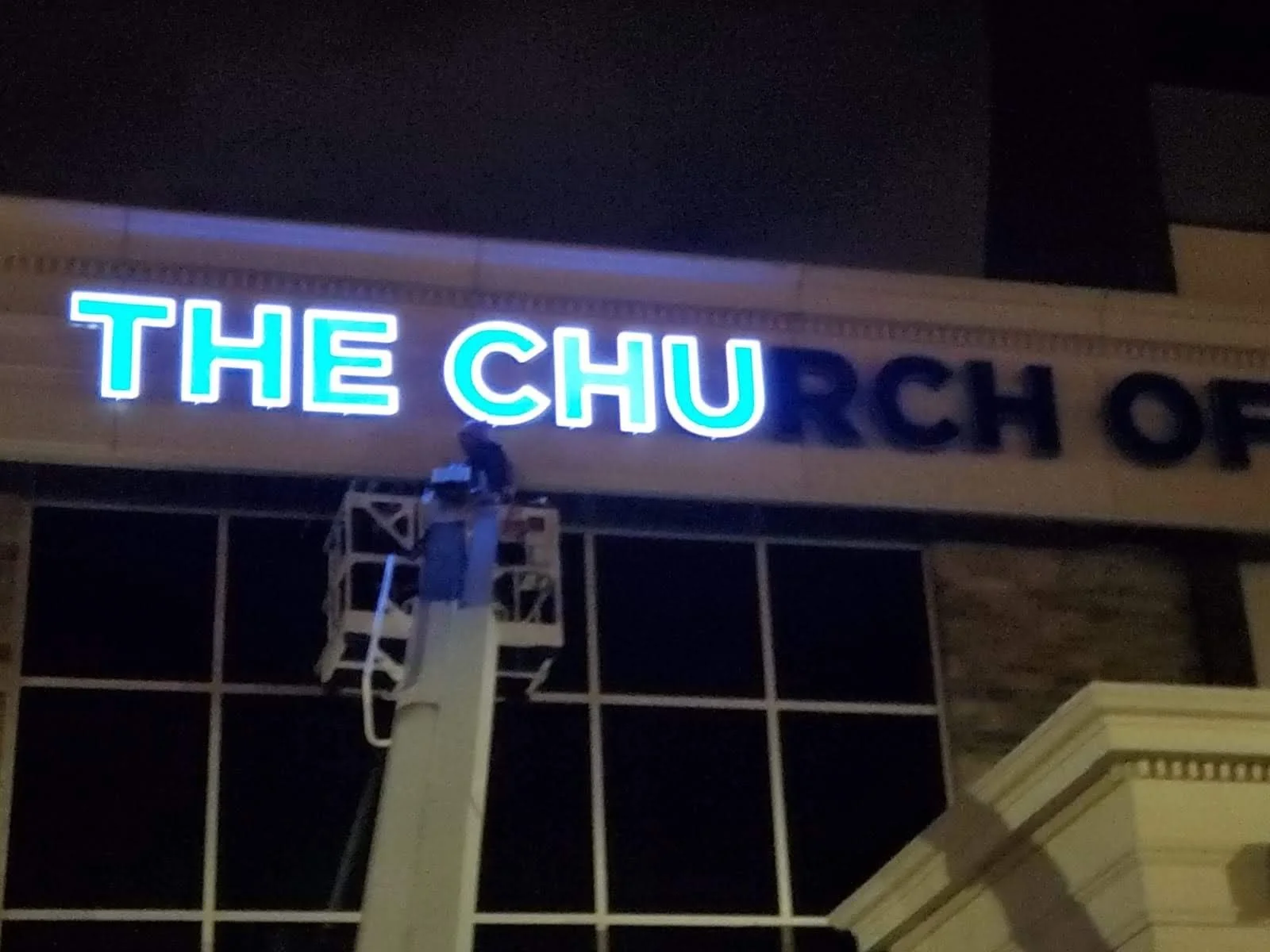
1. Backlit Channel Letters
Often considered the gold standard for modern retail and corporate storefronts, channel letters are individual, three-dimensional structures fabricated from aluminum and acrylic. Each letter is internally illuminated by highly efficient, low-voltage LED modules. They offer a sharp, crisp profile that can be seen clearly from great distances, making them excellent for high-density commercial strips.
2. Halo-Lit (Reverse-Lit) Letters
For premium brands looking to convey sophistication, halo-lit letters are an exceptional choice. Rather than emitting light through the front face, these opaque metal letters are mounted slightly off the wall on spacers. The LEDs are directed backward, splashing light against the building facade to create a soft, elegant "halo" glow around the text. This style reduces harsh glare and light bleed, making it ideal for upscale districts or medical practices.
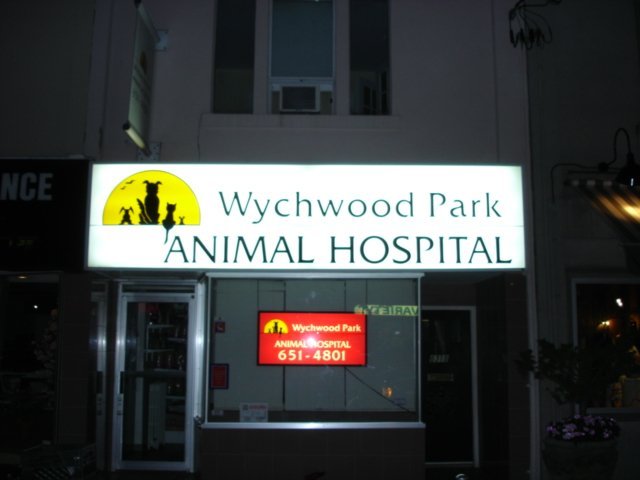
3. Lightbox Signs
Traditional yet highly effective, lightbox signs consist of a durable aluminum frame enclosing a translucent acrylic or polycarbonate face. Your custom brand graphics and typography are applied directly to the face, which is completely illuminated from within. Lightboxes offer an incredibly cost-effective way to display complex logos, vibrant brand colours, and detailed text over a large surface area.
4. LED Cabinet Signs
Built for durability and industrial-strength performance, LED cabinet signs utilize a heavy-duty routed aluminum face. Letters or logos can be "pushed through" the routed openings using thick, dimensional acrylic. This creates a striking architectural look where only the specific branding elements glow, while the rest of the structural cabinet remains dark.


3. The Ultimate ROI: Why Being Visible Matters
Investing in high-quality architectural signage delivers an immediate and continuous return on investment (ROI), particularly for businesses operating in high-traffic zones or during evening hours.
Here’s how that might look for your industry:
Restaurants & Hospitality: In the food and beverage industry, the dinner rush happens entirely in twilight or darkness for half the year. A glowing storefront acts as a physical call-to-action for hungry drivers and pedestrians.
Retail Stores: Even when your doors are locked for the night, backlit signs in Durham keep marketing your business to late-night commuters. It transforms your storefront into an active billboard, building top-of-mind awareness so consumers remember you when they are ready to shop.
Healthcare & Essential Services: For medical clinics, pharmacies, and urgent care facilities, clear illuminated signs are a matter of accessibility. They provide crucial peace-of-mind, allowing patients in stressful situations to locate your facility instantly from the roadside after hours.
Local Compliance and Longevity
Modern architectural signs have completely abandoned high-maintenance, fragile neon glass and energy-guzzling fluorescent tubes. Today’s commercial systems rely on low-voltage LED systems that offer immense benefits:
Energy Savings: LED systems cut electrical consumption by a massive fraction compared to traditional lighting, keeping your monthly utility bills low.
Extreme Lifespan: Commercial-grade LEDs are engineered to last between 50,000 and 100,000 hours, resulting in years of maintenance-free operation.
Bylaw Alignment: Whether you are establishing a shop along the lake in Pickering or navigating the specific regional sign bylaws of Whitby and Oshawa, custom fabrication ensures your sign meets structural wind-load engineering and local illumination limits.

Ready to Elevate Your Storefront?
Don't let your business disappear when the sun goes down. Let's design a brilliant, weather-sealed, and compliant architectural signage solution that proudly represents your brand night and day.
Request our business sign calculator and get a custom quote for your illuminated business sign today!
“Extremely impressed with the service at AGC Signs. The staff was personable, professional , they answered all my questions in a timely manner. My signs were exactly what I wanted and timing was impeccable. I Highly recommend.”
Custom Vinyl Lettering and Decals in Durham Region
For independent retailers, startup service providers, and small businesses navigating the competitive landscapes of Pickering, Ajax, Whitby, and Oshawa, managing marketing overhead is critical. Traditional architectural signs are exceptional structural investments, but establishing immediate visual authority shouldn't require a prohibitive budget.
High-grade vinyl lettering and decals in Durham Region offer an agile, high-performance alternative. This versatile medium allows businesses to transform standard surfaces - like plain storefront windows, delivery vans, or bare interior office walls - into premium brand billboards. It effectively bridges the gap between clean professionalism and strict budget management.
To transform your storefront, vehicles, or walls, contact AGC Signs for a free design consultation and quote.
Key Takeaways
Highly Cost-Effective: High-quality vinyl graphics deliver maximum local visibility with a minimal upfront investment.
Incredible Versatility: Seamlessly applies to storefront glass, vehicle fleets, interior drywall, and commercial equipment.
Non-Permanent & Durable: Built to withstand harsh Ontario winters, yet clean and easy to remove or update when branding changes.
Fast Turnaround: Custom designed, precision cut, and professionally installed rapidly compared to traditional physical structures.
1. Versatile Applications: Where to Use Custom Vinyl Decals
Precision-cut commercial vinyl isn’t restricted to simple window hours. Modern material options expand your design footprint across a massive variety of physical surfaces:
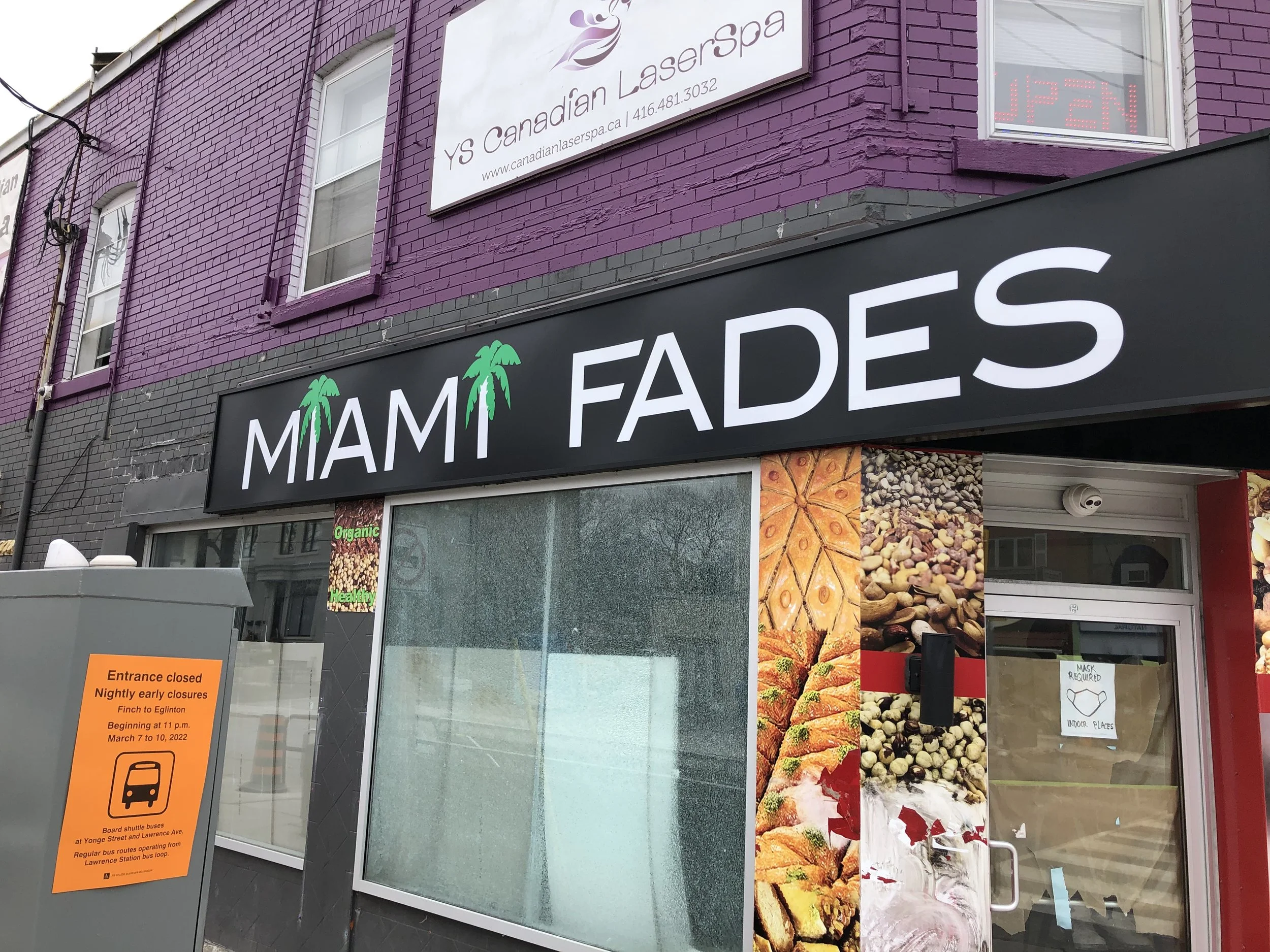
Storefronts & Windows
Your main storefront window is prime real estate. Clean, professionally installed storefront lettering in Oshawa storefronts or Whitby boutiques ensures your retail location looks credible and premium.
Instead of cluttered, taped-up paper flyers or cheap handwritten markers, custom vinyl showcases store hours, active payment methods, and prominent web URLs cleanly and uniformly to capture local foot traffic.
Commercial Vehicles
Turn your delivery vans, trucks, or trailers into mobile marketing machines.
Applying custom vinyl decals in Durham to your fleet vehicles generates thousands of local impressions daily while your team is on the road or parked at job sites across the region.
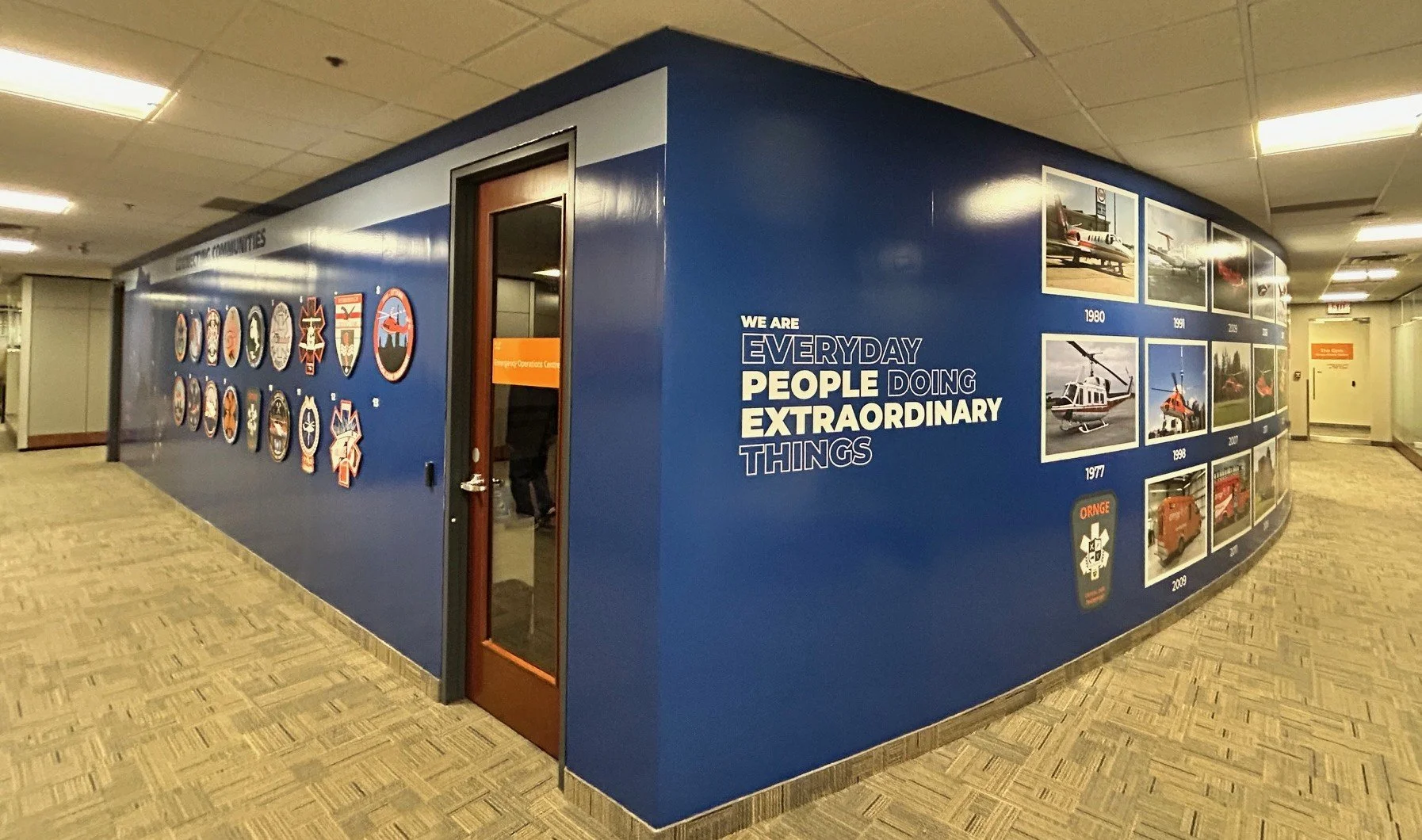
Interior Office & Retail Walls
Sometimes the best place to communicate is inside.
Vinyl lettering can be utilized to display corporate core values, motivational team quotes, or clean accent branding over reception areas without the need for heavy structural framework.
Equipment & Assets
For industrial, construction, or trade businesses, vinyl lettering acts as a robust tool for asset tagging, safety warnings, and displaying company contact details directly on heavy machinery, protecting your assets while keeping your brand highly visible.

2. The Big Benefits of Vinyl Signs for Business
Selecting vinyl signs for business optimization brings unique structural benefits that alternative signage models simply cannot match:
Vibrant, High-Resolution Custom Printing: Modern commercial plotters and printers cleanly produce deep, rich colour palettes, exact gradients, and razor-sharp text paths, accurately matching your corporate brand standards.
Easy, Clean Application & Stress-Free Removal: Premium business vinyl bonds aggressively to flat surfaces, standing up reliably to moisture, sunlight, and wear. When a lease concludes, a seasonal promotion finishes, or your business rebrands, the vinyl can be removed safely without damaging the underlying glass or paint.
Minimal Financial Overhead: Vinyl offers arguably the highest return on investment (ROI) in the print signage sector, presenting almost zero ongoing maintenance or energy overhead costs.
3. Maximizing Visual Impact: Design Tips for Success
To ensure your custom vinyl performs beautifully, focus closely on contrast and readability.
When applying lettering to exterior windows, remember that dark glass panels naturally absorb darker text colors.
White, metallic silver, or bold yellow vinyl lettering delivers far superior legibility from the street, remaining highly readable even on bright, sunny days.
Additionally, avoid over-cluttering your space.
Keep text layouts focused entirely on your core messaging: your company logo, a concise tagline, your main contact number, or store hours.
White space surrounding your vinyl lettering draws the eye naturally to your message, rather than confusing incoming traffic.

Elevate Your Durham Brand with AGC Signs
Maximizing your local marketing presence shouldn't break your budget.
AGC Signs is proud to partner with Durham Region businesses to deliver premium, locally manufactured, and expertly installed vinyl graphics tailored explicitly to your commercial goals.
Ready to transform your storefront, vehicles, or walls? Contact AGC Signs today for a free design consultation and quote!
“AGC Signs installed three signs at our new office in Oshawa. Professional, courteous and beautiful signs (day and night). Thanks AGC!”
Professional Lobby and Reception Signs in Durham Region
When a client walks through your doors in Pickering, Ajax, Whitby, or Oshawa, the first thing they see shouldn't just be a desk and a chair. It should be a statement. Lobby and reception signs in Durham Region serve as the visual handshake of your business, setting the tone for every interaction that follows.
At AGC Signs, we understand that interior business signs are more than just decor—they are essential tools for brand storytelling and professional credibility. Contact us today for a free quote.
Key Takeaways
Brand Authority: High-quality lobby signs instantly establish professionalism and trust.
Customization: Options range from sleek acrylic to high-impact backlit LED logos.
Local Impact: Strategically designed interior signs help Durham Region businesses stand out in a competitive market.
Expert Design: AGC Signs provides end-to-end service from consultation to professional installation.
1. The Power of the First Impression: Why Your Lobby Signage Matters
The first ten seconds a visitor spends in your office are the most critical. This brief window is when environmental psychology takes over; before a single word is exchanged with your staff, a client has already formed an unconscious opinion about your company’s reliability, success, and attention to detail.
A Visual Handshake
Think of your office reception signs as a visual handshake. A flimsy, poorly lit, or outdated sign suggests a business that might cut corners. Conversely, a high-quality, custom-designed logo sign conveys a message of stability and permanence.
It tells your visitors that you are an established fixture in the community - whether you are located in a corporate tower in Pickering or a creative boutique in Whitby.
Setting the Psychological Tone
The atmosphere of your lobby dictates the flow of the entire meeting. When a space is anchored by professional interior business signs, it creates an anchor point for the room. This does more than just decorate; it:
Validates the Client’s Choice: Seeing a prominent, professional sign confirms to the client that they have arrived at the right place and are in capable hands.
Boosts Employee Pride: First impressions aren't just for outsiders. Walking past a sharp, backlit logo every morning instills a sense of pride and belonging in your team, reinforcing the company’s identity from the inside out.
Communicates Quality Standards: If you care enough to invest in premium dimensional letters or sleek acrylic panels for your walls, a client naturally assumes you will bring that same level of care to the services you provide them.
Utilizing high-impact custom signs ensures that your home-court advantage is felt the moment the elevator doors open or the front door swings wide.

2. Popular Types of Reception Signs
Every brand has a unique voice, and your signage should reflect that.
Here are the most effective custom lobby signs we offer:
1. Dimensional Letters
Dimensional letters (often called 3D signs) provide depth and character. They can be crafted from metal, plastic, or foam and mounted directly to the wall for a clean, sophisticated look.
2. Acrylic Signs
For a modern and airy feel, acrylic panels are a top choice. These can be frosted, clear, or coloured, often mounted with elegant metal standoffs that make the sign pop off the wall.
3. Backlit and Illuminated Logos
If you want to make a bold impact, backlit signs use LED technology to create a halo effect around your logo. This is particularly effective for high-end corporate offices or tech firms.
4. Wall Graphics and Murals
Sometimes the best sign is the wall itself. Custom vinyl wall graphics can turn a plain hallway into a vibrant brand experience, showcasing your company history or mission statement.


3. choosing the Right Style for Your Brand
Selecting the right signage isn't just about aesthetics; it’s about alignment.
Your interior business signs in Durham act as a silent spokesperson for your company's values. To choose the right style, you must consider the personality of your brand and how different materials and textures communicate that message to your visitors.
Matching Materials to Your Industry
The materials you choose carry inherent psychological weight.
Here is how different sectors typically approach custom lobby signs:
Corporate, Legal, and Financial: These industries often prioritize a sense of permanence and authority. Dimensional metal letters (such as brushed stainless steel or brass) are excellent choices here. They suggest a legacy of stability and a solid foundation that clients look for when trusting someone with their legal or financial future.
Tech and Innovation: For companies in the burgeoning tech sectors of Ajax or Oshawa, backlit LED signs and acrylic panels are the gold standard. These materials feel forward-looking and clean. A logo that glows with a crisp halo effect suggests a company that is modern, energetic, and working at the cutting edge.
Health, Wellness, and Spas: In environments where the goal is to lower the visitor's heart rate, frosted acrylics and soft, rounded fonts work best. Using standoffs - the small metal spacers that hold a sign off the wall - adds a layer of depth and transparency that feels light, airy, and welcoming.
Considering Your Physical Environment
The architecture of your Durham Region office should also dictate the style of your office reception signs.
Lighting: Does your lobby have harsh overhead fluorescent lights or plenty of natural sunlight? Backlit signs can help pop in darker corners, while high-polish metal might create unwanted glare in a sun-drenched room.
Wall Texture: A sleek acrylic sign provides a beautiful contrast against a rugged brick wall, whereas a minimalist dimensional letter set might be the perfect complement to a clean, white modern gallery-style wall.
Color Palette: Your signage is the best place to showcase your brand colors, but it must also harmonize with your office decor. We often recommend using brand-adjacent colors or metallic finishes if your primary brand colors clash with the existing interior paint.
The AGC Design Philosophy
At AGC Signs, we don’t believe in a one-size-fits-all approach. During our consultation, we look at your logo, your space, and your target demographic to recommend a combination of materials that creates a unique, multi-dimensional look.

Elevate Your Space with AGC Signs
Your office deserves a look that reflects the quality of your work.
AGC Signs has been the trusted partner for businesses across the Durham Region for years, providing expert design, local manufacturing, and seamless installation.
Ready to transform your entryway?
Contact AGC Signs today for a free design consultation and let’s create a lobby sign that speaks volumes about your business.
“Great customer service from AGC Signs and the team, and a high quality sign done for tradeshow displays.”
Canadian Signage Industry Statistics & ROI Resource Hub (2026)
Window Graphics & Privacy Film: Elevate Your Business in Toronto
First impressions are everything. In a bustling city like Toronto, your storefront or office windows are more than just glass - they are a canvas for your brand and a tool for your comfort. Whether you are looking to boost your street-side visibility or create a more focused work environment, window graphics and privacy film offer a sophisticated, cost-effective solution.
From high-traffic retail hubs to quiet corporate suites, the right window treatment balances bold branding with essential functionality.
Click on each of these links to learn more:
Contact AGC Signs today for a professional site assessment.
Key Takeaways
Dual-Purpose Design: Window films serve as both a high-impact marketing tool and a practical solution for privacy and glare control.
Cost-Effective Rebranding: High-quality graphics offer a premium "etched" look at a fraction of the cost of physical glass sandblasting.
Performance Engineering: Modern films block up to 99% of UV rays, protecting both your staff’s eyesight and your interior assets from solar damage.
Non-Permanent Versatility: Professional-grade vinyl is rated for 5–7 years but can be removed cleanly, making it ideal for leased commercial spaces.
1. The Visual Impact of Branding on Glass
In the competitive landscape of Toronto, your facade is your most valuable silent salesman. Decorative window graphics do more than just display a name; they tell a story of professionalism and attention to detail.
By utilizing the vertical real estate of your storefront, you can create a cohesive brand experience before a customer even walks through the door. High-resolution digital printing allows for gradient effects, photorealistic imagery, and intricate patterns that turn a plain glass pane into a sophisticated architectural feature.
For interior offices, these graphics reinforce company culture and brand colours, creating a sense of place that boosts employee morale and impresses visiting clients.
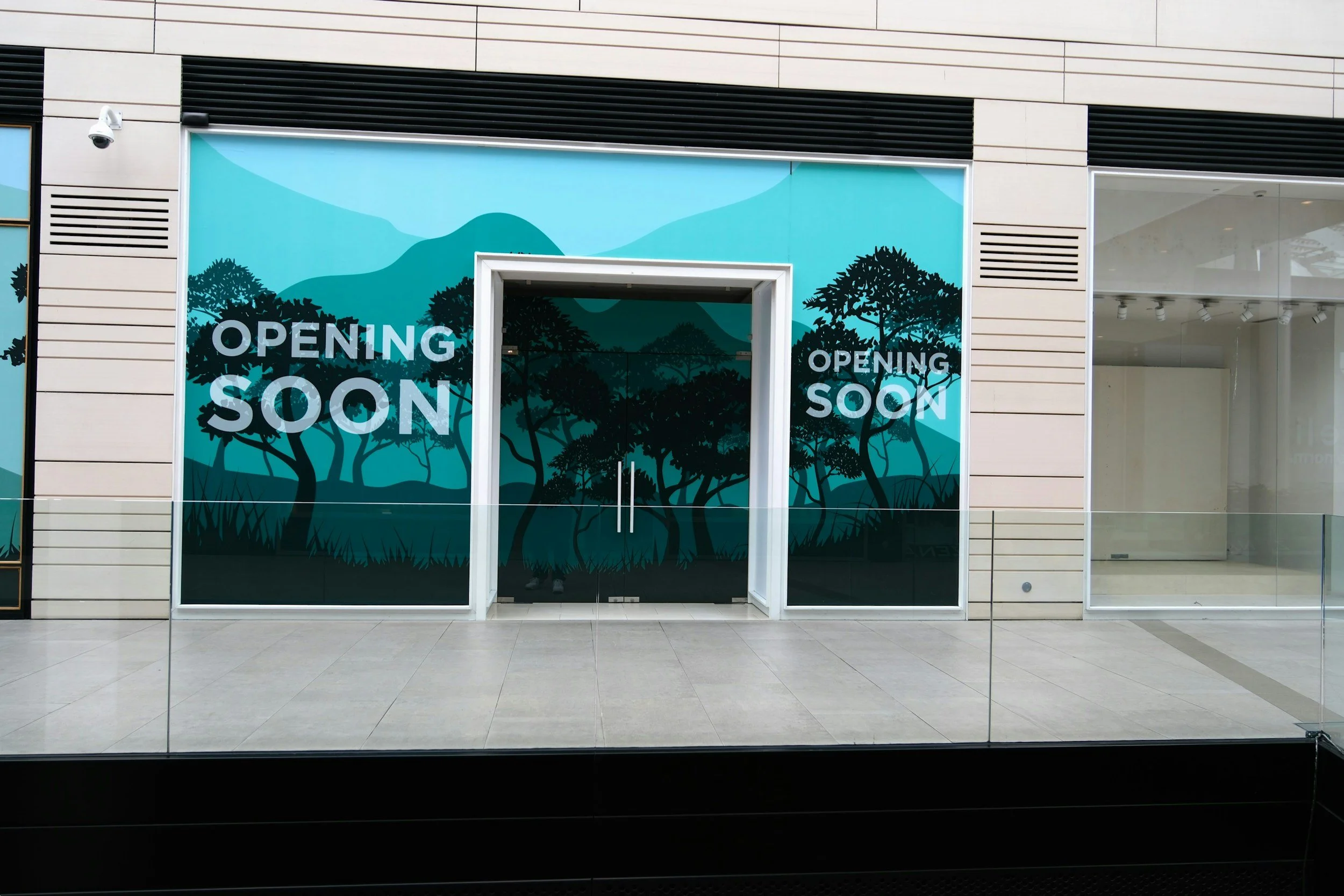
2. Functional Benefits: Privacy, Glare, and Efficiency
While the aesthetic appeal is obvious, the functional performance of office privacy film is what provides the long-term ROI.
Privacy Without Isolation
Open-concept offices often suffer from fishbowl syndrome. Frosted glass signs and films allow you to obscure sightlines into sensitive areas—like HR offices or boardrooms—without sacrificing the flow of natural light. This maintains an airy, collaborative feel while meeting confidentiality requirements.
Glare Reduction & Productivity
Direct sunlight can make computer screens unreadable and workspaces uncomfortably hot. Our films act as a thermal barrier, diffusing harsh light and reducing the "hot spots" that typically plague south-facing offices.
Asset Protection
UV radiation is the primary cause of fading for carpets, artwork, and office furniture. Implementing a high-quality window film significantly extends the life of your interior investments by filtering out damaging wavelengths.
3. Understanding Material Science and Coverage
Choosing the right material is a balance of light transmission and visibility needs.
| Material Type | Visual Property | Primary Business Application |
|---|---|---|
| Frosted / Etched | Translucent | Privacy: Ideal for conference rooms, glass partitions, and boardrooms. |
| Perforated Vinyl | One-Way Vision | Storefronts: Full-color branding while maintaining an outward view. |
| Opaque Vinyl | Solid / Blocked | Wayfinding: Hours of operation, directional signs, and solid logos. |
| Dichroic Film | Color-Shifting | High-End Retail: Dynamic, multi-color effects that change with the viewing angle. |
4. The Professional Installation Process
An authoritative finish requires more than just sticking a decal on a window.
Our professional installation ensures a bubble-free, edge-to-edge finish that stands the test of time.
Site Survey & Measurement: We use laser measurements to ensure your graphics fit perfectly, accounting for gaskets and hardware.
Surface Decontamination: We use industrial-grade cleaners to remove oils, dust, and microscopic debris that cause premature peeling.
Squeegee Technique: Using specialized tools, our installers manage the "tack" of the adhesive to ensure a flat, uniform bond.
Edge Sealing: Proper trimming prevents the vinyl from lifting at the corners, ensuring your investment remains pristine through Canadian winters and high-traffic cleaning.
5. Maintenance and Durability FAQs
How long do window graphics last in a city like Toronto?
Our premium vinyls are engineered to withstand the freeze-thaw cycles of the Ontario climate. Expect a lifespan of 5 to 7 years for exterior applications and 10+ years for interior films.
Does window film require special cleaning?
No, but it does require gentle cleaning. Avoid ammonia-based cleaners (like standard Windex), which can break down the adhesive over time. A simple solution of water and a drop of dish soap with a microfiber cloth is all you need to maintain clarity.
Is it easy to update my branding later?
Yes. Unlike paint or acid etching, window film is "removable with heat." We can professionally strip the old film without leaving a trace of residue, allowing your business to pivot its marketing or branding whenever necessary.
Transform Your Windows with Custom Graphics
Don't let your glass go to waste. From frosted glass signs that offer sophisticated privacy to vibrant decorative window graphics that stop foot traffic, we provide the expertise to elevate your workspace.
“The team at AGC has been great and we have used them on three projects now. Top quality professional work. Highly recommended.”
Commercial Awning Signs for Businesses in Pickering and the GTA
Elevate your storefront's presence with premium awning signs for businesses. In the competitive landscape of the Greater Toronto Area, a well-designed awning is more than just a cover - it is a landmark. By combining high-impact business signage with structural elegance, our storefront solutions provide the ultimate blend of brand visibility, energy efficiency, and all-weather protection tailored for the Pickering climate.
Click on each of these links to learn more:
Contact our Pickering office today for a free on-site consultation and see why we are the GTA's first choice for commercial awning solutions.
Key Takeaways
Dual Utility: Functions as both a high-visibility brand asset and a structural shield against the elements.
Pickering Compliance: Designed to meet Durham Region and GTA-specific zoning bylaws and wind-load requirements.
Material Diversity: Options ranging from premium Sunbrella fabrics to heavy-duty architectural aluminum.
ROI Driven: Increases "stop-in" traffic via enhanced curb appeal while reducing interior cooling costs by up to 25%.
1. Strategic Storefront Branding & Curb Appeal
In the high-density commercial zones of Pickering and the surrounding GTA, your storefront has less than three seconds to capture a pedestrian's attention.
Storefront awnings offer a three-dimensional branding opportunity that flat signage simply cannot match.
Custom Awning Graphics: We utilize advanced heat-transfer and silk-screening technologies to ensure your logo and brand colours are vibrant and UV-resistant. This ensures that your custom awning graphics remain a sharp, professional representation of your business despite the harsh Ontario sun.
Commanding Presence: By extending over the sidewalk, an awning physically occupies more visual space, making your business appear more established and inviting.
Atmospheric Control: Beyond branding, awnings create a "micro-climate" at your entrance. In the GTA's humid summers, a branded awning provides a pocket of shade that invites customers to linger, look at your window displays, and step inside.
Here’s a rendering of what we could do for your business.
2. Commercial Awning Sign Materials: Fabric, Aluminum, and Vinyl
The choice of material dictates both the "vibe" of your business and the maintenance schedule you’ll need to follow in the GTA’s four-season climate.
| Material | Ideal Business Type | Performance Characteristics | Durability Rating |
|---|---|---|---|
| Acrylic Fabric | Boutique Retail, High-End Cafes, Historic Districts | Breathable, woven texture that resists fading and mildew. Offers a "high-street" luxury aesthetic with over 150+ color patterns. | 8–12 Years |
| Reinforced Vinyl | Fast Food, Service Centers, 24-Hour Businesses | 100% waterproof and fire-retardant. Smoother surface is ideal for high-definition digital printing and backlit illumination. | 7–10 Years |
| Architectural Aluminum | Modern Offices, Condos, Industrial Entrances | The ultimate "set and forget" solution. Rust-proof, handles heavy Pickering snow loads, and provides a sleek, permanent look. | 25+ Years |
3. The Design, Engineering, and Installation Process
A commercial awning is a structural addition to your property. Our end-to-end service ensures that your investment is safe, legal, and long-lasting.
Architectural Design & Engineering
We don't just hang an awning. Our process begins with a site survey in Pickering or the GTA to assess the building's facade. We provide detailed renderings showing how the business signage will look at different times of day. Our frames are engineered to withstand the specific wind-load pressures of the Lake Ontario shoreline.
Precision Installation
Our installation teams are fully insured and experienced in navigating GTA municipal permits. We ensure that every bracket is secured to the building’s structural members (studs or masonry), ensuring the awning remains stable during the severe thunderstorms and ice storms common to Southern Ontario.
Maintenance & Lifespan Extension
To ensure your storefront awnings look brand new for a decade or more, we offer a scheduled maintenance program:
Seasonal Cleaning: Removal of salt spray and environmental pollutants.
Waterproofing: Re-application of fluorocarbon water repellents to fabric models.
Frame Inspection: Checking for weld integrity and bolt tensioning after the winter season.
4. Local Installations Gallery: Pickering and the GTA
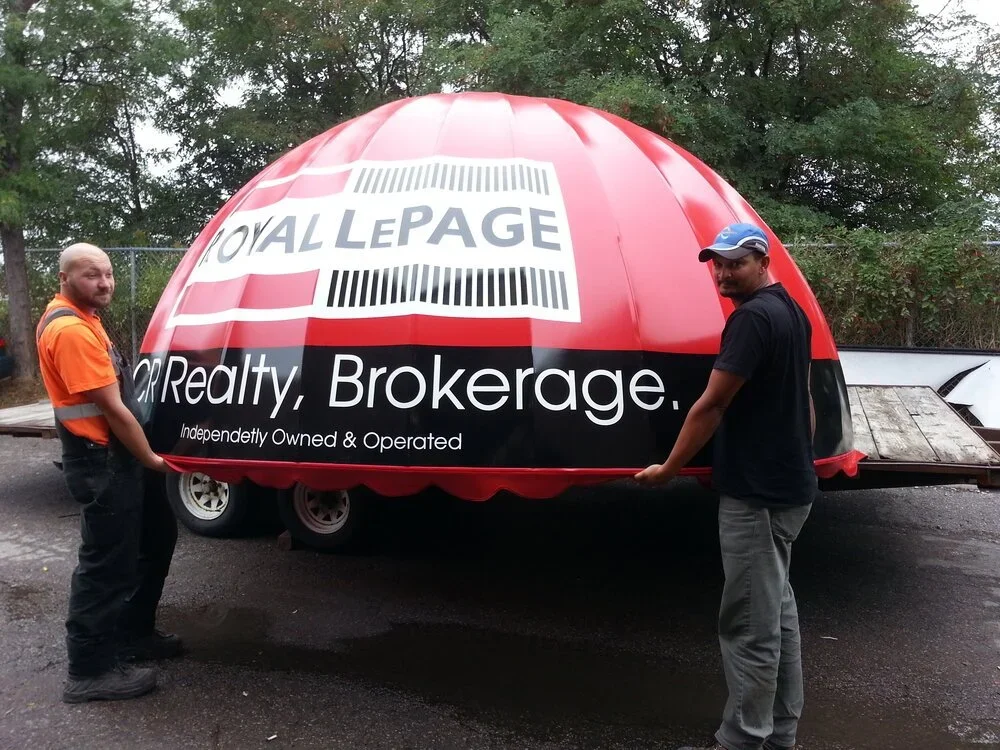
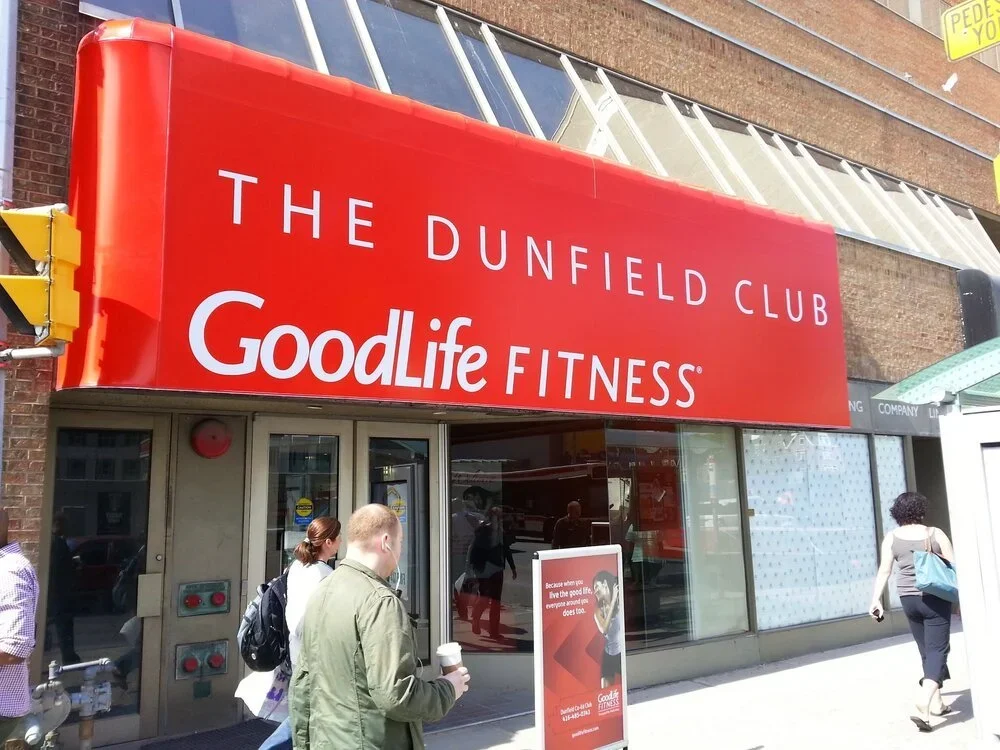
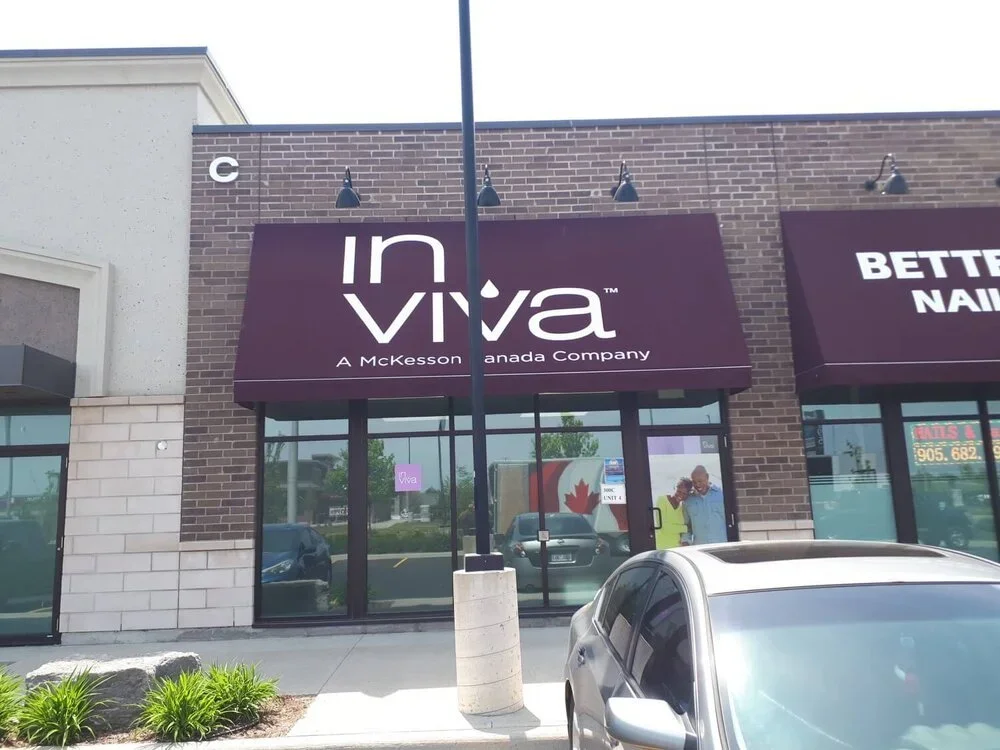

A high-quality awning does more than just shield an entrance; it defines the brand's physical presence. Here is how various businesses in the GTA utilize custom awning solutions to solve specific functional and aesthetic needs.
The Modern Corporate Profile: Inviva & Peoples
Application: Sleek, fixed-frame window awnings for retail and medical plazas.
The Strategy: These installations use a deep plum or classic black palette to create a sophisticated, high-end look that contrasts with light-colored masonry.
Impact: By covering expansive windows, these awnings reduce glare for customers inside while providing a uniform, professional look across multiple storefront units.
High-Traffic National Branding: GoodLife Fitness & Royal LePage
Application: Large-scale illuminated vinyl and specialized dome structures.
The Strategy: Using vibrant brand colours (like GoodLife Red) ensures the business is visible from several blocks away. The Royal LePage dome demonstrates our ability to create custom-engineered shapes that go beyond the standard wedge.
Impact: These awnings function as 24/7 billboards. The high-tension vinyl is specifically chosen for its ability to hold vivid colours without fading under the intense UV exposure found in large GTA parking lots.
Community & Utility Focus: Diabetes Canada
Application: Functional loading zone canopies.
The Strategy: A bright green, high-durability awning marks a specific functional area (the donation drop-off).
Impact: This uses business signage to improve customer experience by clearly directing traffic and providing shelter for people unloading items, ensuring the "Community Donation Centre" remains accessible in all weather.
The Boutique Entrée: The Craft
Application: Entryway door awning with integrated circular signage.
The Strategy: A compact, black fabric awning provides a "grand entrance" feel for a brick-and-mortar establishment.
Impact: This design creates a focal point for the entrance, separating it from the rest of the facade. It provides a classic, timeless aesthetic that pairs perfectly with reclaimed brick and urban architecture.
Why These Styles Work for Pickering and the GTA
Southern Ontario businesses face unique challenges—from the heavy snow accumulation in Pickering to the wind tunnels created by GTA high-rises.
Fixed Frames: All the examples above utilize rigid internal framing designed to shed snow and resist wind uplift.
Digital Precision: We use the same high-definition printing seen in the GoodLife and Inviva examples to ensure your logo is rendered with mathematical precision.
Scaleable Solutions: Whether you need a small entryway canopy for a local shop or a massive branded wrap for a national franchise, our engineering team scales the solution to the site's requirements.
5. Frequently Asked Questions (FAQs)
Do I need a permit for an awning sign in Pickering?
Most commercial awnings in the GTA require a sign permit if they feature branding or extend a certain distance over public property. We handle the application process to ensure your installation is fully compliant with local bylaws.
How do you handle the heavy Ontario snow loads?
Our stationary or fixed awnings are designed with a specific pitch (angle) and internal ribbing to shed snow naturally. For aluminum models, we use heavy-gauge extrusions that exceed the minimum Ontario Building Code requirements.
Can you match my specific brand colours?
Absolutely. We offer a wide range of standard fabric colours, but for specific branding, we utilize full-surface digital printing on vinyl or specialized fabric dyes to ensure a perfect match to your corporate identity.
Proudly Serving Pickering, Ajax, Whitby, and the Greater Toronto Area.
Transform Your Storefront with the GTA’s Awning Experts
Don’t let your business blend into the background.
From the shores of Pickering to the high-traffic corridors of Toronto, we provide the weather-resistant, branded solutions your business deserves.
Ready to boost your curb appeal?
“We reached out to Adrian and Rhonda for signage for our new clinic, and they were amazing. We sent over our design and swiftly received a quote and mock-up. They provided excellent customer service and clear communication, high quality work including installation, with a fast turn around time. All during the Holiday season I might add! We will be reaching out to them for all our signage needs and have already recommended them to friends. 5 stars!”
Trade Show Display Booth Signage: Stand Out at Every Event In and Around Toronto
When you step onto a crowded expo floor at one of many venues around Toronto, you have roughly three seconds to capture a passerby's attention. In a sea of competitors, your trade show display booth signage is your primary tool for making a lasting impression.
High-quality visuals do more than just look professional; they communicate your brand’s authority and draw people into your space.
Don't blend into the background at your next big event. Let the experts at AGC Signs help you create a professional, cohesive look that turns heads and starts conversations.
Key Takeaways
Speed is Essential: You have seconds to capture attention; bold, high-resolution exhibit graphics are a requirement, not an option.
Function Meets Form: Prioritize portable trade show signs that are lightweight, durable, and easy to assemble to reduce event-day stress.
Material Matters: Choose between sleek tension fabric for a modern look, durable vinyl for longevity, or modular panels for scalability.
Strategic Placement: Keep your branding and primary message at eye level to ensure visibility even in high-traffic crowds.
Professional Finish: Partnering with experts like AGC Signs ensures fast turnaround and high-quality design tailored to your specific marketing goals.
1. The Importance of Impactful Trade Show & Event Display Signs
In the high-energy environment of a convention center, your booth is your most valuable piece of real estate.
Effective trade show signage serves as a silent salesperson, conveying your value proposition and brand personality at a glance. Without clear, professional graphics, even the most innovative products can be overlooked.
High-impact signage anchors your space, provides a professional backdrop for networking, and ensures that your brand remains memorable long after the attendees have headed home.
2. Designing for Portability and Customization
The best displays strike a perfect balance between aesthetic appeal and functional logistics. For businesses on the move, the ability to pack up and go is just as important as the design itself. Your displays should be:
Highly Customizable
Every event has a different goal. Your signage should be easily tailored to specific campaigns, featuring high-resolution imagery and clear, bold messaging that speaks directly to your target audience.
Portable and Lightweight
Logistics shouldn't be a headache. Portable trade show signs should be easy to transport in a standard vehicle and light enough for a small team—or even a single person—to assemble and maneuver without specialized tools.
Durable and Long-Lasting
Trade shows are demanding. Professional-grade materials ensure your investment stands up to the rigors of travel, frequent handling, and the inevitable wear and tear of a busy event floor.
3. Premium Materials and Setup Options
Choosing the right material is essential for matching your brand's aesthetic and meeting your functional needs.
Tension Fabric Displays: These represent the gold standard for modern trade show booths. The high-quality fabric stretches over a sturdy aluminum frame to create a seamless, wrinkle-free, and vibrant surface. They are incredibly easy to clean and provide a "non-glare" finish that is perfect for event photography and social media sharing.
Vinyl Banners and Wraps: A classic choice known for its exceptional durability and deep color saturation. High-quality vinyl is tear-resistant and stands up well to various lighting conditions. It’s an ideal choice for retractable banner stands or large-scale backdrops that need to be wiped down easily.
Modular Panels: If you frequently move between different booth sizes (such as a 10x10 one week and a 20x20 the next), modular systems are the answer. These allow for versatile exhibit graphics that can be reconfigured or expanded, giving you a scalable solution that grows with your business.
4. Frequently Asked Questions: Trade Show & Event Signage
Q. How long does it typically take to set up a trade show display?
Setup times vary depending on the complexity of your booth. Portable banner stands and pop-up fabric displays can usually be assembled by one person in 5 to 10 minutes. Larger modular panel systems or custom backlit displays may take 30 to 60 minutes and might require basic tools or a small team.
Q. Can I customize the size and shape of my exhibit graphics?
Absolutely. While we offer standard sizes for pull-up banners and table throws, we specialize in fully customized modular panels and die-cut vinyl graphics tailored to your specific booth dimensions. Whether you need a curved fabric backdrop or unique hanging signs, our design team ensures a perfect fit.
Q. What materials are best for high-traffic conventions?
For durability and a premium look, we recommend tension fabric or heavy-duty vinyl. Fabric is excellent for reducing glare from bright overhead convention lights and is wrinkle-resistant for travel. Vinyl is highly durable and easy to clean, making it ideal for floor graphics or outdoor events.
Q. Do you offer shipping or local pickup for event signs?
We provide flexible options to meet your deadlines. You can arrange for local pickup at our shop to save on costs, or we can coordinate shipping directly to your office or the event venue. We recommend finalizing your design at least 2–3 weeks before your event to allow for production and transit time.
Q. Can I update the graphics on my existing hardware?
In many cases, yes. If you have high-quality hardware like a retractable banner stand or a modular frame, we can often print replacement graphics to refresh your branding without the cost of purchasing an entirely new system.
5. Custom Solutions Tailored to Your Brand Goals
At AGC Signs, we understand that no two events are the same. Whether you are a local startup heading to your first community expo or an established company prepping for a major international convention, we provide the specific expertise needed to make your booth a success.
Our team doesn't just print signs; we partner with you to determine the most effective materials and layouts for your specific space. We take the guesswork out of the process by helping you navigate:
Space Optimization: Choosing between wide-format backdrops or vertical banner stands based on your booth dimensions.
Material Selection: Recommending glare-resistant fabrics for indoor photography or rugged vinyl for high-traffic outdoor marketing events.
Brand Consistency: Utilizing precision color-matching technology to ensure your logos and graphics look identical across every piece of signage.
Rapid Deployment: Prioritizing fast turnaround times so you are never left waiting as your event date approaches.
From the initial design consultation to the final product, we focus on durability, portability, and ease of use, ensuring you can focus on your leads while we handle the visuals.

Maximize Your Impact at Every Event
Your booth is your brand’s first impression. Don't leave it to chance—ensure you stand out with professional, high-impact displays designed to draw a crowd and withstand the rigors of the road.
From portable banners to custom modular installations, our team is ready to bring your vision to life with fast turnaround times and expert precision.
“AGC has produced various signs, plaques, and banners for my company, and I am happy to remain a loyal customer as all of their work has been fantastic. They are a kind and hard-working team!”
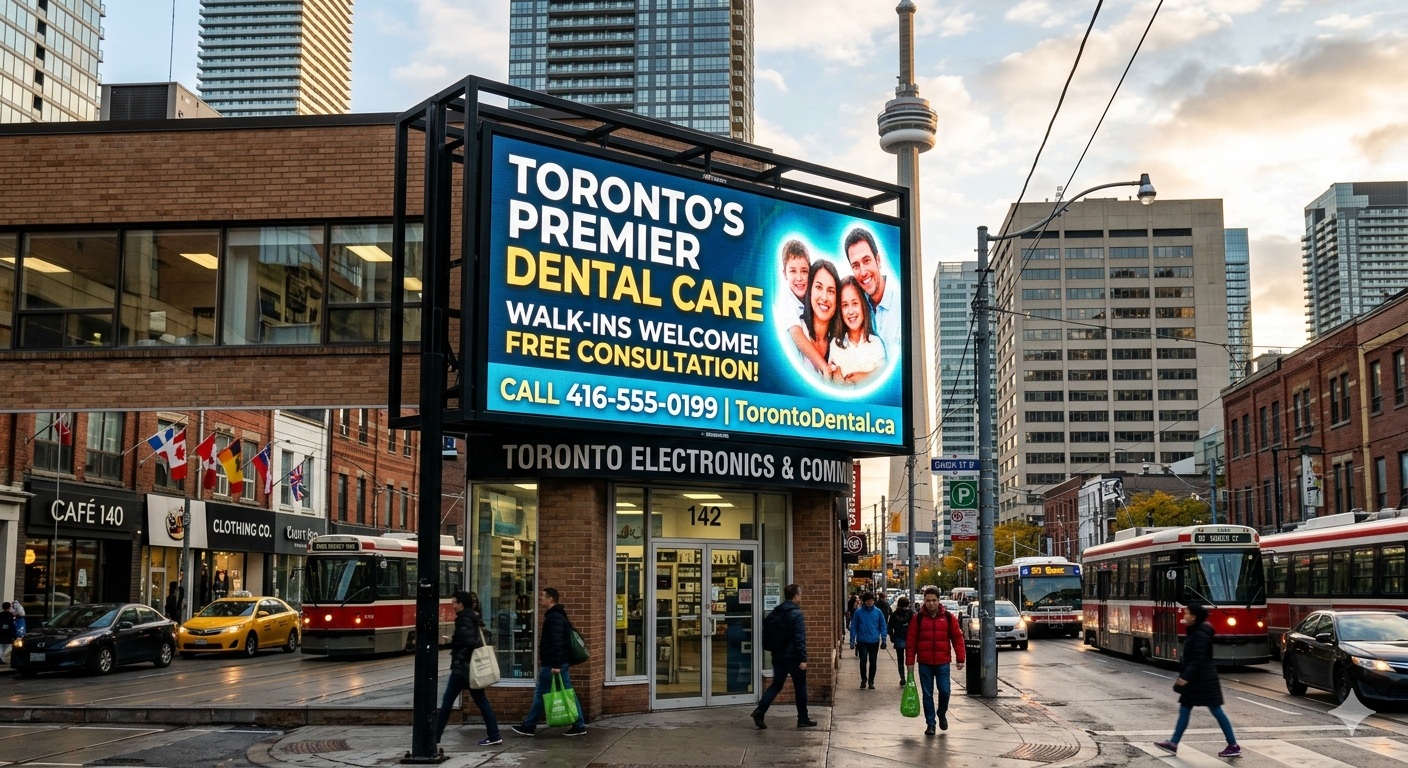
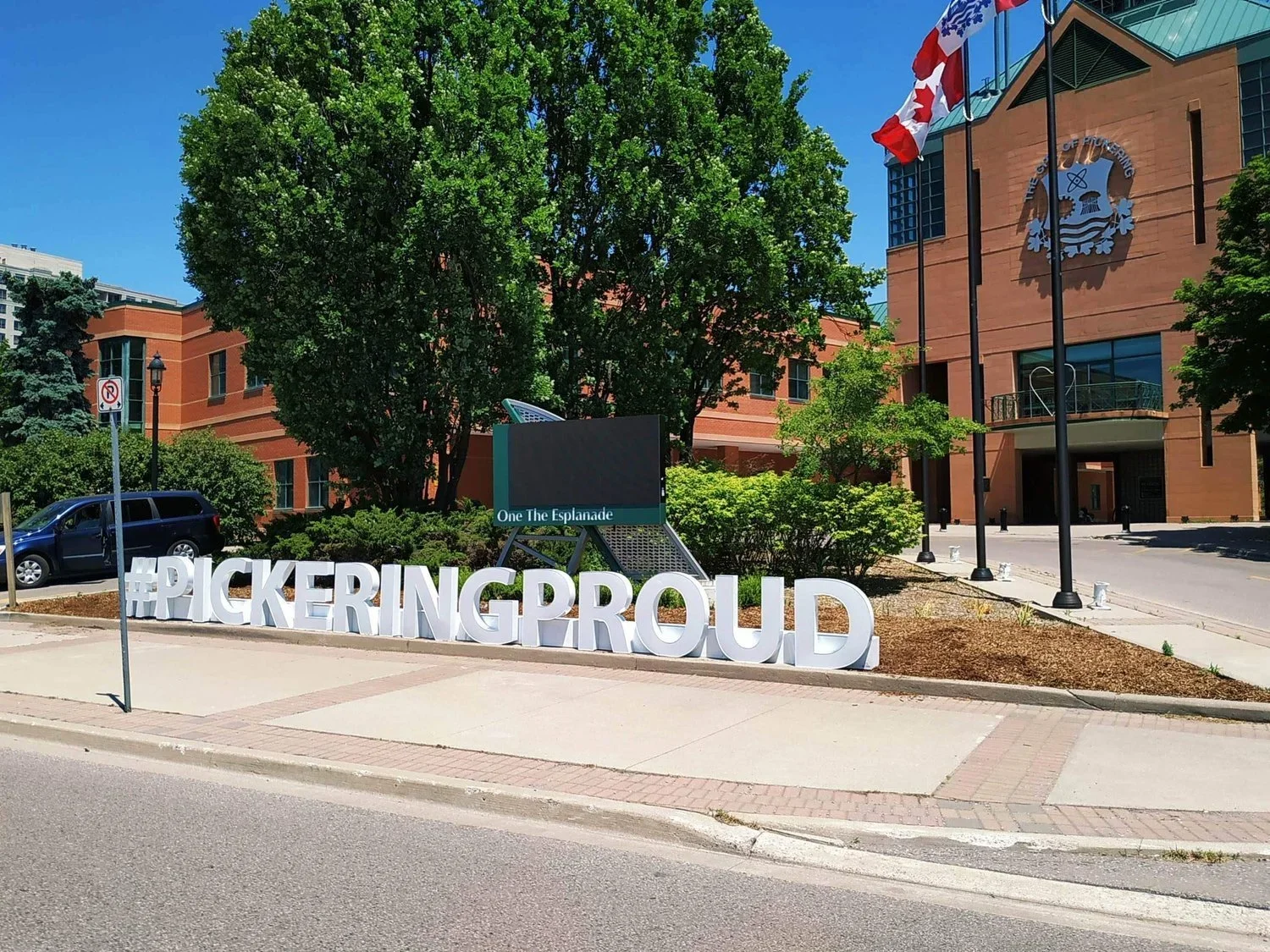
Simple But Effective Sign Design Ideas for Any Industry
The first impression of a business isn’t made at the cash register or in a boardroom; it happens at the curb. Your signage is a 24/7 brand ambassador, yet many businesses fall into the trap of visual clutter, trying to say too much, too small, and in too many colours.
To convert a passerby into a customer, your sign delivers a message in the blink of an eye. Here is how to refine your signage strategy into a high-impact asset.
AGC Signs can help with everything from sign design ideas to installation. Contact us today to get started with your project.
Key Takeaways
Visibility First: Use high-contrast colour pairings to ensure the sign is readable in all lighting.
Prioritize Clarity: Stick to clean, bold Sans-Serif fonts and avoid script or decorative styles.
Embrace the Void: Use ample white space to prevent clutter and guide the eye.
Calculate Scale: Size your letters based on how far away your audience will be.
Simplify the Message: Aim for a 3-second comprehension time.
1. Mastering Visual Contrast
Contrast is the engine of legibility. Without it, even the most beautiful logo remains invisible. When choosing colours, you aren't just looking for "pretty" combinations; you are looking for luminance difference.
The 70% Rule
Aim for at least a 70% brightness difference between your background and your text.
Beyond Black and White
While black-on-white is the gold standard, other high-impact pairings include navy on white, white on forest green, or black on yellow (the highest-visibility combo for moving traffic).
Avoid "Vibration"
Never pair colours with similar saturation, such as red text on a blue background. These colours "fight" for the eye’s attention, creating a blurry, vibrating effect that causes eye strain and reduces reading speed.
2. Typography for Speed and Distance
On a sign, a font’s job is to be invisible—meaning the reader should process the word without having to decode the letter.
San-Serif Dominance
For outdoor signage, Sans-Serif fonts (like Montserrat or Helvetica) are superior because they lack the small decorative "feet" (serifs) that can blur together at a distance or under low light.
Kerning and Tracking
Ensure your letters aren't touching. "Tight" letter spacing might look modern on a business card, but from 50 feet away, a "cl" can easily look like a "d."
Case Sensitivity
Use Title Case (Upper and Lower Case) for long names. Research shows the human brain recognizes the unique shapes of lowercase letters faster than a block of ALL CAPS, which the eye perceives as a simple rectangle.
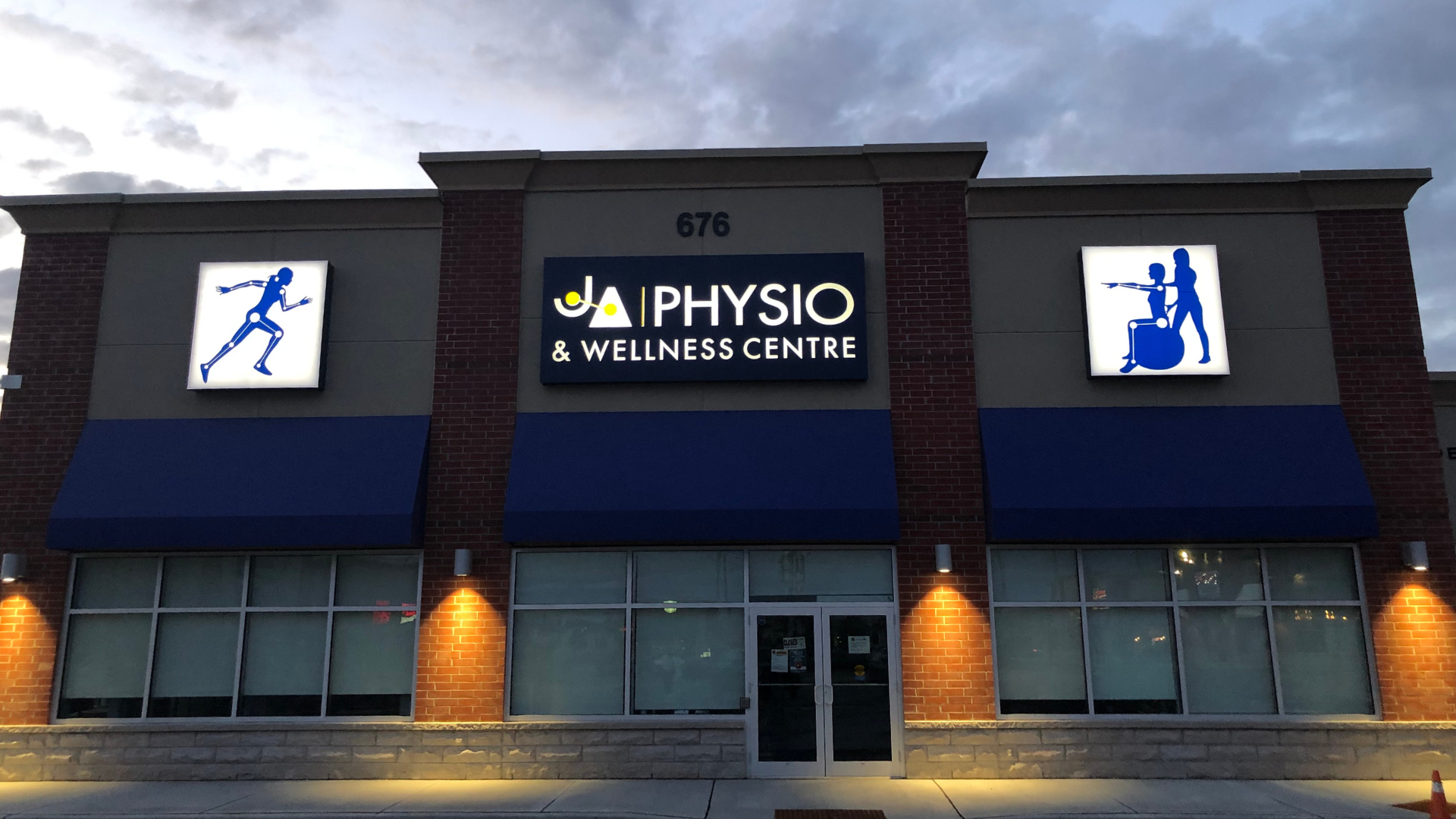
3. The Architecture of Negative Space
The biggest enemy of a good sign is the "everything but the kitchen sink" approach. If you try to highlight everything, you highlight nothing.
The 40% Rule
At least 40% of your sign's surface area should be "white space" (empty space). This isn't wasted room; it is a visual funnel that forces the viewer's eye toward your primary message.
Edit Ruthlessly
If your sign has your name, your logo, your phone number, your website, your slogan, and a list of five services—it’s a brochure, not a sign. Pick the one thing you want them to remember.
One Secondary Element
If you must include more than your name, limit it to one secondary element, like a phone number or a "Call to Action" (e.g., "Park in Rear").
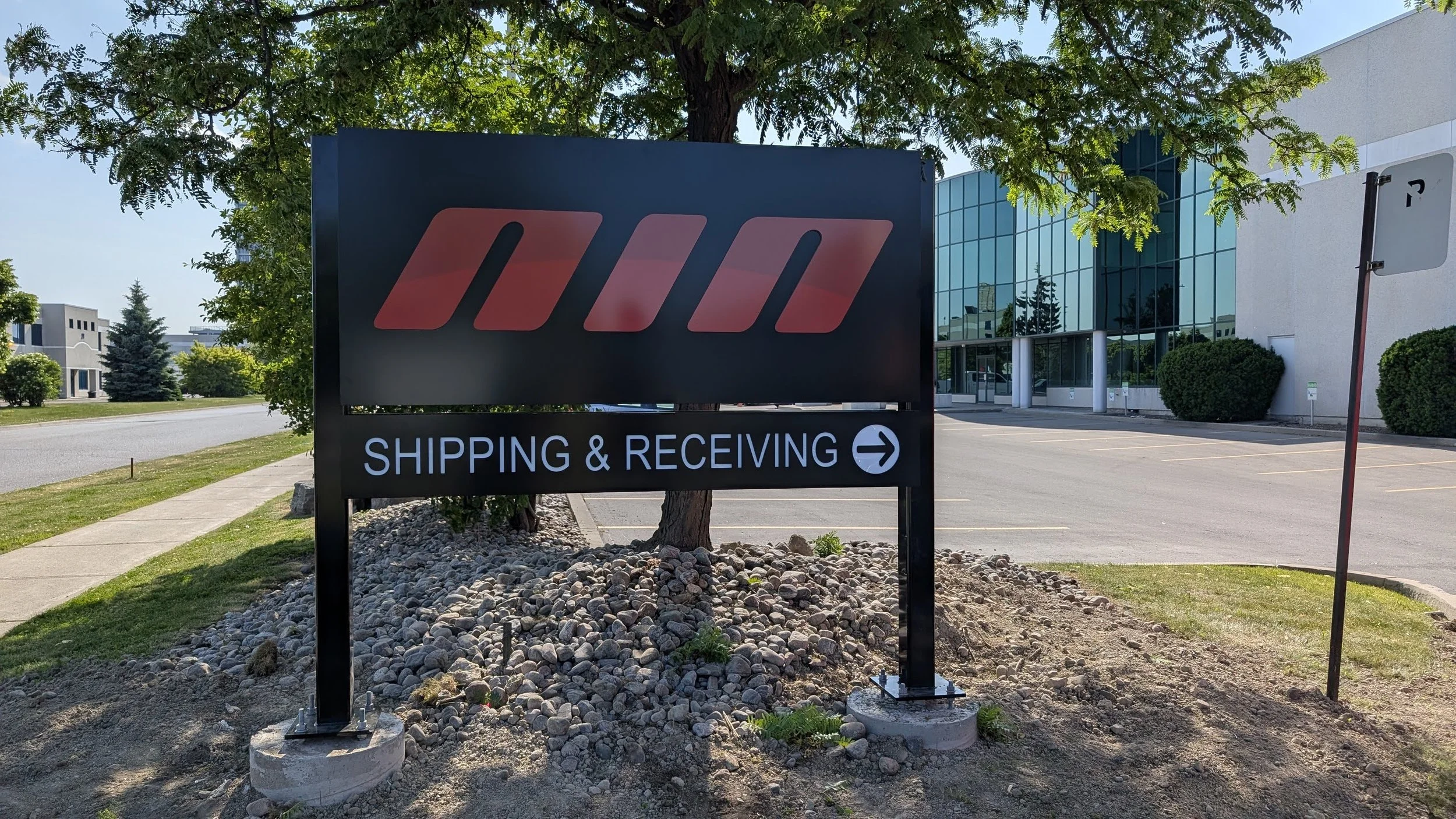
4. Scaling for the Human Eye
Size is a functional requirement, not a design preference. You must design based on the Viewer’s Velocity.
Pedestrian vs. Driver
A pedestrian walking at 3 mph has time to read a smaller sign. A driver moving at 40 mph needs letters that are massive and a message that is minimal.
The Height Formula
Every 1 inch of letter height provides roughly 10 feet of readable distance. For a sign meant to be read from a car 100 feet away, your letters need to be at least 10 inches tall.
Check our Sign Letter Height Calculator for guidance.
Resolution and Assets
Ensure your logo is a vector file (.svg or .eps). Scaling up a small .jpg will result in pixelation (jagged edges), which subconsciously signals a lack of professionalism to potential customers.
5. Industry-Specific Quick Fixes
While the core principles of design remain constant, the specific challenges of a storefront or service vehicle vary by sector; here is how different industries can apply high-impact changes with minimal effort
| Industry | The Problem | The Simple Fix |
|---|---|---|
| Retail/Boutique | Visual "noise" from too many window stickers and decals. | Remove 80% of window decals; use one high-contrast A-frame sign with 3 words max. |
| Trade Services | Complex logos that get lost on truck wraps or site signs. | Simplify the logo to a bold icon and ensure the phone number is the highest-contrast element. |
| Healthcare | Overly clinical, "cold" or hard-to-read signage. | Use softer, high-contrast blues or greens with rounded Sans-Serif fonts to appear approachable. |
| Manufacturing | Small, hard-to-find entrance signs for vendors and staff. | Use "Wayfinding" colors (Safety Yellow or Bright Blue) to clearly guide visitors to the main door. |
THE AGC DIFFERENCE:
FROM SIGN DESIGN IDEAS TO INSTALLATION
Ready to transform your brand’s first impression from a whisper to a shout? Audit your current signage today. Walk across the street or drive past your location at normal speed - if you can’t digest your message in under three seconds, it’s time for a refresh.
Don't let poor design be the barrier between you and your next customer. Start by simplifying your most visible sign using the high-contrast and minimal-wording techniques outlined above, and watch how much more effectively you capture the attention of everyone passing by.
“Adrian and AGC Signs team have been great to deal with and we are very happy with our sign! The whole process was very quick and our sign was designed and lit up in a very short time frame. If you’re looking for a quick, professional solution for your sign AGC Signs is the way to go!”


