Sign Installation

Stand Out in 3D: Why Dimensional Signage Dominated 2025 Design Trends

In 2025, the most successful brands realized that to truly capture a customer’s attention, they had to step out of the background—literally. This year, the design world shifted from "flat and functional" to "bold and tactile," making Dimensional Signage the undisputed heavyweight champion of visual branding.

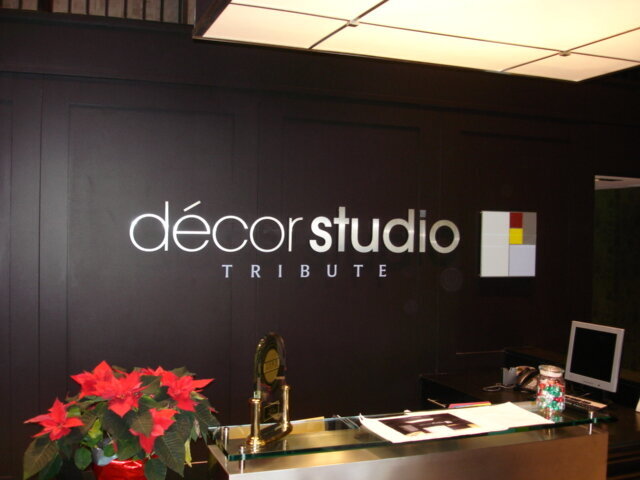
By adding depth, texture, and sophisticated lighting, businesses are no longer just displaying their names; they are creating architectural landmarks. Whether it’s a high-polish metal logo in a corporate lobby or vibrant acrylic letters illuminating a storefront, 3D design is how the modern business proves it has substance.

  1. What Exactly Is Dimensional Signage?

  2. Why 2025 Fell in Love with 3D: The Popularity Surge

  3. Crafting Depth and Impact: Materials That Matter

  4. Illuminating the Experience: Lighting Techniques That Pop

  5. Beyond the Logo: Innovative Uses of 3D Signage

Contact us today to start planning your new interactive sign project.

 
Dimensional Signage
 

Key Takeaways

  • Dimensional signage (3D letters, logos, and graphics) was the dominant design trend of 2025, moving businesses away from flat, two-dimensional visuals.

  • Its popularity stemmed from a growing desire for tactile experiences, its ability to create unforgettable first impressions, and its effectiveness in conveying premium brand identity.

  • Common materials include acrylic (modern, customizable), metal (durable, sophisticated), and PVC (lightweight, cost-effective).

  • Lighting techniques like front-lit, back-lit (halo-lit), and edge-lit are crucial for making 3D signs truly "pop," especially at night.

  • Custom business signs 2025 saw 3D applications extend beyond main exterior logos to interior branding, wayfinding, and temporary displays.

1. What Exactly Is Dimensional Signage?

Imagine walking down a bustling street, a sea of flat signs blurring into one monotonous backdrop.

Now, picture a sign that literally jumps out at you, casting subtle shadows, catching the light from every angle, demanding a second glance.

That's the power of 3D signage. It's not just a logo; it's a statement. It's not just text; it's an experience.

At its core, dimensional signage refers to signs that have depth and thickness, rather than being a flat graphic printed on a surface.

Think of letters, logos, or even custom shapes that are cut out and raised from their backing, creating a three-dimensional effect.

These can be individual dimensional letters mounted directly to a wall or fascia, or complex layered designs that combine various elements for an even greater visual punch.

2. Why 2025 Fell in Love with 3D: The Popularity Surge

Why the sudden explosion in popularity for custom business signs that emphasize dimension? It's a confluence of factors, all pointing to a collective desire for authenticity and impact in an increasingly crowded visual landscape.

Beyond the Screen: The Desire for Tactility

After years of digital overload, there's a subconscious yearning for things that are real and tangible. Dimensional signs deliver on this, offering a tactile experience that flat graphics simply can't.

Unforgettable First Impressions

In business, you only get one chance to make a first impression. A premium, well-designed 3D sign instantly communicates professionalism and quality. It elevates a brand from "just another business" to a memorable landmark.

Branding Brilliance in Every Angle

A 3D logo isn't static. As light shifts throughout the day, the sign changes, revealing new facets, shadows, and highlights. This makes the brand feel more alive and sophisticated.

3. Crafting Depth and Impact: Materials That Matter

The material choice for dimensional letters is crucial, influencing not only the aesthetic but also the durability and overall feel of the sign.

Sleek & Modern

Acrylic is the chameleon of dimensional signage. It's incredibly versatile, available in a vast array of colours and finishes. For a vibrant, contemporary look, especially when backlit, acrylic is a top contender.

Bold & Industrial

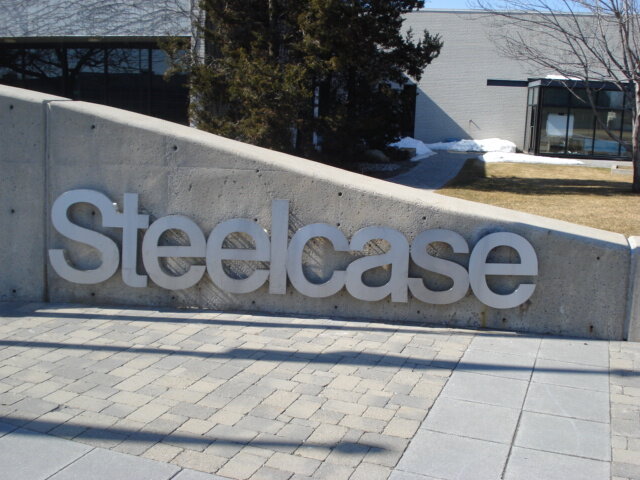
For an undeniably premium feel, metals like aluminum, stainless steel, and brass are unparalleled. They offer exceptional durability and a sophisticated finish.

Versatile & Vibrant

PVC offers an excellent balance of cost-effectiveness and durability. It’s easy to cut into intricate shapes and can be painted to match any brand colour, making it perfect for both indoor and outdoor applications.


4. Illuminating the Experience: Lighting Techniques That Pop

While the dimension itself is captivating, strategic lighting is what truly makes 3D signage sing, especially after dark.

Front-Lit: Classic Glow

This is the most common method, where the face of the letters is illuminated directly. It offers clear visibility and a strong, direct message.

Back-Lit (Halo-Lit): Ethereal Radiance

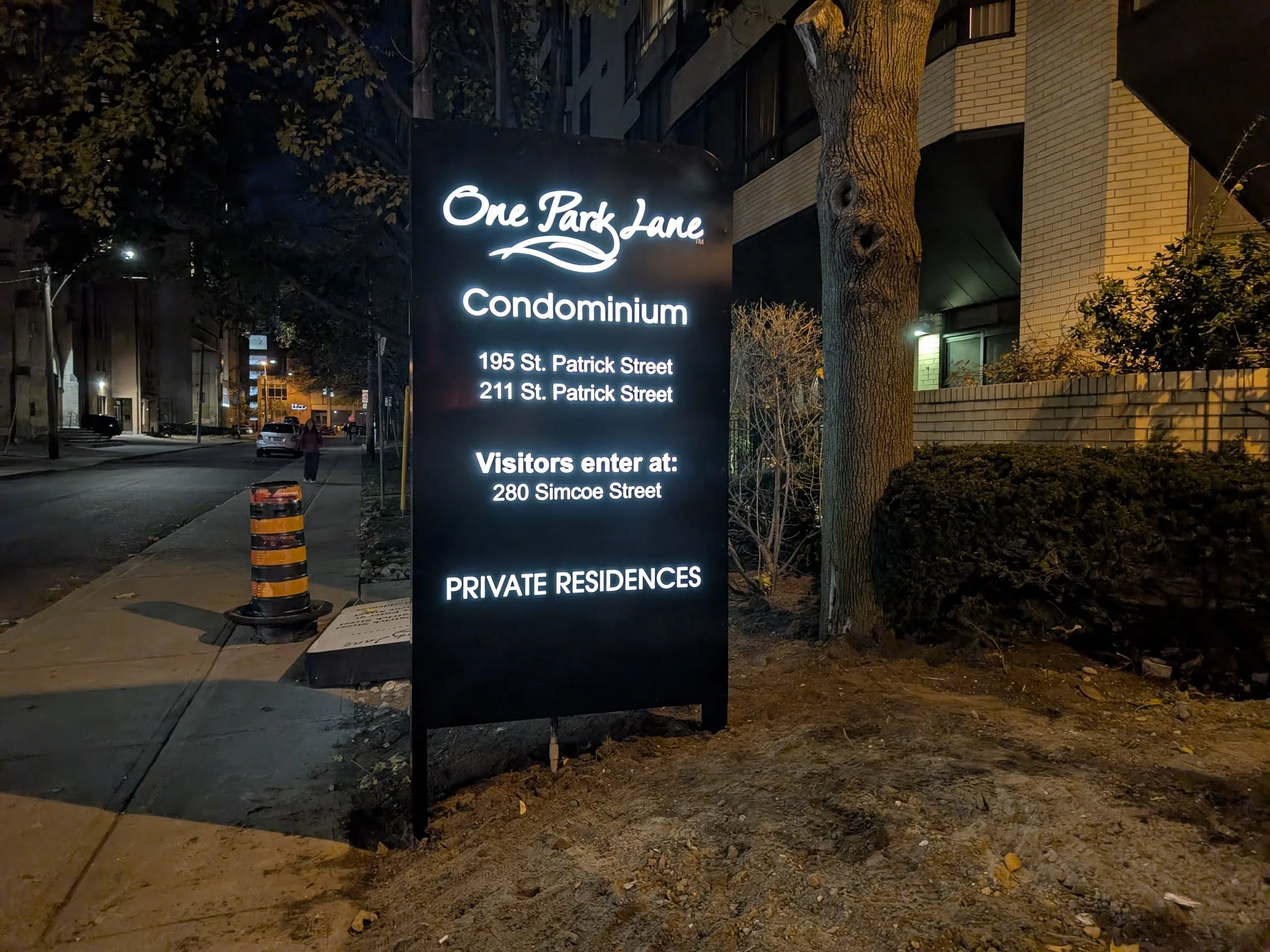
For a dramatic effect, back-lit signs illuminate the wall behind the letters, creating a stunning "halo" of light. This adds a sense of depth and elegance.


5. Beyond the Logo: Innovative Uses of 3D Signage

In 2025, the "3D revolution" moved far beyond the front door. Businesses started using depth as a functional design language throughout their entire space.

Sculptural Wayfinding

Why use a flat arrow when you can have a dimensional one? High-end offices and hospitals now use "floating" 3D directional signs that appear to hang in mid-air, making navigation feel intuitive and premium.

Dynamic Window Displays

Retailers are using 3D elements to bridge the gap between their products and the street. By layering dimensional letters over glass, they create a "parallax" effect that changes as people walk by, practically pulling foot traffic into the store.

Interactive Branding Walls

2025 saw the rise of the "Instagrammable" lobby. Companies are installing oversized, textured 3D logos combined with moss walls or mirrors, turning a simple sign into a photo-op that drives organic social media reach.

Pop-Up & Event Impact

Portable 3D signage is the new secret weapon for trade shows.

Lightweight PVC and snap-together metal frames allow businesses to bring a massive, high-end presence to temporary events without the logistical nightmare of heavy construction.


Your Business in 3D: Making the Leap

Ready to ditch the flat look and join the 2025 leaders? Moving to dimensional signage is an investment in your brand’s "physical SEO"—making it easier for the world to find, remember, and trust you.

We’ll give you a fast, no-obligation quote, and in many instances, we’ll do your quote on-site.

AGC Signs has been reliably serving businesses in the Durham region for over 10 years. As a full-service sign company, we can manufacture, install, and service any type of signage you require. 

All of our technicians are highly skilled and extremely hard-working, and we use only top-of-the-line equipment.

You can trust us to do the job right; we do all the work ourselves and never subcontract it out.

Don't wait to start your next great project! Contact AGC Signs today.

 
Contact Us
 
We had a great experience working with Adrian from AGC Signs! From design plan to installation, their team was professional, responsive, and wonderful to work with. The final product exceeded our expectations—we’re so happy with the results. Highly recommend them for any signage needs!
— Izabelle's Kitchen
 
read more reviews

Modern Sign Design Trends: How Simplicity Won in 2025

Minimalism is not merely a design trend—it is a powerful, strategic statement. In a world of increasing visual noise, the 2025 signage landscape has definitively crowned simplicity as the ultimate form of sophistication, visibility, and brand confidence.

Cluttered, over-designed signs are fading into obsolescence, unable to compete with the sheer communicative power of clean lines, intentional negative space, and refined typography. This is how the "less is more" philosophy has not only permeated but dominated the modern sign design conversation.

  1. The Minimalist Manifesto: Design as Strategic Restraint

  2. The Essential Elements of 2025 Minimalist Signage

  3. Case Studies in Simplicity: Brand Perception & Readability

Contact us today to start planning your new interactive sign project.

 
Learn more
 

Key Takeaways

  • Minimalism is Strategic: It's a deliberate choice to use visual restraint to convey premium quality and confidence.

  • Clarity = Visibility: Clean fonts and high-contrast colours ensure the core message is legible, even in high-traffic environments.

  • Negative Space is Not Empty: The intentional use of open space is a sophisticated design element that enhances focus and reduces cognitive load.

  • Function Follows Form: The aesthetic appeal of minimalist signage directly translates into superior readability and stronger, more positive brand perception.

1. The Minimalist Manifesto: Design as Strategic Restraint

The assertion that the modern consumer is "hyper-aware" is rooted in the psychological phenomenon of cognitive overload.

Every hour, consumers are bombarded with advertising, digital notifications, and visual stimuli—a sensory environment where most information is instantly filtered out as noise.

Modern sign design in 2025 is successful precisely because it understands this filtering mechanism. Instead of competing on volume (the "shouting" method), minimalist signage adopts a strategy of deliberate, welcome contrast.

Cognitive Load and Signal-to-Noise Ratio

In information theory, readability and visibility are measured by the signal-to-noise ratio.

  • Cluttered Signage (Low Signal-to-Noise): Excessive fonts, colours, graphics, and text create a high "noise" level. The consumer's brain must expend significant energy (high cognitive load) to separate the core message ("signal") from the surrounding distraction. This effort often leads to the sign being ignored entirely.

  • Minimalist Signage (High Signal-to-Noise): By implementing extreme restraint—using only one font, one core colour, and ample negative space—the "noise" is eliminated. The core message is presented instantly, requiring minimal cognitive effort. This "clear whisper" cuts through the surrounding visual chaos and registers immediately.

Strategic Restraint: Shifting Brand Perception

This strategic restraint is what transforms the design from a simple aesthetic choice into a powerful branding tool:

  1. Conveying Confidence: A business that uses a minimal sign appears self-assured. It implies that their product or service quality is high enough that they don't need excessive flash or persuasion. This immediately conveys premium quality and trustworthiness.

  2. Focus on Value: By allowing the core message (e.g., the brand name, the product category, the primary service) to "shine without distraction," the brand elevates the importance of that information. It implies focus and specialization, boosting the perception of sophistication.

  3. Enhanced Brand Recall: The simplicity makes the sign highly distinct and easy to memorize. In a sea of complicated logos and busy advertisements, the clean, memorable design embeds itself more quickly into the consumer's memory, translating directly to improved brand recall and a more professional image.

Essentially, simplicity in signage design is a direct acknowledgment of the consumer's limited attention span and a respectful use of their cognitive resources.

2. The Essential Elements of 2025 Minimalist Signage

The success of sign design trends 2025 is built on three core, intentional components:

Clean Typography: The Voice of Clarity

In minimalist design, the font does the heavy lifting. The trend favours geometric sans-serif typefaces—like a refined Helvetica or a bold, structured Gotham—which are inherently legible, even at speed.

  • Focus: Oversized, bold lettering used as a single focal point, ensuring the business name is readable from a distance.

  • Materiality: Fonts are often rendered as 3D-dimensional channel letters, matte-black painted aluminum, or sleek, backlit acrylic, adding depth without adding visual clutter.

Neutral Colour Palettes: The Foundation of Elegance

Clashing colours and gradients are out. Minimalist signs embrace high-contrast, limited palettes that ensure maximum readability and a timeless aesthetic.

  • Core Palettes: Monochrome (Black, White, and various shades of Grey), or a sophisticated pairing of two colours, such as matte black on white marble or brushed aluminum on a dark wood grain.

  • Accent Use: A single, strategic pop of colour, often an LED accent light or a subtle brand colour, is used only to direct the eye or highlight an icon, not to overwhelm.

Intentional Layouts: The Power of Negative Space

The proper use of "white space" (or negative space) is the defining characteristic of effective minimalist signage. This space is not empty; it is a design element that frames and emphasizes the message.

  • Enhancing Focus: Generous negative space surrounding the text reduces cognitive load, allowing the viewer's eye to process the message instantly.

  • Premium Feel: Ample open space signals confidence and quality—a distinct advantage for luxury brands, corporate offices, and high-end retail.

3. Case Studies in Simplicity: Brand Perception & Readability

Leading brands are actively shifting toward minimalist signage to cut through the visual noise and reinforce a message of modernity and efficiency.

Brand/Project Type Minimalist Strategy Brand Perception Impact Readability Improvement
Major Tech Retailers (e.g., Apple Stores) Simple, single-word logo in white or metal on a clean, glass facade. Sophistication & Exclusivity. Positions the brand as a leader focused on product, not flashy promotion. Instant Recognition. The high-contrast wordmark is unmistakable from great distances.
Boutique Coffee Shops (Local Projects) A single, hand-painted black or neon-flex wordmark, often on a natural wood or exposed brick wall. Authenticity & Craftsmanship. Evokes a sense of care and high-quality artisanal product. Clarity on Foot. Easy to read up close, drawing passersby in with an understated invitation.
Corporate Wayfinding Thin, high-contrast sans-serif on frosted acrylic or brushed aluminum directional plaques. Professionalism & Order. Reduces visitor anxiety by clearly guiding them without visual distractions. Efficiency. Message is processed instantly, which is critical for navigation in complex spaces.

The uncluttered, intentional aesthetic of modern sign design in 2025 improves the experience for the user and the bottom line for the brand. Simplicity is not just beautiful; it is highly functional, delivering a powerful message that resonates longer and clearer than its maximalist predecessors.


Time to Embrace Clarity

In the saturated visual market of 2025, your sign is more than an identifier—it is your most visible and potent branding asset. The data is definitive: simplicity is the new competitive edge. Clutter is costly, diminishing both readability and professional stature.

Ready to elevate your visibility and refine your brand image? Assess your current signage against the principles of 2025 minimalist design.

  • Audit: Are your fonts clean? Is your colour palette neutral and high-contrast?

  • Simplify: Identify and eliminate every element that does not serve the core message.

Take the first step toward visual mastery. Consult with a design specialist today to translate the power of minimalism into a striking, unforgettable sign for your business.

Don't wait to start your next great project! Contact AGC Signs today.

 
Contact Us
 
We had a great experience working with Adrian from AGC Signs! From design plan to installation, their team was professional, responsive, and wonderful to work with. The final product exceeded our expectations—we’re so happy with the results. Highly recommend them for any signage needs!
— Izabelle's Kitchen
 
read more reviews

Why Interactive Signs Are the Next Big Thing in Retail and Commercial Spaces

The era of the passive sign is over. In a marketplace increasingly driven by digital convenience, customers don't just want to be shown information—they want to interact with it.

This demand is propelling interactive signage, digital retail displays, and smart signs for business from a niche technology to the bedrock of modern customer engagement.

For any business looking to bridge the gap between the online and physical experience, this digital shift isn't an option—it's the new operating standard.

  1. The Technological Transformation: Beyond the Static Poster

  2. The Data Advantage: Engagement and Conversion Metrics

  3. The Future-Forward ROI: More Than Just Revenue

  4. Future Trends: The Next Frontier of Smart Signs

Contact us today to start planning your new interactive sign project.

 
Interactive Signs
 

Key Takeaways

  • Interactive Signage is Essential: Passive signs are outdated; customers now demand interaction, making interactive signage the new standard for physical retail and commercial engagement.

  • Core Technologies: Modern smart signs utilize touchscreens (for endless aisle and wayfinding), motion sensors (for real-time, context-aware content adjustment), and QR codes (for seamless mobile integration and purchase).

  • Measurable Performance: Interactive signs drive superior results, boasting up to 400% higher view rates and contributing to sales increases of up to 33% compared to static displays.

  • Strong ROI: Businesses typically see a positive ROI within 18 months by combining revenue lift with significant cost savings from eliminating print media.

  • The Future is Intelligent: Upcoming trends include AI-powered personalization, touchless interaction (gesture/voice control), and Augmented Reality (AR) integration, transforming the signs into true digital portals.

1. The Technological Transformation: Beyond the Static Poster

Interactive signage is a dynamic ecosystem of hardware and software designed to capture attention and deliver personalized content.

Touchscreen Kiosks

These are the new digital assistants. In retail, they allow shoppers to browse endless aisles, check inventory, compare product specs, and even purchase items not in stock. In commercial lobbies, they offer self-service check-in and interactive wayfinding maps that provide turn-by-turn directions.

Motion Sensors and Computer Vision

These are the "smart" eyes of the sign. They detect when a customer is present, analyze their demographics (age, gender), and track their dwell time. The sign then adjusts its content in real-time. For example, a display in a quick-service restaurant (QSR) can shift from coffee promotions to lunch specials as foot traffic enters.

QR-Integrated Signs

The simple QR code is making a powerful comeback. By scanning a code on a digital display, customers can instantly download a loyalty app, join a Wi-Fi network, view an extended product video on their phone, or access a limited-time coupon, seamlessly connecting the physical sign to the mobile web.

Nike, for instance, used QR codes in their store windows to allow passersby to instantly purchase items displayed on mannequins, linking the window to their e-commerce system.

2. The Data Advantage: Engagement and Conversion Metrics

The move to smart signs is driven by undeniable figures that prove their superiority over traditional print. Interactive signage isn't just about looking good; it's about measurable performance.

  • Capturing Attention: Digital displays have a view rate up to 400% higher than static displays. Movement, light, and real-time updates dominate the visual field, ensuring your message gets noticed.

  • Driving Foot Traffic: Approximately 80% of customers have entered a store specifically because a digital sign caught their interest.

  • Boosting Sales and Conversion: Retailers utilizing interactive display technology have reported sales increases of up to 33% compared to stores relying on traditional signage. Furthermore, when AI and customer data are layered into a system, content can deliver up to 2.8x higher conversion rates than static promotions by personalizing the offer in the moment.

Real-World Example: Fast-food giant McDonald's implemented self-ordering touchscreen kiosks, which not only improved the customer experience but also led to a significant sales lift, with some reports showing a 5-6% sales increase in the first year of adoption due to easier upselling and order customization.


3. The Future-Forward ROI: More Than Just Revenue

While increased sales are a key component of the Return on Investment (ROI) for interactive signage, the real value proposition is found in long-term efficiency and data collection.

Calculating the ROI

The ROI of digital signage can be broken down into tangible and intangible benefits:

Metric Impact of Interactive Signage
Increased Revenue Sales lift from dynamic content and impulse buys (e.g., 32% average sales increase for retailers).
Cost Reduction Elimination of ongoing printing, distribution, and installation costs associated with physical posters.
Operational Efficiency Self-service kiosks reduce staff workload. Real-time content updates minimize the risk of displaying outdated information.
Customer Experience Improved brand perception, shorter perceived wait times (e.g., a 36% reduction in perceived wait times in healthcare settings), and greater customer satisfaction.

The consensus is clear: many businesses see a positive ROI within 18 months of implementation, often due to significant sales boosts and cost savings from ditching print media.

4. Future Trends: The Next Frontier of Smart Signs

The evolution of digital retail displays is accelerating, driven by technologies that are even more contextual and immersive:

  1. AI-Powered Hyper-Personalization: Future signs won't just react to a person being there; they will analyze loyalty data and past purchases in milliseconds to display truly unique, one-to-one offers.

  2. Touchless Interaction: Driven by hygiene concerns, technology like gesture control, voice activation, and advanced motion sensors will allow customers to interact with large screens without ever touching the surface.

  3. Augmented Reality (AR) Integration: Displays will become portals. Shoppers will point their phones at a sign to trigger an AR experience—such as virtually trying on a pair of glasses or seeing a new piece of furniture placed in their own living room—all facilitated by a smart sign for business.

Interactive signage is no longer an expensive novelty; it is a strategic asset. By embracing touchscreens, motion sensors, and QR-integrated systems, businesses are not just upgrading their decor—they are investing in a future where the physical space is as connected, intelligent, and responsive as the best digital platforms.


Ready to Redefine Your Brand?

Are you ready to make a visual impact that is not only powerful but also smart and interactive? The future of engagement lies in the technologies we've explored.

Whether you need high-impact digital retail displays, intelligent smart signs for business powered by AI, or custom-built interactive installations, the AGC Signs team is ready to partner with you to transform your passive space into an engaging, high-performing environment.

Don't wait to start your next great project! Contact AGC Signs today.

 
Contact Us
 
We had a great experience working with Adrian from AGC Signs! From design plan to installation, their team was professional, responsive, and wonderful to work with. The final product exceeded our expectations—we’re so happy with the results. Highly recommend them for any signage needs!
— Izabelle's Kitchen
 
read more reviews