The era of the passive sign is over. In a marketplace increasingly driven by digital convenience, customers don't just want to be shown information—they want to interact with it.
This demand is propelling interactive signage, digital retail displays, and smart signs for business from a niche technology to the bedrock of modern customer engagement.
For any business looking to bridge the gap between the online and physical experience, this digital shift isn't an option—it's the new operating standard.
Contact us today to start planning your new interactive sign project.
Key Takeaways
Interactive Signage is Essential: Passive signs are outdated; customers now demand interaction, making interactive signage the new standard for physical retail and commercial engagement.
Core Technologies: Modern smart signs utilize touchscreens (for endless aisle and wayfinding), motion sensors (for real-time, context-aware content adjustment), and QR codes (for seamless mobile integration and purchase).
Measurable Performance: Interactive signs drive superior results, boasting up to 400% higher view rates and contributing to sales increases of up to 33% compared to static displays.
Strong ROI: Businesses typically see a positive ROI within 18 months by combining revenue lift with significant cost savings from eliminating print media.
The Future is Intelligent: Upcoming trends include AI-powered personalization, touchless interaction (gesture/voice control), and Augmented Reality (AR) integration, transforming the signs into true digital portals.
1. The Technological Transformation: Beyond the Static Poster
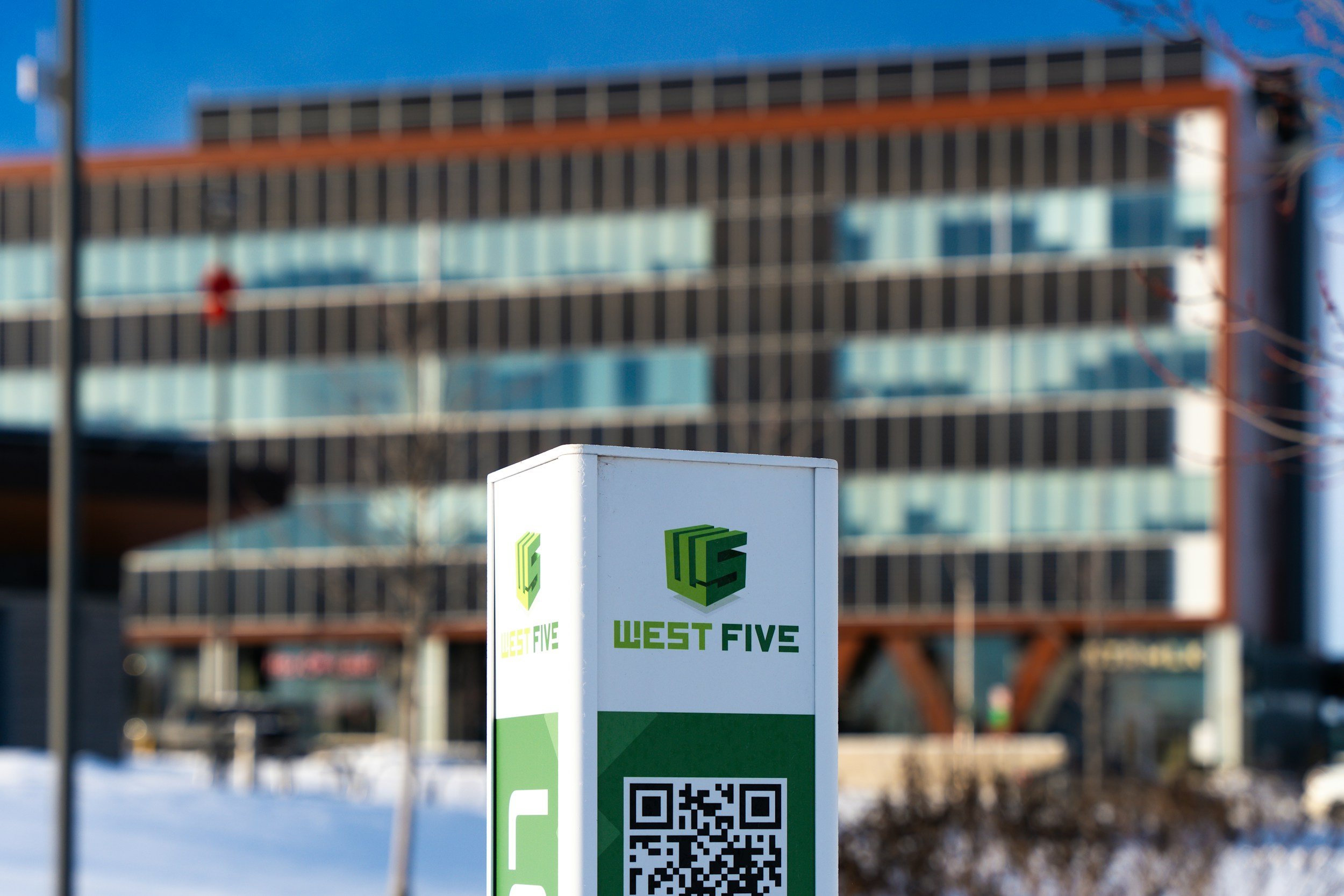
Interactive signage is a dynamic ecosystem of hardware and software designed to capture attention and deliver personalized content.
Touchscreen Kiosks
These are the new digital assistants. In retail, they allow shoppers to browse endless aisles, check inventory, compare product specs, and even purchase items not in stock. In commercial lobbies, they offer self-service check-in and interactive wayfinding maps that provide turn-by-turn directions.
Motion Sensors and Computer Vision
These are the "smart" eyes of the sign. They detect when a customer is present, analyze their demographics (age, gender), and track their dwell time. The sign then adjusts its content in real-time. For example, a display in a quick-service restaurant (QSR) can shift from coffee promotions to lunch specials as foot traffic enters.
QR-Integrated Signs
The simple QR code is making a powerful comeback. By scanning a code on a digital display, customers can instantly download a loyalty app, join a Wi-Fi network, view an extended product video on their phone, or access a limited-time coupon, seamlessly connecting the physical sign to the mobile web.
Nike, for instance, used QR codes in their store windows to allow passersby to instantly purchase items displayed on mannequins, linking the window to their e-commerce system.
2. The Data Advantage: Engagement and Conversion Metrics
The move to smart signs is driven by undeniable figures that prove their superiority over traditional print. Interactive signage isn't just about looking good; it's about measurable performance.
Capturing Attention: Digital displays have a view rate up to 400% higher than static displays. Movement, light, and real-time updates dominate the visual field, ensuring your message gets noticed.
Driving Foot Traffic: Approximately 80% of customers have entered a store specifically because a digital sign caught their interest.
Boosting Sales and Conversion: Retailers utilizing interactive display technology have reported sales increases of up to 33% compared to stores relying on traditional signage. Furthermore, when AI and customer data are layered into a system, content can deliver up to 2.8x higher conversion rates than static promotions by personalizing the offer in the moment.
Real-World Example: Fast-food giant McDonald's implemented self-ordering touchscreen kiosks, which not only improved the customer experience but also led to a significant sales lift, with some reports showing a 5-6% sales increase in the first year of adoption due to easier upselling and order customization.
3. The Future-Forward ROI: More Than Just Revenue
While increased sales are a key component of the Return on Investment (ROI) for interactive signage, the real value proposition is found in long-term efficiency and data collection.
Calculating the ROI
The ROI of digital signage can be broken down into tangible and intangible benefits:
| Metric | Impact of Interactive Signage |
|---|---|
| Increased Revenue | Sales lift from dynamic content and impulse buys (e.g., 32% average sales increase for retailers). |
| Cost Reduction | Elimination of ongoing printing, distribution, and installation costs associated with physical posters. |
| Operational Efficiency | Self-service kiosks reduce staff workload. Real-time content updates minimize the risk of displaying outdated information. |
| Customer Experience | Improved brand perception, shorter perceived wait times (e.g., a 36% reduction in perceived wait times in healthcare settings), and greater customer satisfaction. |
The consensus is clear: many businesses see a positive ROI within 18 months of implementation, often due to significant sales boosts and cost savings from ditching print media.
4. Future Trends: The Next Frontier of Smart Signs
The evolution of digital retail displays is accelerating, driven by technologies that are even more contextual and immersive:
AI-Powered Hyper-Personalization: Future signs won't just react to a person being there; they will analyze loyalty data and past purchases in milliseconds to display truly unique, one-to-one offers.
Touchless Interaction: Driven by hygiene concerns, technology like gesture control, voice activation, and advanced motion sensors will allow customers to interact with large screens without ever touching the surface.
Augmented Reality (AR) Integration: Displays will become portals. Shoppers will point their phones at a sign to trigger an AR experience—such as virtually trying on a pair of glasses or seeing a new piece of furniture placed in their own living room—all facilitated by a smart sign for business.
Interactive signage is no longer an expensive novelty; it is a strategic asset. By embracing touchscreens, motion sensors, and QR-integrated systems, businesses are not just upgrading their decor—they are investing in a future where the physical space is as connected, intelligent, and responsive as the best digital platforms.
Ready to Redefine Your Brand?
Are you ready to make a visual impact that is not only powerful but also smart and interactive? The future of engagement lies in the technologies we've explored.
Whether you need high-impact digital retail displays, intelligent smart signs for business powered by AI, or custom-built interactive installations, the AGC Signs team is ready to partner with you to transform your passive space into an engaging, high-performing environment.
Don't wait to start your next great project! Contact AGC Signs today.
“We had a great experience working with Adrian from AGC Signs! From design plan to installation, their team was professional, responsive, and wonderful to work with. The final product exceeded our expectations—we’re so happy with the results. Highly recommend them for any signage needs!”


