When you invest in high-quality signage, you’re investing in your brand’s first impression. However, a stunning sign is only as good as its installation. While the "DIY" spirit works for office decor, it can be a significant liability when applied to exterior or large-scale commercial signage.
Improperly installed signs aren’t just an eyesore; they are a physical and legal risk. Here is why professional installation is the only way to ensure your signage remains safe, legal, and durable.
Contact AGC Signs for the best installation of signage around the GTA.
Key Takeaways
Engineering Precision: Professional installation accounts for dynamic loads (wind, snow, and vibration) that DIY methods overlook.
Legal Safeguards: Certified installers navigate complex municipal permit requirements and carry specialized liability insurance.
Substrate Protection: Experts prevent structural damage to your building (water ingress, rot, and masonry cracking).
Lifecycle Extension: Proper material isolation prevents "galvanic corrosion," ensuring the sign lasts its full intended lifespan.
1. Structural Integrity: The Physics of Signage
Signage installation is an exercise in structural engineering where a sign acts as a physical sail. Professionals must calculate the "Effective Wind Area" to determine if a mounting surface can withstand 100-year storm events.
Weight Distribution: Large-scale signs require specific load-bearing calculations to ensure the façade doesn't buckle under vertical stress.
Dynamic Loading: Unlike interior décor, exterior signs face constant movement from wind and nearby traffic vibrations.
Fastener Fatigue: Using the wrong grade of bolt can lead to "shear failure," where the hardware snaps under sudden pressure.
Professional installation ensures that every anchor point is mathematically rated to support the sign’s weight against the maximum local wind pressures.
2. Regulatory Compliance and Risk Mitigation
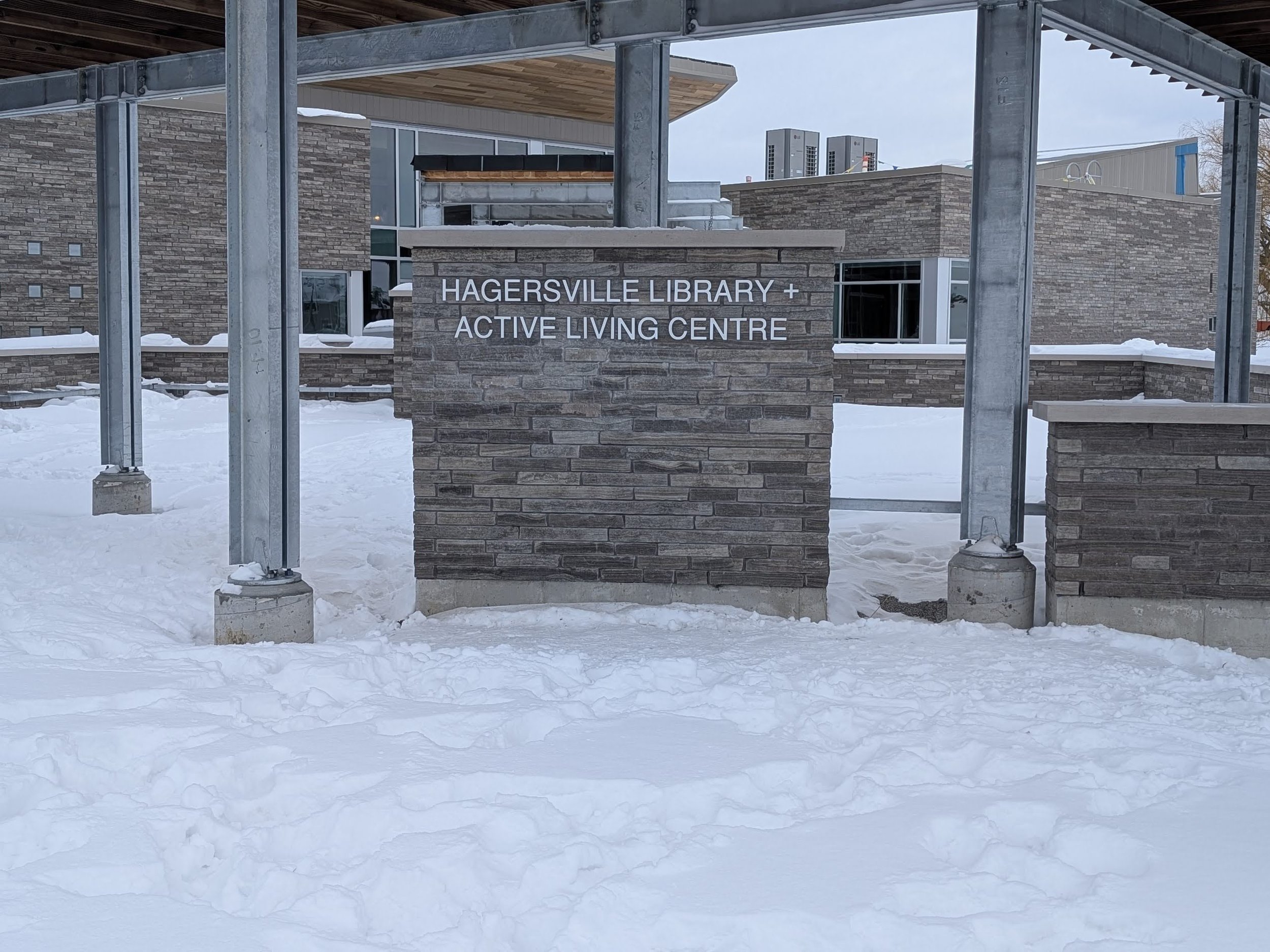
Navigating the intersection of local bylaws and national safety codes is a primary responsibility of a professional installer. If a sign is installed without the proper permits or violates height and overhang codes, the business owner faces stiff fines and forced removal.
Permit Procurement: Professionals handle the engineering stamps required by municipalities for signs over specific weight thresholds.
Insurance Coverage: Certified installers carry specialized liability insurance that protects the property owner during and after the installation process.
Electrical Safety: Illuminated signs must meet National Electrical Code (NEC) standards to prevent fire hazards and ensure proper grounding.
By adhering to strict legal and electrical codes, professional installers shield your business from the catastrophic financial consequences of non-compliance.
3. Environmental Engineering and Material Science
Nature is the primary cause of signage failure, requiring a deep understanding of how materials interact with the elements. Improperly sealed mounting holes allow water to seep behind the sign, leading to mold, rot, and electrical shorts.
Galvanic Corrosion: When dissimilar metals touch in a moist environment, they create a chemical reaction that dissolves the mounting hardware; pros use anodic isolation to stop this.
Thermal Expansion: Materials like acrylic and aluminum expand at different rates; professionals use "slotted" holes to allow the sign to breathe without warping.
UV Degradation: Proper installation ensures that structural adhesives and sealants are UV-rated to prevent drying and cracking over time.
Strategic material selection and weatherproofing techniques prevent premature degradation, saving you thousands in replacement costs over the sign's lifespan.
4. Advanced Mounting Technologies
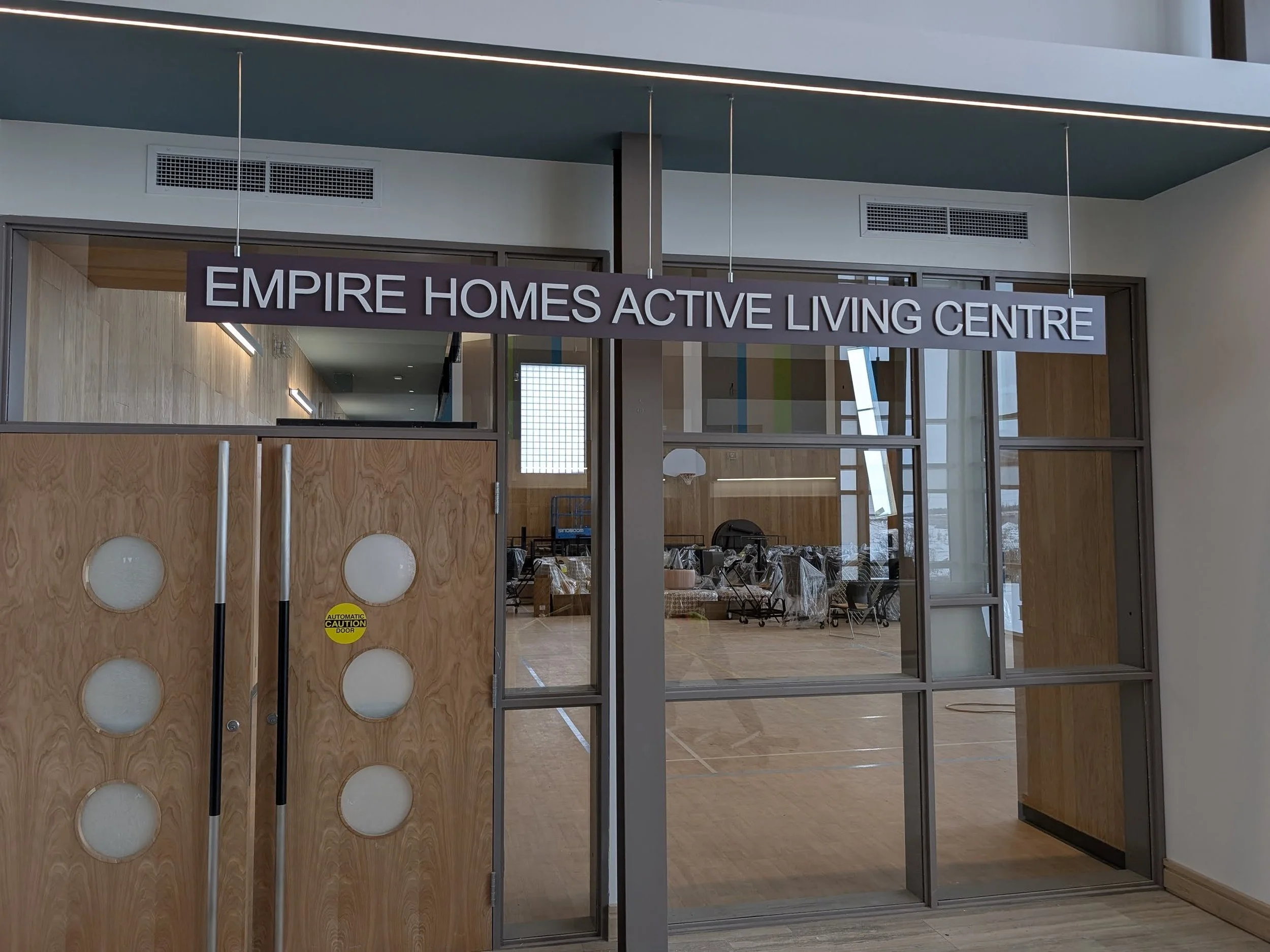
The following table outlines the specialized hardware used by professional teams to ensure a permanent, secure bond between the signage and the building substrate.
| Mounting Method | Technical Application | Professional Advantage |
|---|---|---|
| Through-Bolting | Hollow block or thin timber facades. | Uses an interior backing plate to distribute weight across the building's structural frame. |
| Chemical Anchoring | Aged, brittle, or porous masonry. | Injectable epoxy creates a bond stronger than the stone itself, providing an airtight seal. |
| Expansion Bolts | Solid, high-density poured concrete. | Utilizes mechanical friction; requires precise torque settings to avoid "spalling" or cracking. |
| Z-Clips / Cleats | Large-format interior panels. | Allows for hidden, flush mounting while distributing vertical shear stress evenly. |
Selecting the correct mechanical or chemical fastener is a critical decision that dictates the safety and stability of the entire sign assembly.
5. The Professional Standard: Inspections and Maintenance
Trustworthy installation involves more than just the initial mount; it requires a long-term commitment to the sign's integrity. Professionals perform "pull tests" on the substrate before beginning work to ensure it can hold the rated load.
Post-Installation Audit: Checking torque levels and sealant beads 24 hours after installation ensures materials have settled correctly.
Predictive Maintenance: Annual inspections can identify "stress fractures" or loose wiring before they become dangerous or expensive failures.
Cleaning and Polishing: Routine maintenance prevents the buildup of environmental pollutants that can pit metal and dull acrylic.
Our rigorous inspection protocols ensure that your signage remains as secure and vibrant on year ten as it was on day one.

Ready to Secure Your Brand?
Don't leave your company's safety, legal standing, or visual reputation to chance. At AGC Signs, we provide end-to-face signage solutions that go far beyond simple mounting.
Whether you are installing a high-rise illuminated channel letter set or a complex series of wayfinding monuments, our team brings the engineering precision and local expertise your project demands.
Partner with us to receive:
Comprehensive Site Surveys: We analyze your building's substrate and environmental exposure before we ever pull a permit.
Turnkey Permit Management: We handle the red tape, engineering stamps, and municipal approvals so you don't have to.
Certified Master Installers: Our crews are fully insured and trained in the latest safety protocols and heavy-lift equipment operation.
The Lifetime Guarantee: We stand behind the structural integrity of our work, ensuring your investment remains a permanent asset to your business.
Take the risk out of your next project. Let’s ensure your brand stands tall, stays secure, and makes the right impression for years to come.
“The team at AGC has been great and we have used them on three projects now. Top quality professional work. Highly recommended.”


